

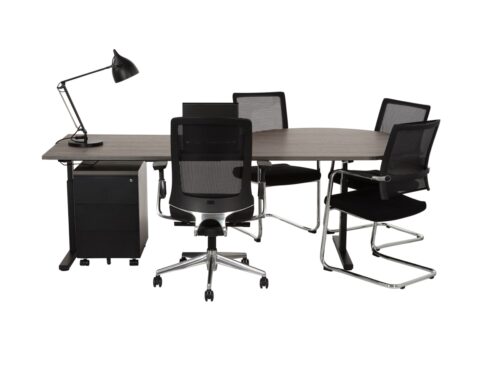
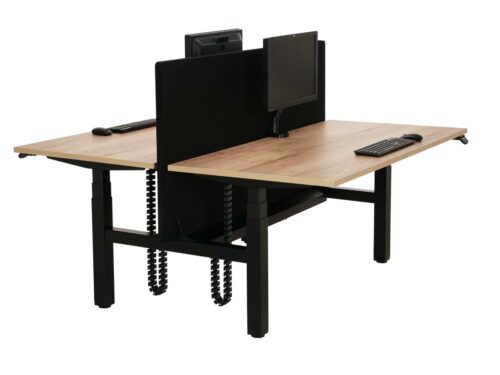
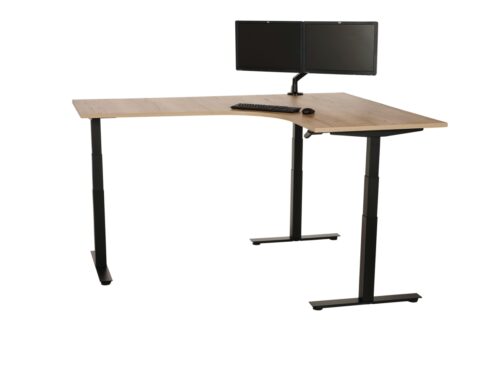
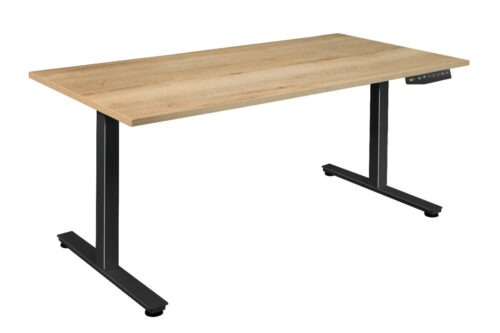
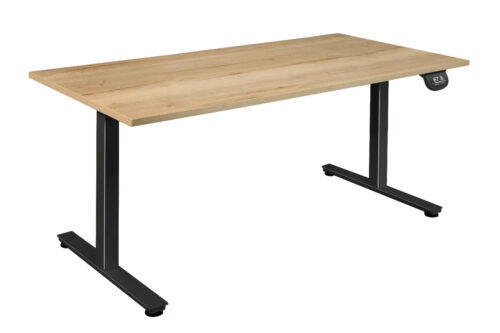
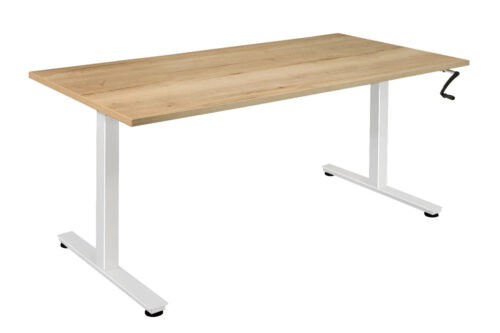
Desks with a dark gray oak work surface and the no-cable-tray option

This selection of desks with a dark gray oak work surface and the no-cable-tray option gives office planners a defined basis for comparing desk listings. For design teams, narrowing this filter combination creates a more focused review of access to power and the details that affect everyday activity. A considered selection should explain how the dark gray oak work-surface colour and the no-cable-tray configuration suit the task.

A specification for the filtered range is most useful when it answers a workplace question; link the dark gray oak work-surface colour and the no-cable-tray configuration to a task or planning constraint. A clear decision records what the dark gray oak work-surface colour means for users and how the no-cable-tray configuration fits the wider furniture scheme arrangement. Rather than applying one rule throughout the office, review the selected desk configuration in each planned zone and note any difference in how the space is used.

€11.05 p/m
€31.34 p/m
€29.50 p/m
€10.02 p/m
€15.35 p/m
€9.20 p/m

Considering shared and focused work

When comparing the filtered range for a private office, record what needs to stay consistent and what can vary; that helps later decisions stay aligned with the workplace brief. Keep the dark gray oak work-surface colour and the no-cable-tray configuration together in the desk requirements. A desk shortlist for a collaborative zone should explain why the no-cable-tray configuration matters, how the dark gray oak work-surface colour changes the desk details and what calls for a closer look around the relationship with nearby storage. In a project note, explain how the dark gray oak work-surface colour affects the office desk choice and how the no-cable-tray configuration relates to the route between work areas. To make the current workstation option useful in a project schedule, explain who needs the workstation, how the dark gray oak work-surface colour answers a requirement and where the no-cable-tray configuration matters.

Reviewing the desk setup specification

The desk requirements for a quiet office should explain how the dark gray oak work-surface colour and the no-cable-tray configuration relate to the balance of solo and collaborative tasks, then keep those points visible during product assessment. A useful question for design teams is how the dark gray oak work-surface colour changes the working position decision once the no-cable-tray configuration and the route between work areas are reviewed together. The combination should make sense in context. Relate the no-cable-tray configuration to the dark gray oak work-surface colour, then check whether the selected desk arrangement suits a furniture choice that reflects actual tasks. Before setting up collaborative planning in a team hub, weigh the dark gray oak work-surface colour against the no-cable-tray configuration; how a user approaches the workstation provides a useful check on the proposed desk setup.

Setting the workstation requirements

For teams planning collaborative planning, the dark gray oak work-surface colour may answer one requirement while the no-cable-tray configuration addresses another; the work area layout shows whether both belong in the project brief. For longer project sessions workstations, begin with movement through the space and the location of equipment; then confirm how the dark gray oak work-surface colour and the no-cable-tray configuration affect the project plan. When use changes from client conversations to longer project sessions, revisit the desk requirements and check whether the dark gray oak work-surface colour, the no-cable-tray configuration and how people enter and leave still match the space. For a busy team space project, keep the dark gray oak work-surface colour visible in the project brief and check whether the no-cable-tray configuration works with the surrounding furniture already in place.

Keeping the desk details useful over time

When the workplace team reviews the specified desk, use access to the working position as a practical test and note how the no-cable-tray configuration and the dark gray oak work-surface colour influence the wider furniture scheme decision. Before the office desk specification is added to the schedule, confirm the listed configuration and relate it to the dark gray oak work-surface colour, the planned furniture plan and room access. Record how the no-cable-tray configuration relates to the project brief. A furniture plan for quiet administrative work in a client-facing office should make the relationship between the dark gray oak work-surface colour and the no-cable-tray configuration clear, while leaving chair-to-desk clearance open for review. If the daily activity pattern changes, revisit the desk requirements and check whether the no-cable-tray configuration, the dark gray oak work-surface colour and the position of screens still match the planned room.

Frequently asked questions

What information should accompany a workstation specification?

The selected desks share the dark gray oak work-surface colour. Place this detail beside the cable-tray choice when planning quiet task areas. Before the selected desk specification is added to the schedule, confirm the listed configuration and relate it to the cable-tray choice, the wider furniture scheme plan and room access. Keep the dark gray oak work-surface colour visible in the comparison. The relevant question for workplace consultants is whether the cable-tray choice and the dark gray oak work-surface colour match the people using the space and the daily pattern of use.

What does the desks with a dark gray oak work surface and the no-cable-tray option filter identify?

A planning review can connect the cable-tray choice with the dark gray oak work-surface colour and floor-plan fit. Use the floor plan to compare the dark gray oak work-surface colour and the cable-tray choice; that gives workplace coordinators a practical basis for discussing the available floor area. The working position should support the full activity, so team coordinators can review the cable-tray choice and the dark gray oak work-surface colour against the planned screen and accessory positions before finalising a private office.

What should a team check alongside desks with a dark gray oak work surface and the no-cable-tray option?

A useful comparison places the dark gray oak work-surface colour beside the cable-tray choice; this relationship matters when arranging workplace projects. For online meetings in a planning area, use the planned furniture plan to test how the cable-tray choice and the dark gray oak work-surface colour fit the activity and the expected movement. The project review can bring together the cable-tray choice with the relationship with adjacent desks; considering the dark gray oak work-surface colour while still keeping the choice grounded in work routines.

Explore related selections