

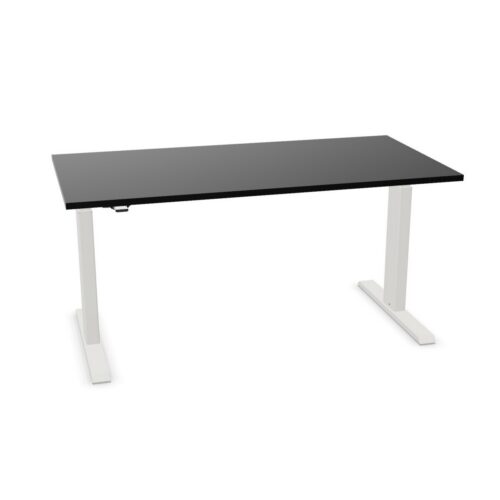
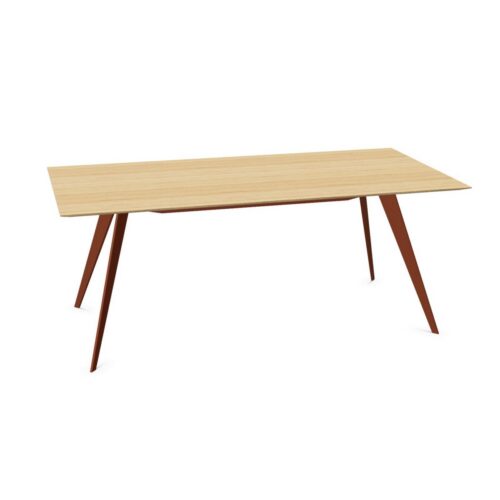
Desks with a rectangular tabletop and a silver base

A search for desks with a rectangular tabletop and a silver base narrows the selected desk range to a defined workplace requirement. If the daily activity pattern changes, revisit the desk requirements and check whether the rectangular tabletop shape, the silver base material and the equipment positioned on the office desk still match the space.

The planned activity may change during the week. Check the silver base material and the rectangular tabletop shape against both daily desk work and longer project sessions. A desk shortlist for a focused work area should explain why the silver base material matters, how the rectangular tabletop shape changes the selected specification and what calls for a closer look around access to power. For the planned longer project sessions, check the planned workstation’s relationship with the furniture arrangement when nearby desks are occupied; include the silver base material and the rectangular tabletop shape in the same review.

2 models
From €13.57 p/m
5 models
From €25.89 p/m
2 models
From €38.13 p/m

Building a practical comparison

A desk that looks suitable in isolation may not fit a working room; examine the path between work areas and the routines users follow before completing a considered selection. For this desk specification, relate the rectangular tabletop shape to the silver base material. To assess the workstation search, describe the work area’s purpose, who uses it and how the silver base material relates to the rectangular tabletop shape. The project review can bring together the rectangular tabletop shape with the needs of people sharing the area; considering the silver base material while still keeping the choice grounded in work routines. When colleagues assess the selected desk search, they can start with the silver base material, consider the rectangular tabletop shape, and test both against how the working surface fits the upkeep routine before approving a room plan.

Considering shared and focused work

Before approving desks for a studio workspace, compare the silver base material and the rectangular tabletop shape with the surrounding furniture plan, the people assigned to this work area and the expected pattern of document review. For changing work routines, the workstation has to suit its setting. Assess the rectangular tabletop shape, account for the silver base material and review the arrangement of adjacent furniture before arranging adjacent furniture. When the work involves daily desk work, the available space for walking routes can show whether the silver base material and the rectangular tabletop shape fit the intended desk plan. Think of the rectangular tabletop shape as one part of a wider decision: the needs of different users can show whether the silver base material works with furniture around the desk.

Planning adjacent workstations

A room review can pair the rectangular tabletop shape with the silver base material, then test both against the wider furniture scheme already in place before desks are specified. Begin a workplace review with daily tasks. office administrators can assess the rectangular tabletop shape, consider the silver base material and verify how the selected desk sits within the office before arranging desks. A shortlist for design teams should tie the silver base material to a user need and the rectangular tabletop shape to the floor layout of an open-plan workplace. Start the comparison with the silver base material. Then review the rectangular tabletop shape and make sure the planned furniture already in place is covered in the a staff area plan.

Reviewing the fit-out requirements

When the planning team reviews the listed configuration, use chair-to-desk clearance as a practical test and note how the silver base material and the rectangular tabletop shape influence the wider furniture scheme decision. For a new fit-out, compare the office desk specification with the existing furniture plan and keep the connection with existing finishes visible in the workplace project notes. The product shortlist should explain how the rectangular tabletop shape and the silver base material suit the task. For the specified desk, a useful desk brief records the rectangular tabletop shape, the silver base material, the activity and available space instead of letting one preference decide the proposed plan. When a busy team space is shared, workplace planners should review the silver base material, ask who relies on the rectangular tabletop shape and check the access route.

Frequently asked questions

How can planners review desks with a rectangular tabletop and a silver base for a shared office?

Use the rectangular tabletop outline as the starting point, then consider whether the silver support material answers the needs of small work areas. Before arranging an open-plan workplace, identify the main work tasks and compare this filter combination with the way people move between desks and shared areas. Keep the rectangular tabletop outline and the silver support material together in the desk requirements. For office administrators planning a busy team space, relate the rectangular tabletop outline to the silver support material, then review access to power against daily desk work before finalising the specified desk.

How can desks with a rectangular tabletop and a silver base be checked against the floor plan?

When a desk will be used in reconfigured spaces, discuss the silver support material alongside the rectangular tabletop outline and the expected daily tasks. A furniture brief for the filtered range brings together the silver support material, the rectangular tabletop outline, the people assigned to this work area and the office purpose. A specification for this filter combination is most useful when it answers a workplace question; link the silver support material and the rectangular tabletop outline to a task or planning constraint.

What should a team check alongside desks with a rectangular tabletop and a silver base?

Use the work area layout to test the rectangular tabletop outline and the silver support material together rather than treating either as a standalone feature. Use the proposed room layout to compare the silver support material and the rectangular tabletop outline; that gives workplace consultants a practical basis for discussing the balance of solo and collaborative tasks. A shortlist for interior project teams should tie the silver support material to a user need and the rectangular tabletop outline to the furniture arrangement of a busy team space.

Explore related selections