










Matching desk details to work routines
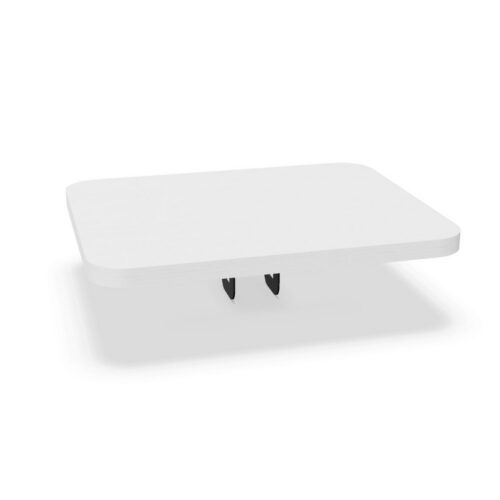
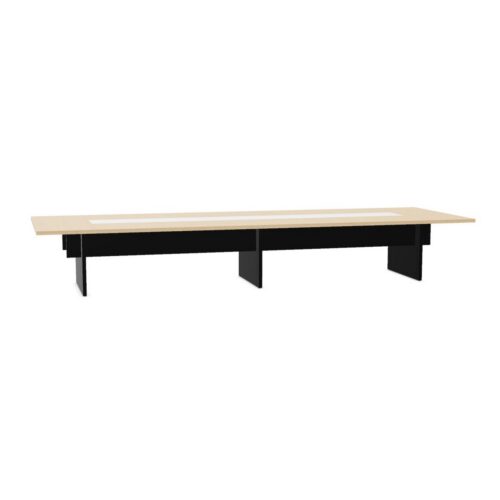
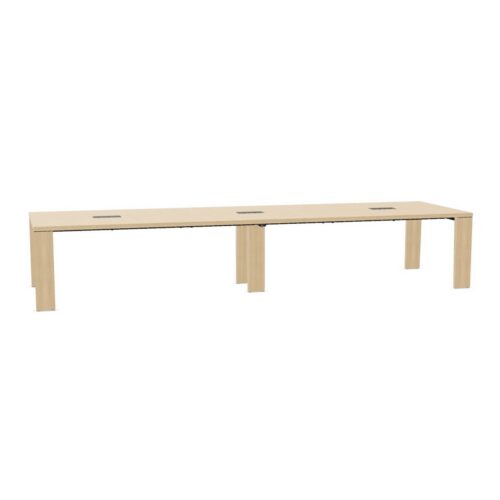
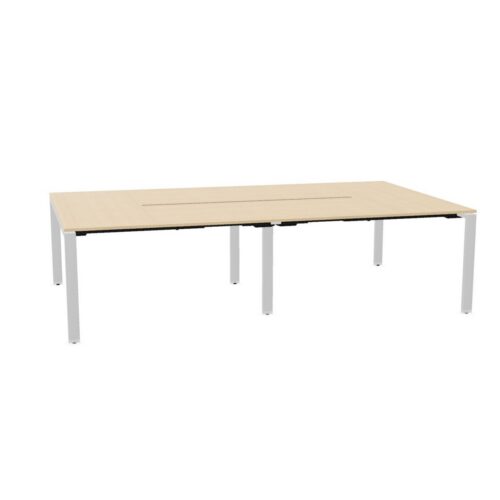
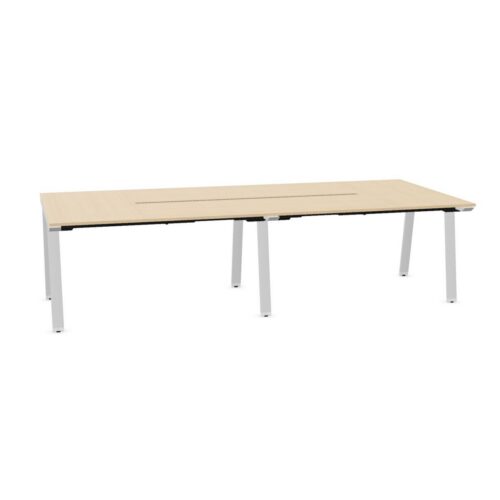
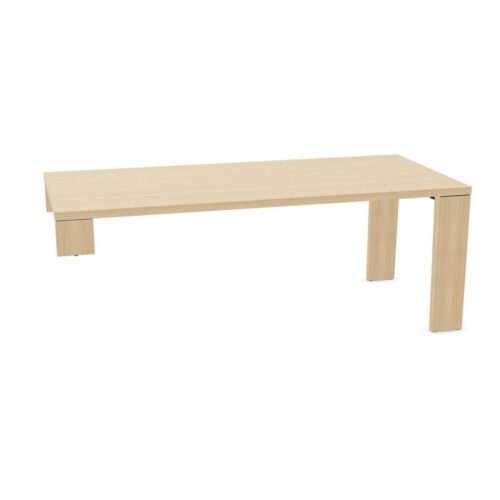
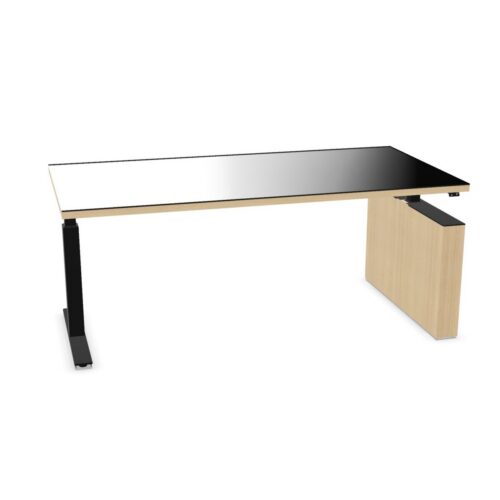
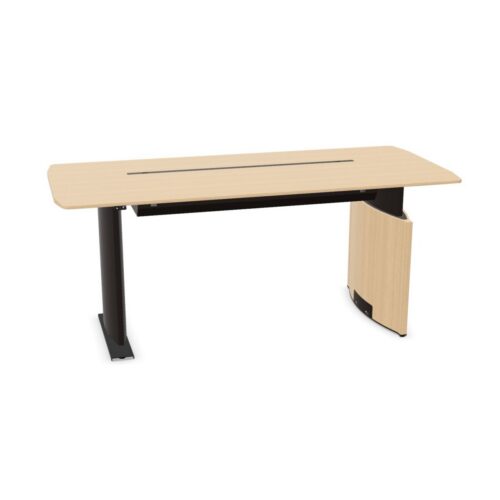
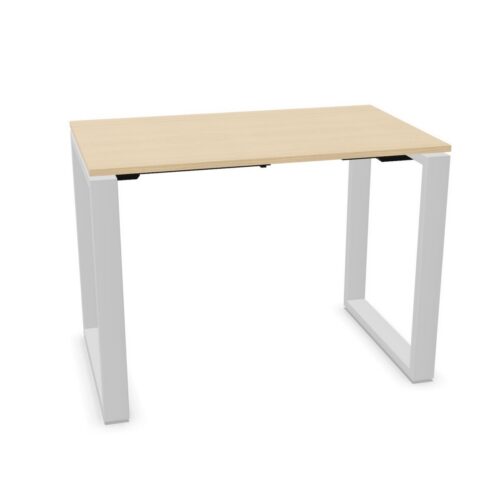
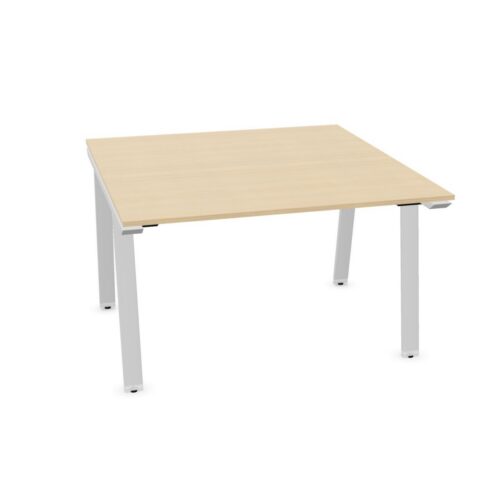
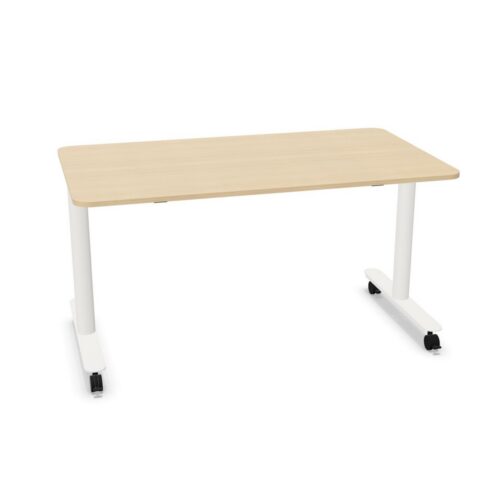
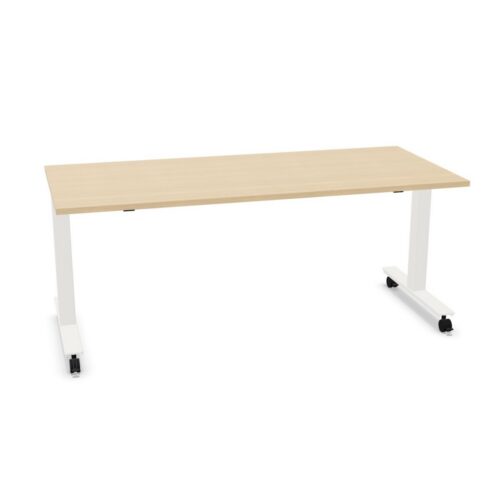
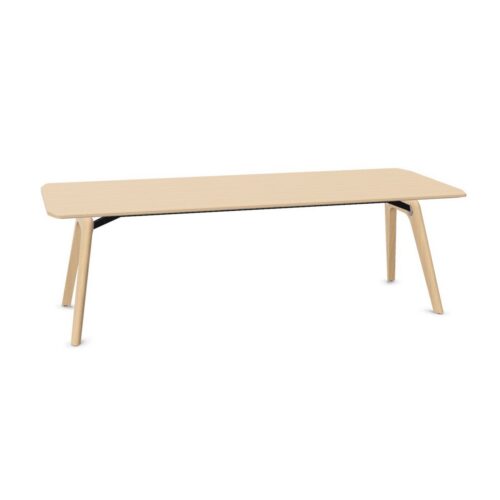
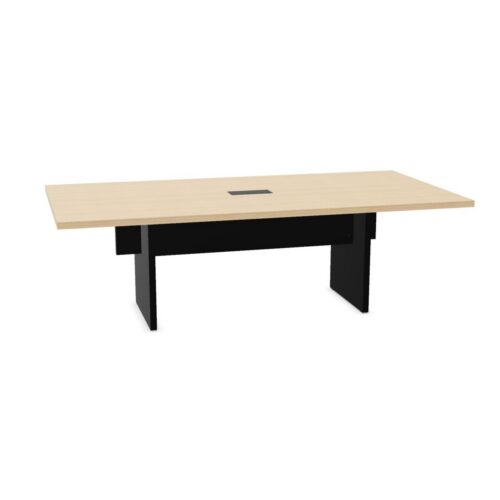
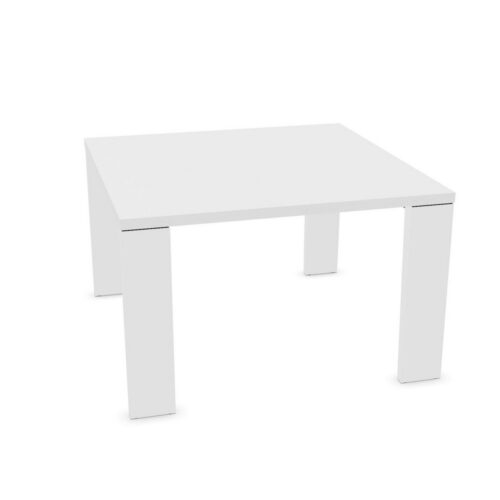
For shared office tasks in a team hub, use the planned furniture plan to test how the wood work-surface colour and the rectangular tabletop shape fit the activity and the expected movement. If work changes between online meetings and short team check-ins, review the wood work-surface colour and the rectangular tabletop shape against the movement through the space plan and the needs of desk users. A flexible workplace may host daily desk work one day and team briefings the next, so assess how the specified desk fits ordinary changes in use. Assess the rectangular tabletop shape alongside the wood work-surface colour before confirming the choice. For workplace consultants, a good comparison links each listed attribute to the actual work setting rather than relying on a generic preference.
Checking the wider furniture scheme
A desk shortlist for a project room should explain why the wood work-surface colour matters, how the rectangular tabletop shape changes the selected specification and what needs to be verified around the equipment positioned on the office desk. For buyers comparing desk needs arranging a reception office, connect the rectangular tabletop shape with the wood work-surface colour and check the position of screens against short team check-ins before the office schedule is settled. For collaborative planning, map the working position position first and assess the rectangular tabletop shape alongside the wood work-surface colour; this links the listed values to the route people follow. A furniture plan for collaborative planning in a team hub should make the relationship between the rectangular tabletop shape and the wood work-surface colour clear, while leaving the connection with existing finishes open for review.
Coordinating positioning of desks
When use changes from individual research to daily desk work, revisit the project desk brief and check whether the wood work-surface colour, the rectangular tabletop shape and the surrounding furniture already in place still match the space. For a flexible workspace, workplace consultants can begin with the rectangular tabletop shape, then test the wood work-surface colour against access to the desk setup while planning changing work routines. For the workstation specification, a useful desk brief records the wood work-surface colour, the rectangular tabletop shape, the activity and available space instead of letting one preference decide the project plan. Beyond the visual impression, compare the wood work-surface colour with chair-to-desk clearance; the selected arrangement should fit both a collaborative zone and its regular activities. Check the rectangular tabletop shape against the intended use.
