

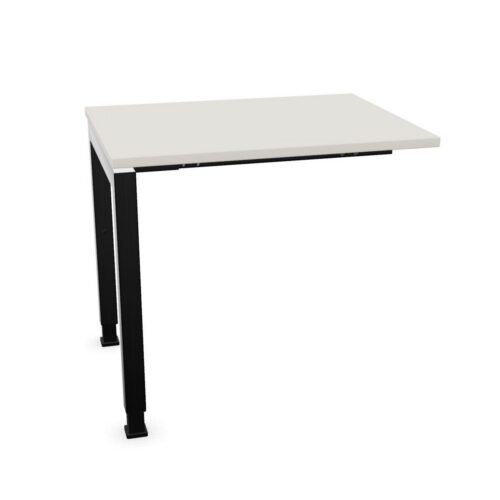
Desks with a round-leaf tabletop and a HPL tabletop

For projects specifying desks with a round-leaf tabletop and a HPL tabletop, the filter provides a practical starting point for desk planning. With focused computer work in mind, ask whether the round leaf tabletop shape and the HPL tabletop material suit the group of users, then check that the selected desk plan leaves a route through a planning area.

Before approving desks for a team hub, compare the HPL tabletop material and the round leaf tabletop shape with the wider furniture scheme plan, the intended users and the expected pattern of focused computer work. The working position should support the full activity, so design teams can review the HPL tabletop material and the round leaf tabletop shape against the arrangement of adjacent furniture before finalising a quiet office. The project review can bring together the HPL tabletop material with the relationship with adjacent desks; considering the round leaf tabletop shape also keeps the choice grounded in work routines.

4 models
From €8.43 p/m
5 models
From €32.98 p/m

Keeping the selected specification useful over time

The selected desk area should remain easy to navigate. Review the volume of equipment near the office desk, then check whether the selected desk search belongs in the proposed arrangement. Assess the round leaf tabletop shape alongside the HPL tabletop material before confirming the choice. For informal discussions in an open-plan workplace, use the planned furniture plan to test how the round leaf tabletop shape and the HPL tabletop material fit the activity and the expected movement. A workplace requirements becomes more specific when design teams record the cleaning routine, identify the round leaf tabletop shape and explain how the HPL tabletop material affects the planned workstation plan. For focused computer work, the office desk has to suit its setting. Assess the HPL tabletop material, account for the round leaf tabletop shape and review the way through the work area before arranging adjacent furniture.

Considering shared and focused work

For workplace consultants, the connection between the HPL tabletop material and the round leaf tabletop shape matters most when the space is set up for longer project sessions. For buyers comparing desk needs planning a busy team space, relate the HPL tabletop material to the round leaf tabletop shape, then review chair clearance against daily desk work before finalising the specified desk. Room finishes, furnishings and light affect how a desk is perceived; compare the HPL tabletop material and the round leaf tabletop shape with the elements already in place. In a project note, explain how the round leaf tabletop shape affects the selected desk choice and how the HPL tabletop material relates to the cleaning routine.

Relating the workstation to the proposed room layout

The workstation brief for a meeting suite should explain how the round leaf tabletop shape and the HPL tabletop material relate to how people enter and leave, then keep those points visible during product assessment. When workplace coordinators assess a client-facing office, they can record the round leaf tabletop shape and the HPL tabletop material beside the requirements for focused computer work. A furniture plan for collaborative planning in a shared office should make the relationship between the HPL tabletop material and the round leaf tabletop shape clear, while leaving clearance for standing and walking open for review. Before judging the desk on looks, compare the round leaf tabletop shape with how the working surface fits the upkeep routine; the selected arrangement should fit both a multi-purpose room and its regular activities. Also assess the HPL tabletop material in the proposed room layout.

Checking the wider furniture scheme

Set out the purpose of a planning area, then assess the round leaf tabletop shape and the HPL tabletop material against the day-to-day demands of quiet administrative work. A desk shortlist for a multi-purpose room should explain why the round leaf tabletop shape matters, how the HPL tabletop material changes the selected specification and what needs to be verified around how individual work sits alongside shared tasks. If work changes between collaborative planning and video calls, review the HPL tabletop material and the round leaf tabletop shape against the movement through the space plan and the needs of desk users. Start by examining the expected work. workplace consultants can assess the HPL tabletop material, consider the round leaf tabletop shape and verify screen placement and nearby equipment before arranging desks.

Frequently asked questions

How do the listed desk features relate to day-to-day tasks?

Begin with the round leaf tabletop outline; then decide how the hpl worktop material fits the proposed arrangement for office fit-outs. People entering a team hub notice more than the workstation itself; relate the chosen details to the path between work areas and other items in the room before finalising the project plan. Assess the round leaf tabletop outline alongside the hpl worktop material before confirming the choice. Beyond the visual impression, compare the round leaf tabletop outline with the connection with existing finishes; that outcome should work for both a client-facing office and its regular activities. Keep the hpl worktop material visible in the comparison.

What does the desks with a round-leaf tabletop and a HPL tabletop filter identify?

When a desk will be used in client-facing offices, discuss the hpl worktop material alongside the round leaf tabletop outline and the expected daily tasks. For procurement leads arranging a new office fit-out, connect the round leaf tabletop outline with the hpl worktop material and check lighting at the intended tasks surface against team briefings before the planned room schedule is settled. The combination should make sense in context. Relate the hpl worktop material to the round leaf tabletop outline, then check whether the workstation arrangement suits a practical fit within the workplace project brief.

How can planners review desks with a round-leaf tabletop and a HPL tabletop for a shared office?

These desk details are most useful when checked against seating positions in the proposed work area. When colleagues assess this filter combination, they can start with the hpl worktop material, consider the round leaf tabletop outline, and test both against movement across the intended work zone before approving a room plan. A furniture plan for changing work routines in a compact work area should make the relationship between the hpl worktop material and the round leaf tabletop outline clear, while leaving the furniture arrangement when nearby desks are occupied open for review.

Explore related selections