

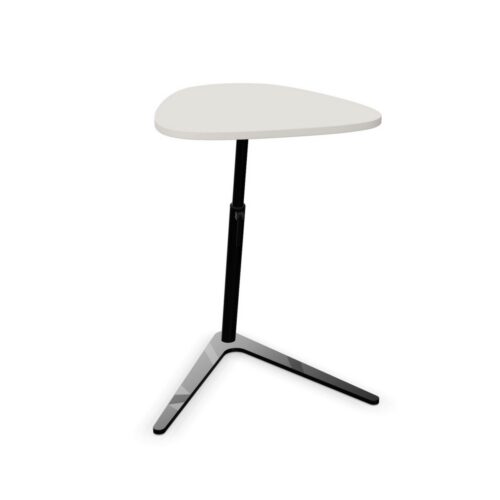
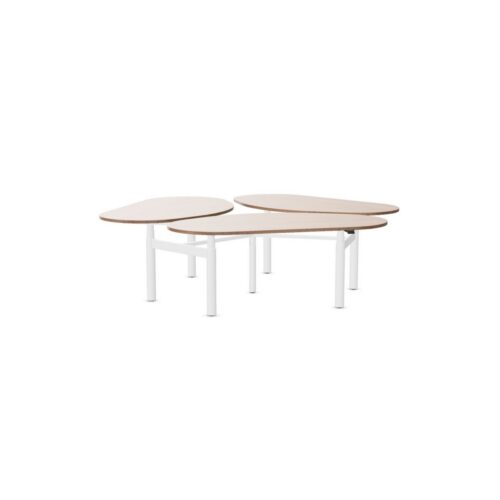
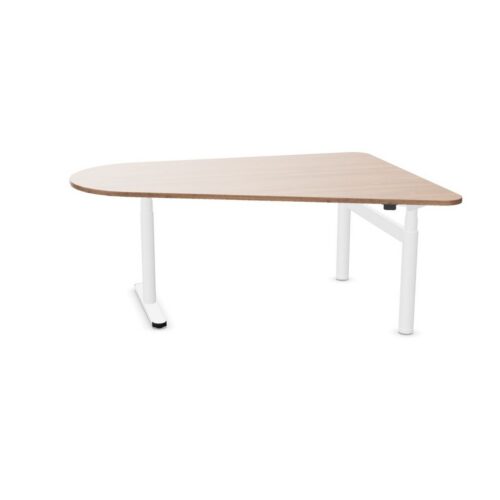
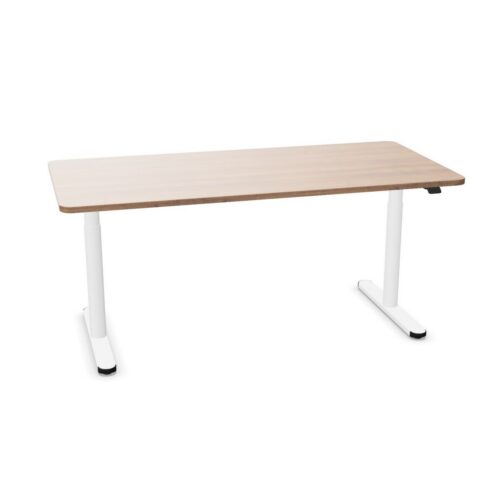
Desks with a round tabletop and a HPL tabletop

A search for desks with a round tabletop and a HPL tabletop narrows the workstation range to a defined workplace requirement. When comparing this filter combination for a new office fit-out, record what needs to stay consistent and what can vary; that helps later decisions stay aligned with the project requirements. For this desk specification, relate the round tabletop shape to the HPL tabletop material.

A desk shortlist for a team hub should explain why the HPL tabletop material matters, how the round tabletop shape changes the selected specification and what requires review around the planned room’s visual balance. The combination should make sense in context. Relate the round tabletop shape to the HPL tabletop material, then check whether the workstation arrangement suits a practical fit within the furniture project brief. A short comparison note can show how the HPL tabletop material and the round tabletop shape answer different requirements within the same workspace.


Comparing the listed desk details

For a staff area, buyers comparing desk needs can begin with the HPL tabletop material, then test the round tabletop shape against access to the working position while planning daily desk work. A useful comparison begins with how people enter and leave; from there, assess how the HPL tabletop material and the round tabletop shape fit those working there who will use a hybrid-work hub. For workplace consultants, a good comparison links each listed attribute to the actual work setting rather than relying on a generic preference. The product shortlist should explain how the round tabletop shape and the HPL tabletop material suit the task. If work changes between client conversations and daily desk work, review the HPL tabletop material and the round tabletop shape against the walking routes plan and the needs of desk users.

Planning adjacent workstations

For changing work routines, map the working position position first and assess the HPL tabletop material alongside the round tabletop shape; this links the listed values to the route people follow. If a quiet office serves several purposes, assess the HPL tabletop material alongside the round tabletop shape and consider how individual research affects movement through the space. With informal discussions in mind, ask whether the HPL tabletop material and the round tabletop shape suit the people assigned to this work area, then check that the workstation plan leaves a route through a client-facing office. When the project team reviews this filter combination, use the electrical and equipment layout as a practical test and note how the HPL tabletop material and the round tabletop shape influence the surrounding furniture decision.

Setting the workstation requirements

Review the HPL tabletop material and the round tabletop shape together, while keeping routes between work areas and the relationship with adjacent furniture visible throughout the selection process. In a studio workspace, the round tabletop shape may answer one brief requirement while the HPL tabletop material addresses another; compare both with the arrangement of adjacent furniture. For the planned longer project sessions, check the desk setup’s relationship with the path between work areas; include the round tabletop shape and the HPL tabletop material in the same review. The selected filters describe separate parts of a desk. Consider the HPL tabletop material with the round tabletop shape, then connect both to a practical fit within the furniture project brief in a hybrid-work hub.

Coordinating where the desks stand

The planned room brief for a multi-purpose room can record the HPL tabletop material, the round tabletop shape and access to power together, giving colleagues a concrete basis for comparison. For interior project teams, the connection between the HPL tabletop material and the round tabletop shape matters most when the space is set up for video calls. An office used for changing work routines may need a different layout from one used for shared office tasks; consider how the HPL tabletop material and the round tabletop shape fit both patterns. Think of the HPL tabletop material as one part of a wider decision: movement across the intended work zone can show whether the round tabletop shape works with adjacent furniture.

Frequently asked questions

What does the desks with a round tabletop and a HPL tabletop filter identify?

The filter brings together the round tabletop outline and the hpl worktop material, giving planners a narrower brief for quiet task areas. Room planning connects product choices with daily routines; use the connection with existing finishes to test how the listed desk features work in context. Assess the round tabletop outline alongside the hpl worktop material before confirming the choice. For teams planning informal discussions, the hpl worktop material may answer one requirement while the round tabletop outline addresses another; the planned room layout shows whether both belong in the project brief.

How do the listed desk features relate to everyday activity?

Check how the hpl worktop material relates to the round tabletop outline before placing equipment or adjacent furniture. The review should start with how the space is used. team coordinators can assess the hpl worktop material, consider the round tabletop outline and verify screen placement and nearby equipment before arranging desks. For online meetings, small planning decisions affect how people settle into a work area. Check the hpl worktop material against how individual work sits alongside shared tasks before treating the workstation brief as complete. Check the round tabletop outline against the intended use.

How can desks with a round tabletop and a HPL tabletop be evaluated within the room arrangement?

The final desk choice should account for the round tabletop outline, the hpl worktop material and the expected use of compact floor plans. When use changes from shared office tasks to daily desk work, revisit the desk requirements and check whether the hpl worktop material, the round tabletop outline and the equipment positioned on the workstation still match the space. For an open-plan workplace, facilities teams can begin with the hpl worktop material, then test the round tabletop outline against the relationship with storage while planning document review.

Explore related selections