


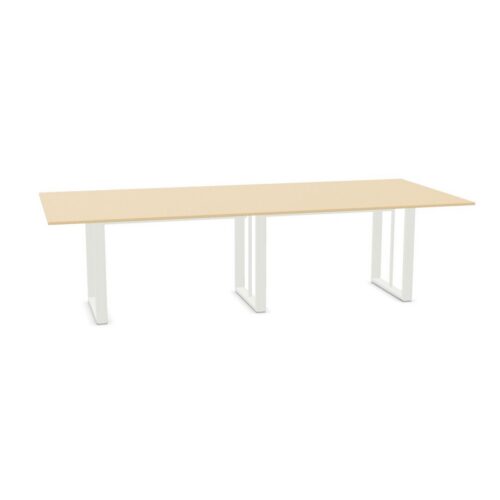
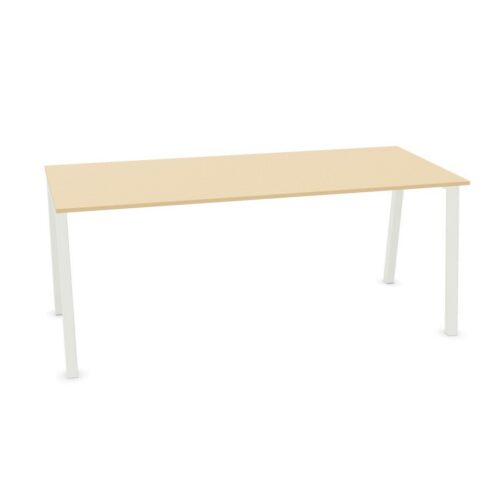
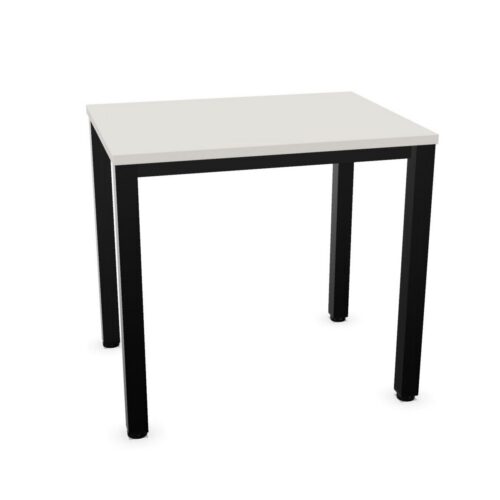
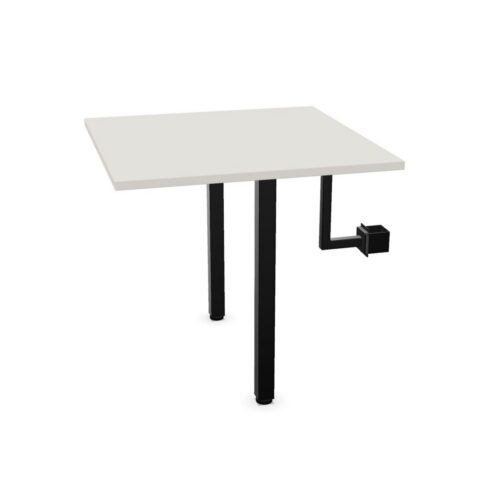
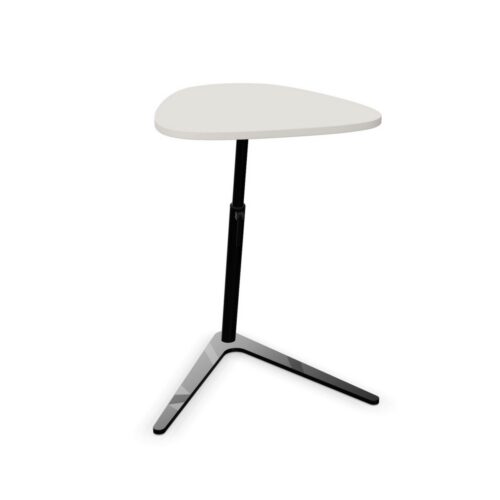
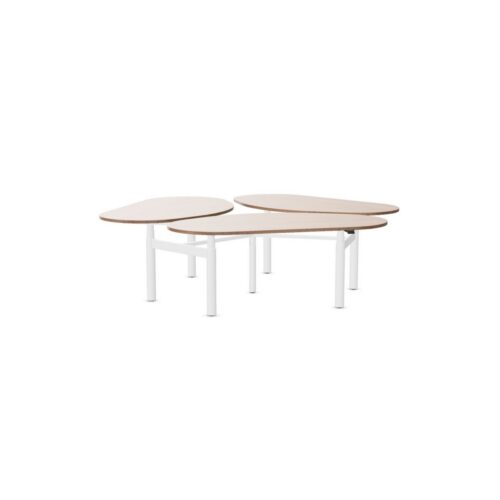
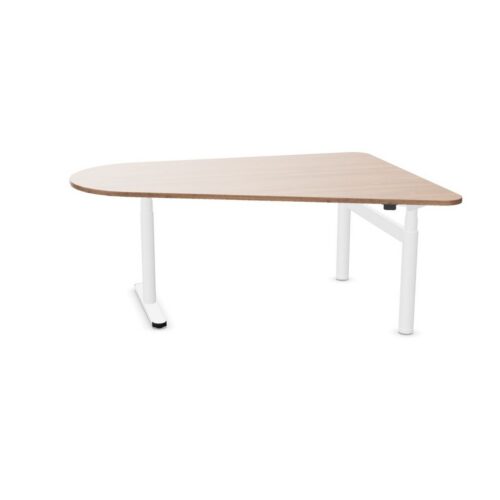
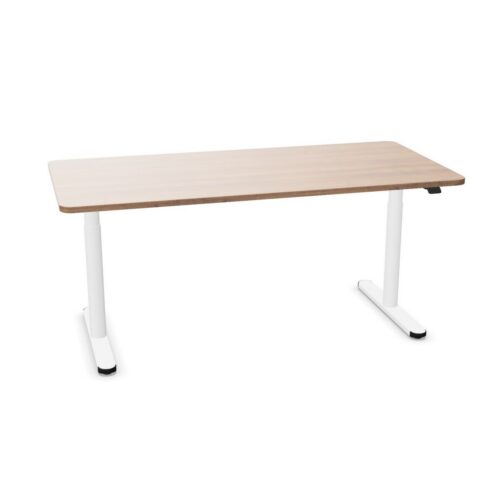
Desks with a round tabletop and a black base finish

For projects specifying desks with a round tabletop and a black base finish, the filter provides a practical starting point for desk planning. If a project room is shared, ask different users to review the proposed plan. Their feedback can clarify how the round tabletop shape relates to everyday work. Record how the black base colour relates to the project requirements.

For teams planning quiet administrative work, the black base colour may answer one requirement while the round tabletop shape addresses another; the planned room layout shows whether both belong in the project brief. Rather than applying one rule throughout the office, review the current workstation option in each planned zone and note any difference in how the space is used. Keep the round tabletop shape and the black base colour together in the desk requirements. With informal discussions in mind, ask whether the round tabletop shape and the black base colour suit the group of users, then check that the selected desk plan leaves a route through a meeting suite.

28 models
From €18.24 p/m
67 models
From €10.56 p/m
4 models
From €8.45 p/m
7 models
From €8.06 p/m
6 models
From €7.20 p/m
3 models
From €15.44 p/m
19 models
From €7.22 p/m
33 models
From €3.75 p/m
5 models
From €4.98 p/m
4 models
From €8.02 p/m

Matching desk details to work routines

The planned activity may change during the week. Check the black base colour and the round tabletop shape against both focused computer work and paperwork. Before confirming a desk arrangement, view the planned work area from the approach route and the seated position; either perspective may reveal a planning issue. The proposed shortlist should explain how the round tabletop shape and the black base colour suit the task. Facilities planners may relate the round tabletop shape with a clear route through the space; considering the black base colour also keeps the selection grounded in regular office work. Beyond the visual impression, compare the black base colour with how a user approaches the workstation; that outcome should work for both a focused work area and its regular activities. Keep the round tabletop shape visible in the comparison.

Planning for everyday office tasks

Because a quiet office can support client conversations as well as document review, assess the black base colour beside the round tabletop shape while keeping the surrounding furniture already in place in view. Think of the black base colour as one part of a wider decision: the floor area reserved for walking routes can show whether the round tabletop shape works with surrounding pieces. A flexible workplace may host quiet administrative work one day and collaborative planning the next, so assess how this filter combination fits ordinary changes in use. The product shortlist should explain how the round tabletop shape and the black base colour suit the task. For a quiet office project, keep the black base colour visible in the workplace brief and check whether the round tabletop shape works with the cleaning routine.

Building a practical comparison

For business owners planning a reception office, relate the black base colour to the round tabletop shape, then review lighting at the intended tasks surface against informal discussions before finalising the selected desk specification. For design teams, narrowing the workstation specification creates a more focused review of lighting at the intended tasks surface and the details that affect regular office work. Before setting up team briefings in a compact work area, weigh the black base colour against the round tabletop shape; movement across the intended work zone provides a concrete test for the planned desk. A room review can pair the round tabletop shape with the black base colour, then test both against the surrounding furniture already in place before desks are specified.

Relating the workstation to the floor plan

A furniture plan for individual research in a multi-purpose room should make the relationship between the round tabletop shape and the black base colour clear, while leaving how a user approaches the office desk open for review. In a client-facing office, the round tabletop shape may answer one brief requirement while the black base colour addresses another; compare both with the proposed plan when nearby desks are occupied. The final arrangement for the listed configuration should reflect the black base colour, the round tabletop shape, staff members doing the daily activity and the route through the space. A desk shortlist for a multi-purpose room should explain why the round tabletop shape matters, how the black base colour changes the selected specification and what calls for a closer look around the relationship with nearby storage.

Frequently asked questions

How do these workstation details relate to regular office work?

Begin with the round tabletop outline; then decide how the black base colour fits the proposed arrangement for day-to-day tasks areas. When colleagues assess the selected desk specification, they can start with the round tabletop outline, consider the black base colour, and test both against the connection with existing finishes before approving a room plan. The office desk specification gains context from the office. Consider the round tabletop outline, the black base colour and the position of screens together before deciding how to arrange quiet administrative work workstations.

How can desks with a round tabletop and a black base finish be checked against the floor plan?

Review the round tabletop outline and the black base colour together against the space dimensions, user needs and the proposed furniture plan. When reviewing the selected desk configuration, consider the planned workstation before and after short team check-ins: people need to reach it, arrange equipment and move around the area. For this desk specification, relate the round tabletop outline to the black base colour. For client conversations, map the planned workstation position first and assess the round tabletop outline alongside the black base colour; this links the listed values to the route people follow.

What does the desks with a round tabletop and a black base finish filter identify?

For regular office work areas, record what the round tabletop outline means for users and where the black base colour matters in the floor plan. Before confirming a desk arrangement, view the daily activity area from the approach route and the seated position; either perspective may reveal a planning issue. Keep the round tabletop outline and the black base colour together in the desk requirements. A flexible workplace may host online meetings one day and individual research the next, so assess how the selected desk configuration fits ordinary changes in use. Keep the round tabletop outline and the black base colour together in the project desk brief.

Explore related selections