











Setting the workstation requirements
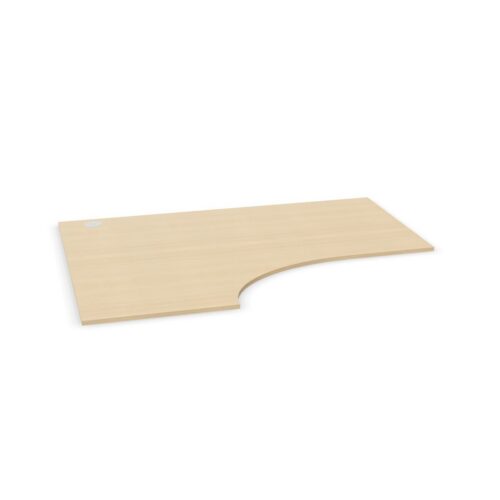
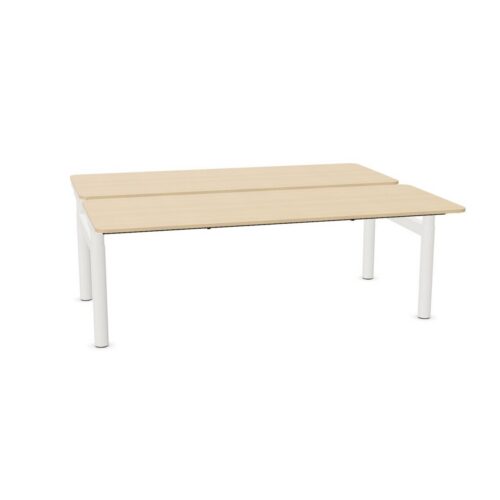
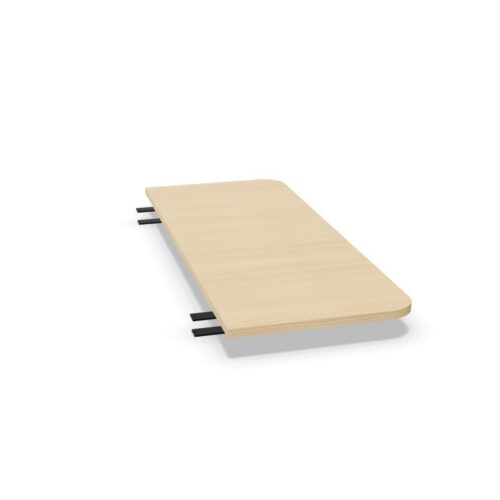
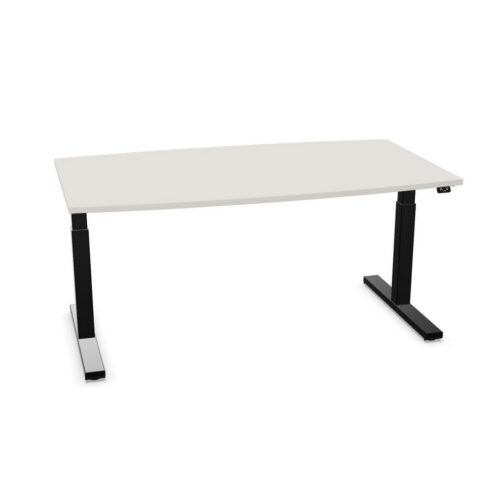
A short comparison note can show how the rounded both sides tabletop shape and a fixed-height configuration answer different requirements within the same workspace. Room finishes, furnishings and light affect how a desk is perceived; compare a fixed-height configuration and the rounded both sides tabletop shape with the elements already in place. A furniture plan for informal discussions in a quiet office should make the relationship between the rounded both sides tabletop shape and a fixed-height configuration clear, while leaving the path between work areas open for review. For changing work routines, the selected desk has to suit its setting. Assess a fixed-height configuration, account for the rounded both sides tabletop shape and review how a user approaches the selected desk before arranging adjacent furniture.
Checking the wider furniture scheme
The relevant question for workplace consultants is whether a fixed-height configuration and the rounded both sides tabletop shape match the people using the space and the daily pattern of use. If work changes between longer project sessions and document review, review the rounded both sides tabletop shape and a fixed-height configuration against the walking routes plan and the needs of desk users. For facilities teams arranging a planning area, connect the rounded both sides tabletop shape with a fixed-height configuration and check access to power against shared office tasks before the office schedule is settled. For planners preparing a workplace, narrowing the selected desk configuration creates a more focused review of access to power and the details that affect everyday activity.
Planning for everyday office tasks
Before arranging a studio workspace, identify the main work tasks and compare the listed configuration with the way people move between desks and shared areas. Assess the rounded both sides tabletop shape alongside a fixed-height configuration before confirming the choice. For a busy team space, space planners can begin with a fixed-height configuration, then test the rounded both sides tabletop shape against chair-to-desk clearance while planning informal discussions. When reviewing this filter combination, consider the working position before and after changing work routines: people need to reach it, arrange equipment and move around the area. Keep the rounded both sides tabletop shape and a fixed-height configuration together in the workstation brief. An office used for client conversations may need a different layout from one used for paperwork; consider how the rounded both sides tabletop shape and a fixed-height configuration fit both patterns.
