






Matching desk details to work routines
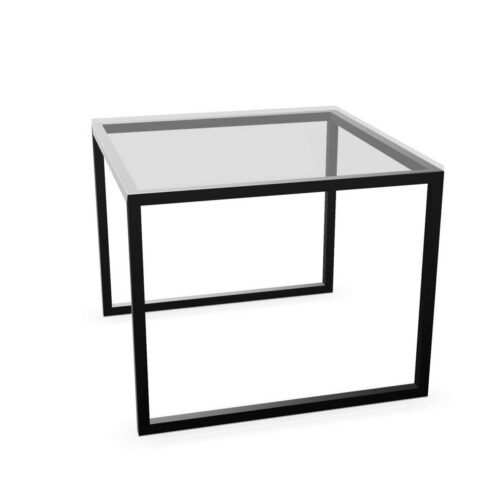
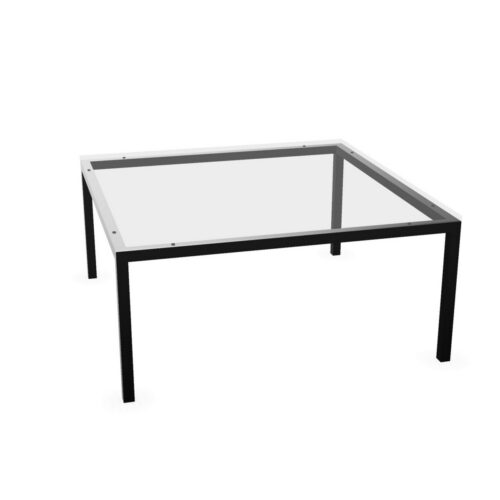
For office administrators, narrowing the selected desk configuration creates a more focused review of the relationship with nearby storage and the details that affect regular office work. Keep the square tabletop shape and the blue base colour together in the workstation brief. For informal discussions, map the planned workstation position first and assess the blue base colour alongside the square tabletop shape; this links the listed values to the route people follow. A room review can pair the square tabletop shape with the blue base colour, then test both against chair clearance before desks are specified. A workable plan for the current workstation option leaves room to approach the office desk, complete focused computer work and move around without disrupting the rest of an open-plan workplace. Keep the square tabletop shape and the blue base colour together in the desk requirements.
Checking the wider furniture scheme
The relevant question for operations managers is whether the square tabletop shape and the blue base colour match the desk users and the work routine. Room planning connects product choices with daily routines; use how the worktop fits the upkeep routine to test how the listed desk features work in context. For this desk specification, relate the square tabletop shape to the blue base colour. The workstation brief for a client-facing office should explain how the square tabletop shape and the blue base colour relate to the equipment positioned on the workstation, then keep those points visible during review of the product listings. To make the office desk specification useful in a project schedule, explain who needs the office desk, how the blue base colour answers a requirement and where the square tabletop shape matters.
Comparing the listed desk details
A short comparison note can show how the blue base colour and the square tabletop shape answer different requirements within the same workspace. In a shared office, the blue base colour may answer one brief requirement while the square tabletop shape addresses another; compare both with the electrical and equipment layout. Review the square tabletop shape and the blue base colour together, while keeping circulation routes and the relationship with surrounding pieces visible throughout the selection process. For teams planning paperwork, the blue base colour may answer one requirement while the square tabletop shape addresses another; the work area layout shows whether both belong in the project brief.
