

Brown Base Office Chairs Without Declared Standards

Brown base office chairs without declared standards invite a careful comparison with the furniture an office already uses. Brown may be considered alongside desk frames, timber surfaces or other coloured elements, but the base colour alone does not establish a wood material or a particular finish. Begin with the actual room and the proposed chair configuration. This keeps visual coordination grounded in what can be checked rather than in associations with a colour name.

The practical seating review needs equal attention. Confirm how each chair relates to the desk, the people using it and the activities expected in that location. No standard is declared here, so a particular certification or test outcome should not be assumed. An office manager can make the decision easier to review by keeping colour comparisons, confirmed seating characteristics and documentation questions in distinct parts of the same assessment. Each contributes useful information, but answers a different workplace planning question.

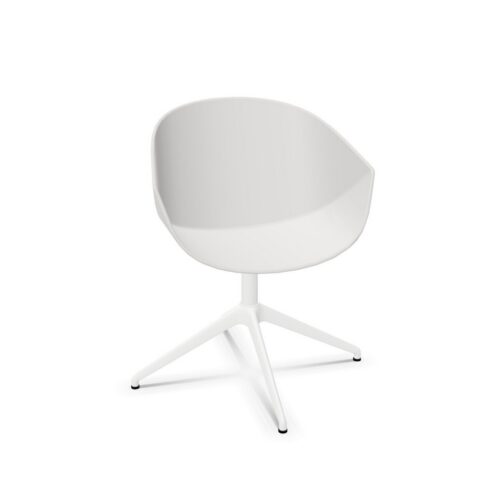
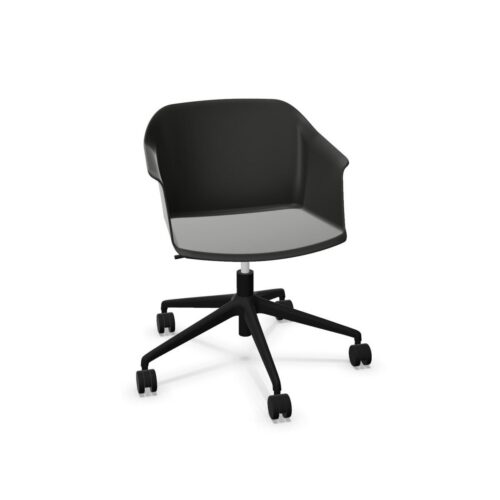
4 models
From €7.26 p/m
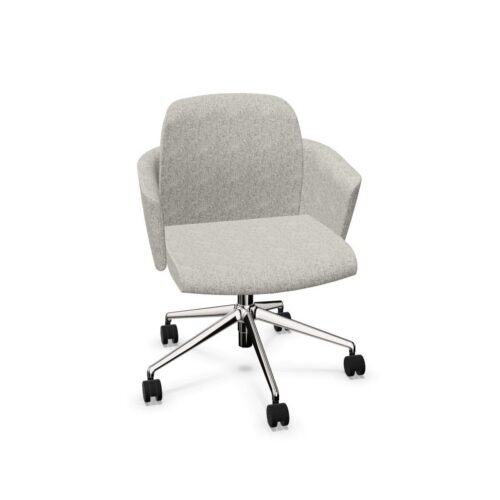
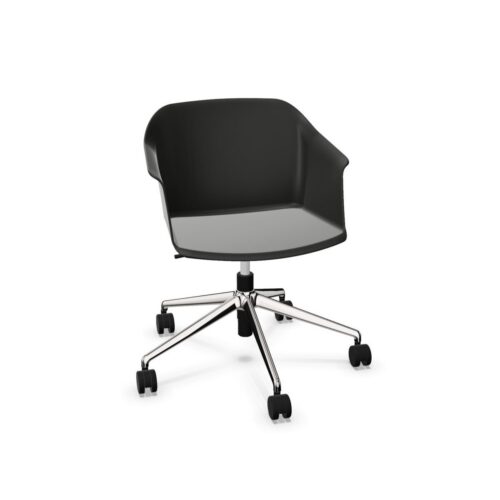
3 models
From €8.88 p/m
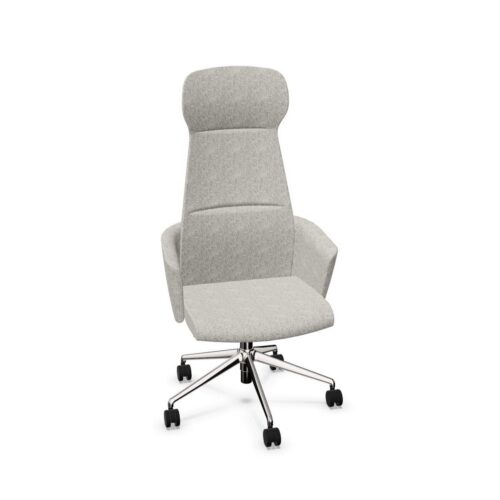
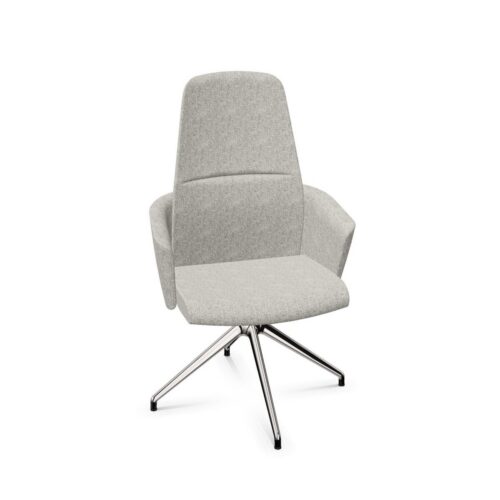
5 models
From €13.67 p/m
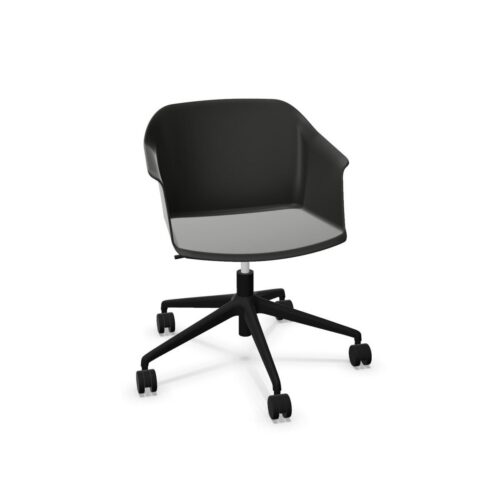
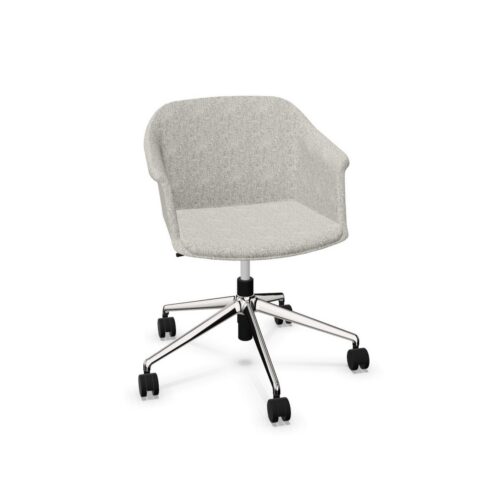
19 models
From €2.38 p/m
2 models
From €35.28 p/m
4 models
From €28.11 p/m
6 models
From €23.37 p/m
4 models
From €28.21 p/m
2 models
From €17.02 p/m
2 models
From €17.92 p/m
€27.92 p/m
10 models
From €25.85 p/m
2 models
From €41.00 p/m
3 models
From €7.48 p/m

Read Brown Alongside Existing Furniture Surfaces

Start by identifying the surfaces that will remain near the seating. A room may contain several browns already, each with a different shade or finish. Compare the proposed base directly with those surfaces and decide whether the intended relationship is a close match, a tonal connection or a deliberate visual difference.

Brown base office chairs without declared standards should not be treated as wooden seating simply because of their colour. Confirm base material and finish separately when these matter to the brief. A sample viewed beside the existing furniture can support a more useful discussion than colour terminology alone during room planning.

Record What the Seating Must Accommodate

Describe the workstation before judging the chair. Note the work surface, available space and expected users, then examine the seating dimensions and any adjustment features. Office chairs need to be considered in relation to their actual setting, especially where existing furniture limits the room available for positioning and everyday movement.

If armrests are present, check their relationship with the desk. If the chair has moving components, assess their operation and clearance in the intended position. These are questions to verify for the exact configuration. Neither brown colouring nor similarity to furniture elsewhere establishes how the seating will accommodate a particular user.

Make Standards Information Traceable in the Review

For brown base office chairs without declared standards, ask whether relevant standards documentation exists and which configuration it covers. Record any response together with the seating details being assessed. This helps prevent information about another version from being carried into the review without checking that the evidence applies to this configuration.

Keep the wording measured if no documentation is established. The absence of a declared standard is not proof of failed testing or poor suitability. It is an unresolved evidence question. Compare confirmed characteristics on their own terms, and identify any additional information needed to satisfy the organisation's brief for the intended use.

Compare Continuity Without Overlooking User Fit

Visual continuity can be a useful objective where only part of an office is changing. Assess the brown base from entrances, neighbouring desks and seated positions. Then gather user observations about the actual seating arrangement, so a successful colour relationship does not conceal questions about dimensions, controls or access around furniture.

A final comparison of brown base office chairs without declared standards can bring these strands into one readable record. Include the intended furniture pairing, confirmed specifications, user comments and standards questions still outstanding. This allows colleagues to assess office chairs against the same brief while seeing where a particular room needs individual consideration.

FAQ: Brown Bases and Existing Office Furniture

Does a brown base mean wood construction?

No. Brown identifies the colour of the base, not its material. Wood, metal and other materials cannot be inferred from that description. Ask for the actual construction and finish details if the room scheme or maintenance requirements depend on those characteristics being confirmed.

How closely should existing brown furniture match?

That depends on the visual intention for the room. Compare samples beside the furniture under normal lighting and consider the full arrangement. A deliberate difference can be assessed as part of the scheme, while a close match requires more precise information than a shared colour name.

Can an undeclared standard be treated as absent?

It should be treated as unconfirmed. Without further evidence, there is no basis for stating that a particular standard applies or that no testing exists. Ask a specific documentation question and retain the response alongside the rest of the seating assessment for future reference.

Explore related selections