











Assign a Role Before Comparing Features
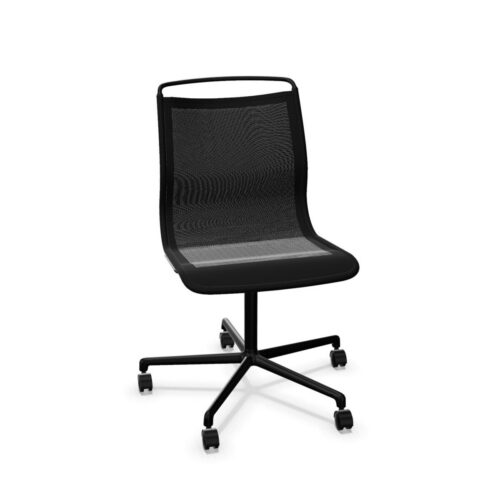
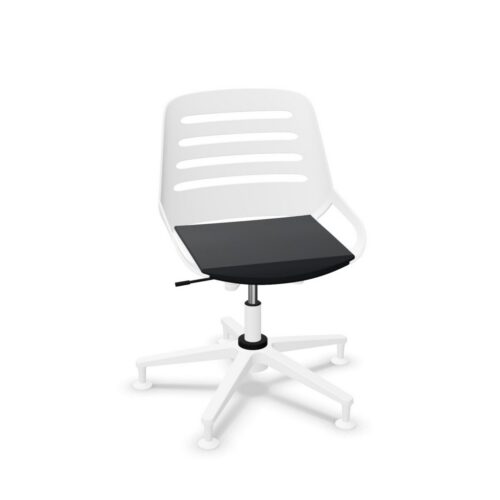
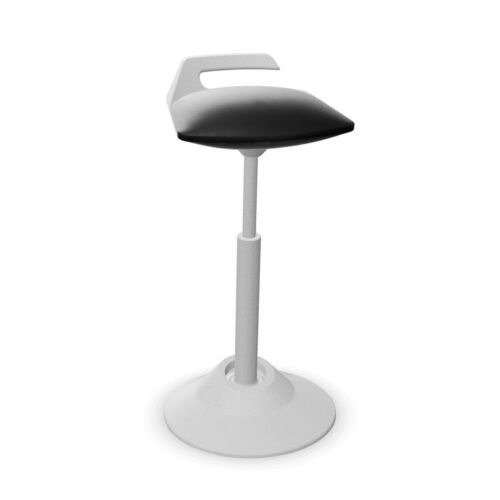
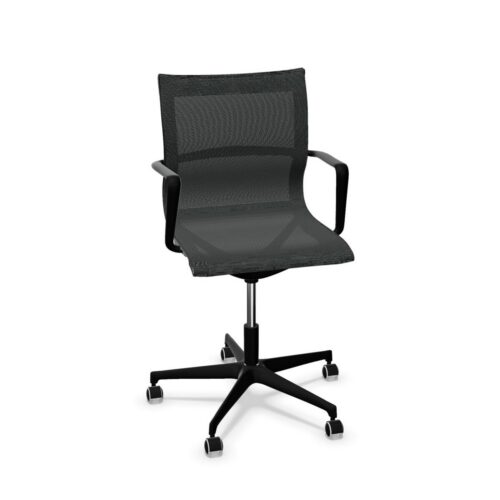
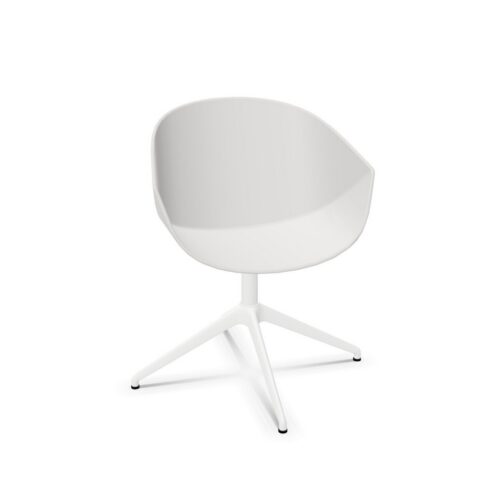
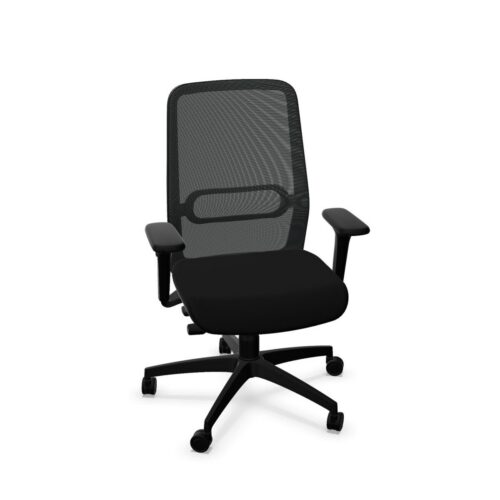
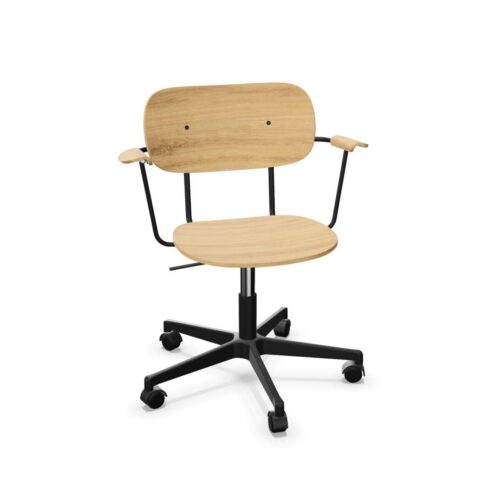
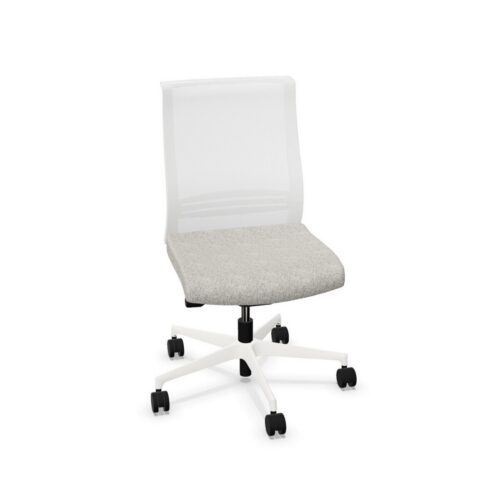
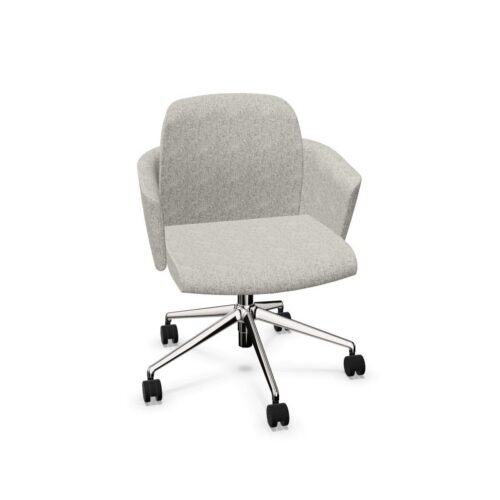
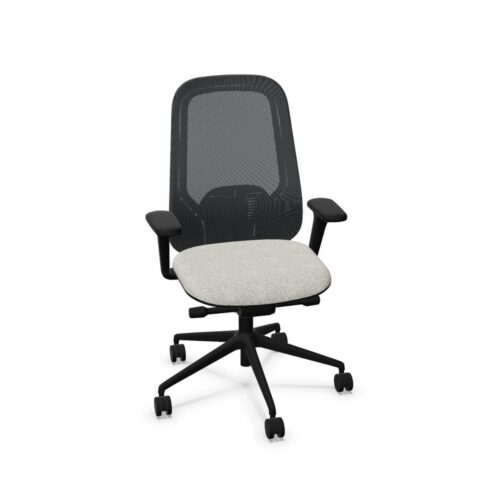
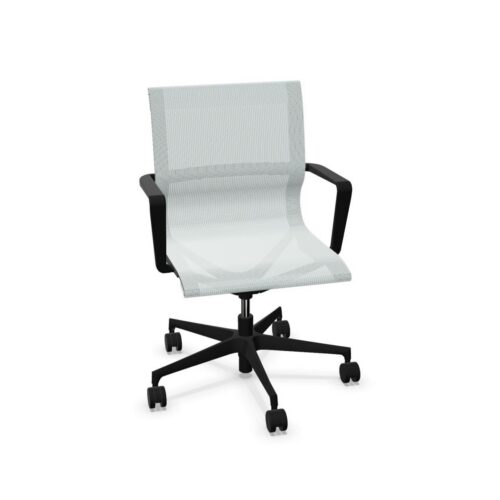
Separate the seating needs of a desk position from those of a meeting room or visitor area. Record the activity, expected users and relationship with nearby furniture. The variety of chair types represented here makes that first decision useful: the appropriate comparison depends on what the seat is expected to do.
For each role, identify the practical conditions that need checking. These may include approach to a table, adjustment between users or the position of task materials. Use those conditions to organise a trial, so that chairs are assessed against the same intended activity rather than compared through unrelated features.
Turn Optional Functions Into Clear Requirements
Seat height, seat depth and back height adjustment are present on some configurations and absent on others. Lumbar support and headrests also vary. Decide which functions are needed for the seating role, then obtain the relevant measurements and test the controls on the chair being assessed.
Mechanisms include manual height adjustment, synchronous mechanisms and configurations without a mechanism. Armrest arrangements include 4D armrests, fixed armrests and options without armrests. Examine how these choices work together at the workstation, particularly where arm position, desk clearance and the user’s distance from the surface affect the activity.
