

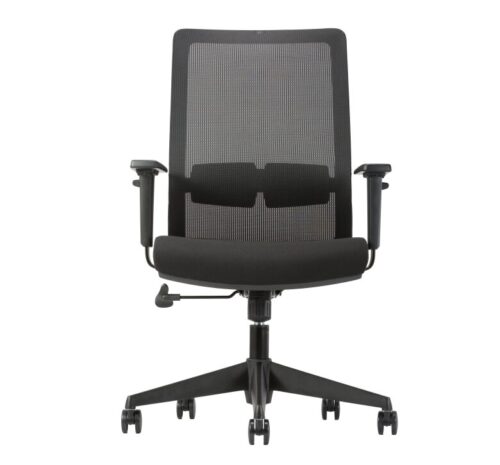
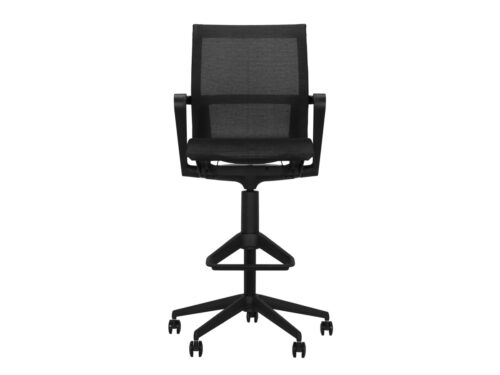
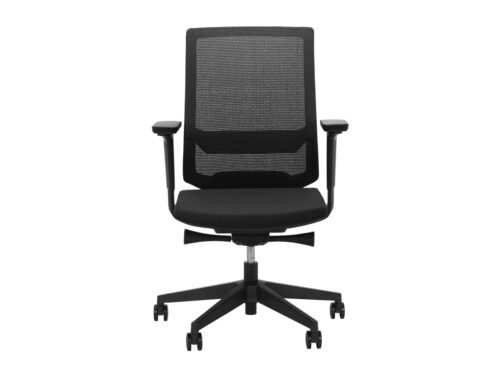
Black Office Chairs With Plastic Bases

Black office chairs with plastic bases offer a specific combination to assess without making assumptions about the rest of the chair. Black establishes the colour choice, and plastic establishes the base material. Neither fact confirms the upholstery, the base colour, the available controls or the chair’s documented performance. A useful comparison therefore starts with a clear list of workplace requirements and checks each one against the actual seating arrangement, including the space available around the intended desks.

For an office manager, the strongest practical questions concern fit, clearance and evidence. Does the base occupy a suitable amount of floor space? Are the fitted floor contact components appropriate for the room? Can intended users reach the desk and operate any controls comfortably? Office chairs should be considered as complete assemblies. Treating the plastic base as one component within that assessment allows material, appearance and everyday use to receive appropriate attention, while keeping unsupported expectations out of the decision from the outset.

€4.49 p/m
€9.00 p/m
€7.36 p/m

Define Requirements Before Comparing Base Materials

Start the review of black office chairs with plastic bases by describing the intended setting. Record desk dimensions, floor surfaces, available space and who will use the seating. These details provide a common reference for evaluating different chairs without relying on impressions about plastic construction.

Decide which performance information the workplace needs, then ask for it explicitly. Base material alone does not establish strength, expected service life, weight capacity or suitability for a particular work pattern. Review any supporting statements in their stated context, and check that they apply to the complete chair or clearly identified component under consideration.

Inspect the Base in a Real Work Area

Position a sample at an intended desk and inspect the space around the base. Check proximity to desk legs, cupboards and any adjacent chair. Include the movements involved in arriving at the desk, sitting down and leaving, rather than looking only at the parked position.

Where office chairs sit close together, repeat the assessment with the neighbouring space in use. Compare actual base dimensions instead of assuming that similar photographs indicate similar footprints. Also identify the fitted castors or glides and confirm their relationship to the floor surface. Plastic construction does not establish which floor contact arrangement is supplied.

Review Appearance Without Assuming a Base Finish

Black office chairs with plastic bases do not necessarily have black bases. Confirm the finish of the base itself if it needs to coordinate with desk frames, storage or other seating. Look at samples under the room’s lighting and from the angles people commonly see.

Consider how closely the different visible surfaces need to match. A shared colour description can coexist with differences in texture and surface appearance. Record the visual details that matter to the room scheme, while avoiding conclusions about scratch resistance, fading or other properties unless those are supported by information about the actual materials and finishes.

Give the Seated User an Equal Say

The base is only part of selecting black office chairs with plastic bases. Check the seat and back dimensions, upholstery and available adjustments independently. Ask users to complete representative desk tasks and explain any difficulty approaching the work surface or changing their working position.

For office chairs intended for shared use, include different user proportions in the assessment. Keep notes on the workstation and settings so comments remain comparable. Once the fit questions are resolved, review care instructions for the base and other components. A complete seating record should connect appearance, practical use and maintenance with the specific chair being assessed.

Plastic Base Seating: Practical Questions

Can plastic identify the expected service life?

No. The material description alone does not establish a service life. Ask for relevant evidence and guidance for the complete chair, taking account of the workplace’s intended pattern of use.

Does the colour describe every chair component?

Do not assume so. Verify the base finish and other visible details individually where a close match matters. The selected black colour does not establish a uniform finish across every component.

Which checks help with closely arranged desks?

Measure the base footprint, nearby furniture clearance and entry space for the user. A trial with adjacent workstations occupied can reveal practical restrictions that a single isolated chair assessment may miss.

Explore related selections