

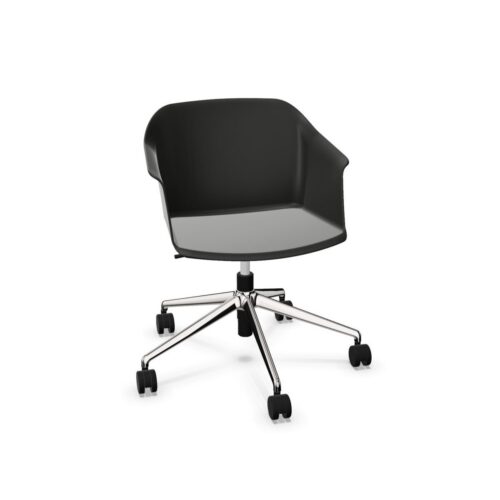
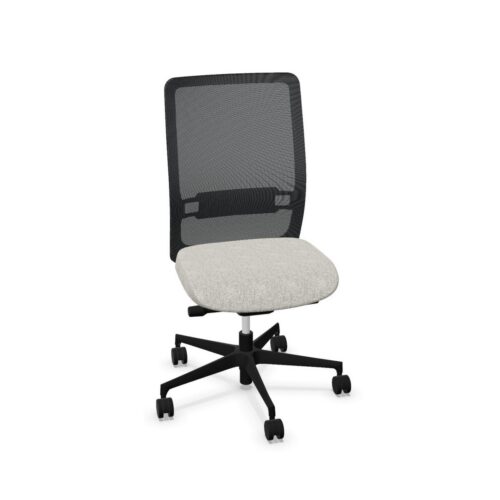
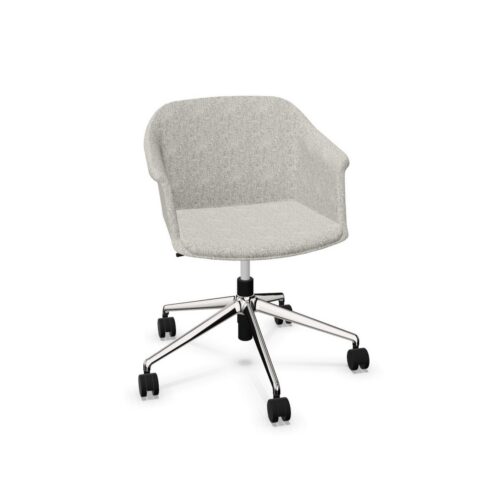
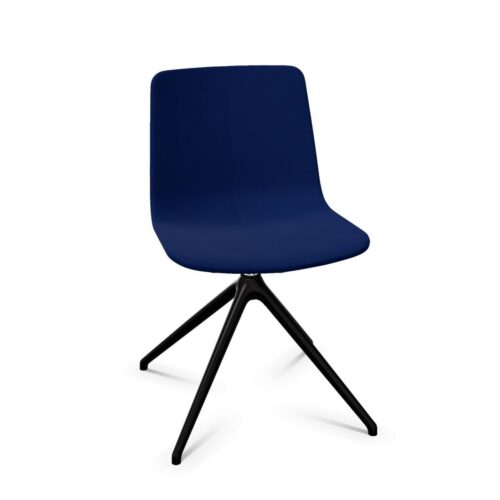
Plastic Bases For Office Chairs

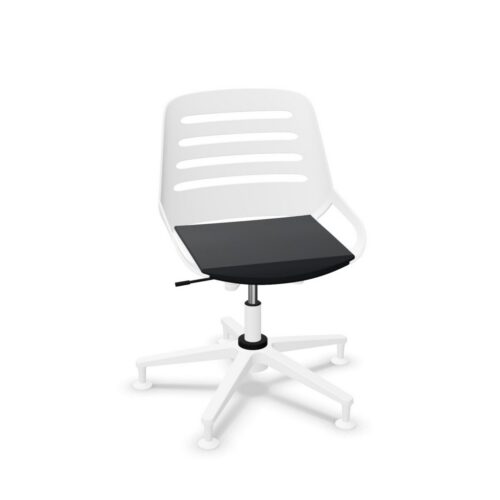
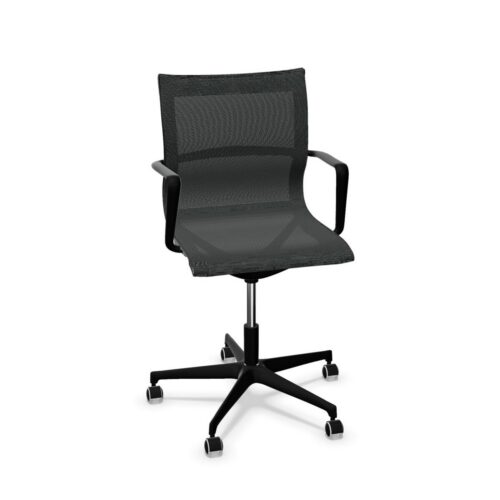
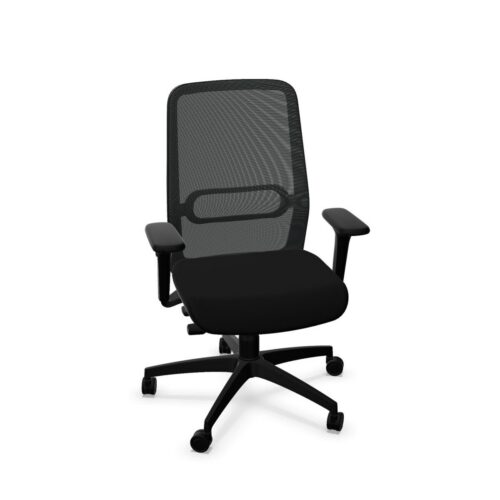
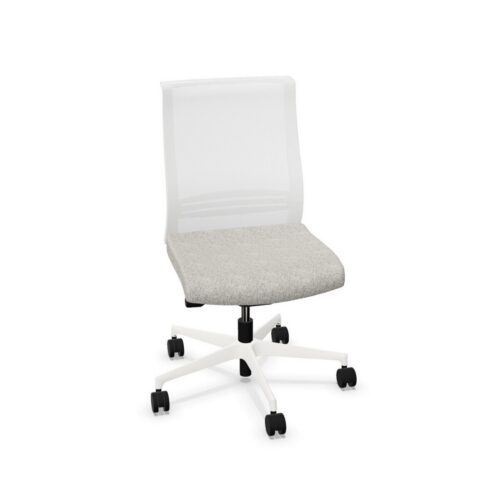
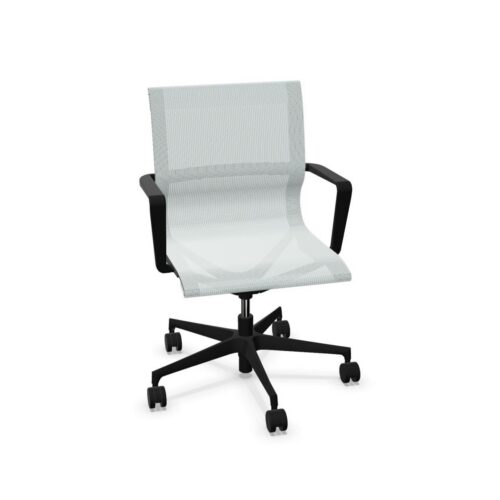
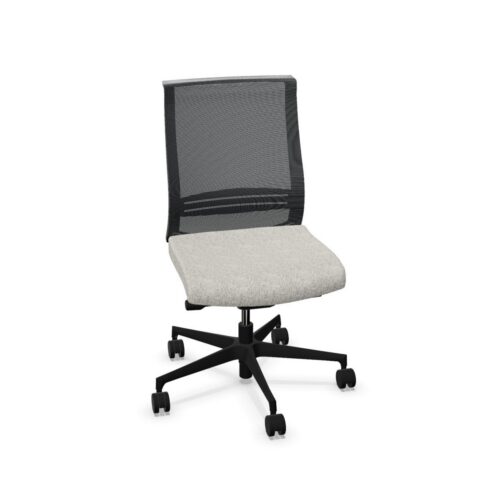
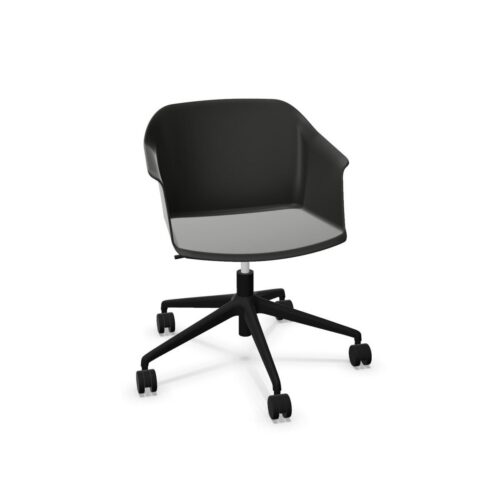
For a chair with a plastic base, the most useful starting question is how the base fits the planned workspace. Examine its footprint, the position of its floor contact components and the space it leaves beneath the seat. These details can be assessed directly, while assumptions about weight, strength or maintenance need supporting information. Plastic identifies a broad material family and does not establish the composition or performance of an individual base in the complete office chair being reviewed here.

Shared work areas make a clear seating brief particularly useful. Different people may approach the desk, position their feet and adjust the chair in different ways. Review those activities with the complete chair, then confirm any relevant load limits, inspection guidance and cleaning instructions. A plastic base should be evaluated alongside the seat, backrest and available controls. Its material is one aspect of the decision, with construction and workstation fit providing the detail needed for a meaningful comparison.

2 models
From €10.32 p/m
3 models
From €10.49 p/m
3 models
From €10.17 p/m
2 models
From €6.13 p/m
2 models
From €9.18 p/m
10 models
From €10.37 p/m
9 models
From €10.37 p/m

Use Everyday Movements To Guide Assessment

Observe how people enter and leave the workstation, turn towards equipment and move away from the desk. Check the base in those positions rather than considering only a chair placed neatly beneath a work surface. Nearby desk supports, storage and neighbouring seating all belong in the assessment. Record any constraints that affect the space available for normal chair movement.

Ask representative users to position their feet naturally while using the chair. Note the relationship between their feet, the base and any separate footrest. Where the seating is shared, include different users in the review. The plastic base description does not establish its shape or size, so these observations need to relate to the particular configuration under consideration.

Give Performance Requirements Clear Evidence

Establish the intended users and any required load limit before evaluating construction. Ask for the chair's stated limits and relevant supporting information. A plastic base should not be assigned a performance level from its appearance or material category. Any required standard needs confirmation for the complete chair configuration, including the way the base connects to the seating structure.

If material composition matters to the workplace brief, request it explicitly. Plastic alone does not identify a particular polymer, reinforcement or manufacturing method. Keep these questions separate from the requirement for a chair to perform its intended role. Material details can help describe the base, while performance evidence addresses the defined use of the complete seating assembly.

Confirm Floor Contact And Room Changes

Identify the castors, glides or other components fitted at the floor and confirm their suitability for the surface in the room. These components require their own assessment; a plastic base does not automatically indicate floor compatibility. Where chairs move between different areas, consider each relevant surface and ask for guidance that covers the proposed arrangement.

For rooms that are regularly rearranged, review the practical handling task. Request the complete chair weight and appropriate instructions if staff will lift or reposition seating. Check routes and clearance around furniture. Avoid assuming that a plastic base makes a chair easy to move, because the rest of the construction and the dimensions of the chair also require consideration.

Make Inspection Part Of Room Management

Obtain cleaning guidance for the base and any visible surface finish. Check the compatibility of products used on site before including the chair in an existing routine. Plastic does not establish resistance to cleaning chemicals or a particular method of care. The instructions should be clear enough for the people responsible for maintaining the room to apply consistently.

Agree how changes in condition will be reported and assessed. Include the base, its connection to the chair and the floor contact components in the relevant inspection routine. Follow the chair's guidance on maintenance and authorised attention. Ask about replacement components separately, since the material description alone cannot establish which parts can be replaced or how that work should be done.

Questions On Plastic Base Seating

Can plastic identify the base's exact composition?

No. It is a broad material description. Request more detailed composition information where it matters to the brief. Do not infer a particular polymer, reinforcement or construction method, and keep any required performance checks tied to the complete chair.

Is a plastic base suitable for shared use?

Suitability depends on the complete chair and the intended working conditions. Define the users, tasks and required limits, then review relevant evidence and carry out a practical assessment. The base material alone cannot establish suitability for a shared workstation.

Which details should be recorded for facilities staff?

Record the approved chair configuration, floor contact components, care instructions and inspection guidance. Include any stated limits and the process for reporting concerns. This gives the facilities team information they can use without relying on assumptions about plastic bases.

Explore related selections