

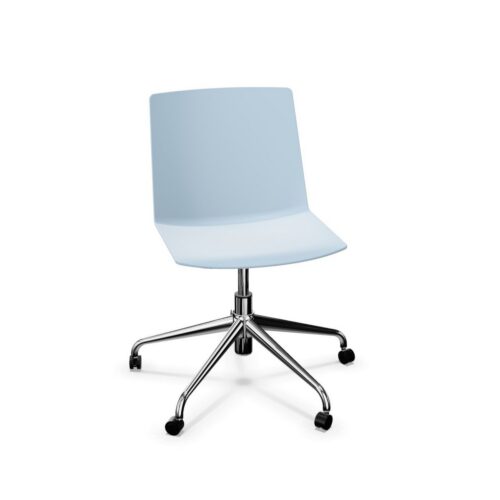
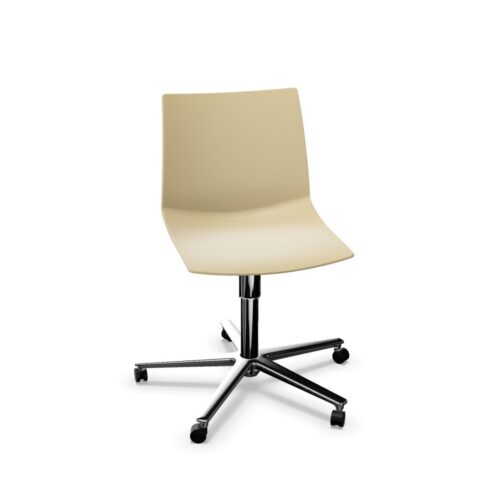
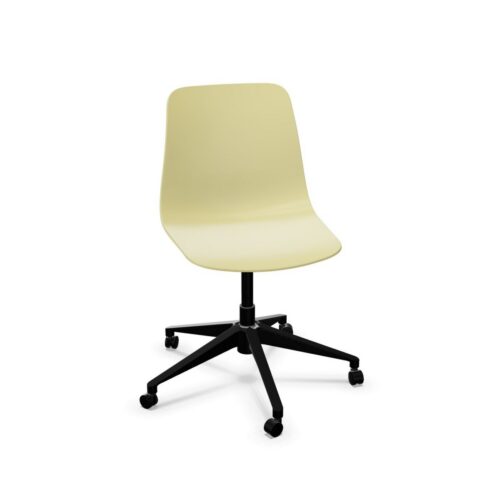
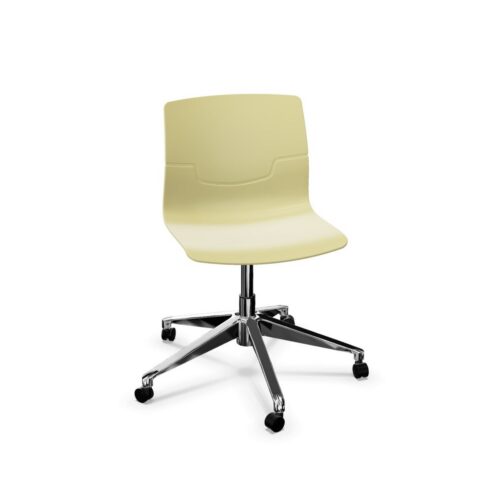
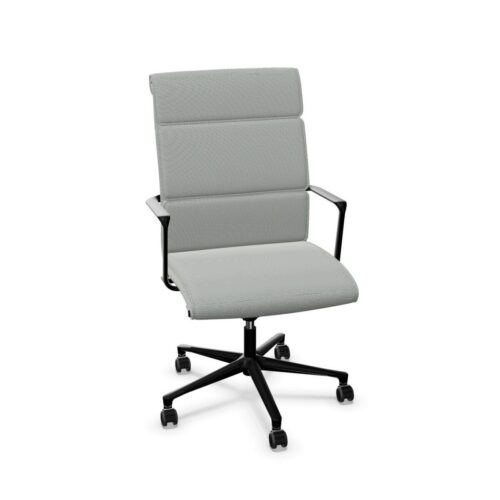
Manually Height-Adjustable Metal-Base Office Chairs

Manually height-adjustable metal-base office chairs bring two separate decisions into the same assessment: how staff set their working height and how the base fits the room. For an office manager, the useful starting point is the actual desk arrangement. Check the space beneath the worktop, the position of frequently used equipment and the floor around each workstation. A metal base identifies the material family, while manual height adjustment describes an action the user must be able to perform comfortably.

Consider those features together during a practical seating trial. Someone should be able to reach the adjustment control, establish a suitable working position and approach the desk without the base obstructing their feet. The description alone does not establish the adjustment range, base dimensions or other controls. Comparing office chairs therefore means recording these details separately, then checking how they affect the people and spaces involved. This approach gives facilities and workplace teams a shared basis for discussing suitability.

3 models
From €10.49 p/m
2 models
From €6.87 p/m
4 models
From €7.26 p/m
3 models
From €8.88 p/m
5 models
From €3.59 p/m
2 models
From €3.69 p/m
4 models
From €6.62 p/m
4 models
From €6.48 p/m
7 models
From €10.48 p/m
6 models
From €6.52 p/m
3 models
From €4.35 p/m
4 models
From €6.19 p/m
4 models
From €6.56 p/m
5 models
From €6.44 p/m
2 models
From €5.27 p/m
5 models
From €10.58 p/m
3 models
From €13.02 p/m
7 models
From €22.59 p/m
3 models
From €22.88 p/m
4 models
From €44.34 p/m
8 models
From €12.75 p/m
9 models
From €24.87 p/m
3 models
From €39.48 p/m

Begin With the Working Height

Height adjustment matters at the point where a person meets the desk. Ask each trial participant to position their feet comfortably and bring their arms towards the usual working surface. Observe the result before discussing preferences about appearance. With manually height-adjustable metal-base office chairs, access to the control belongs in the same assessment as the position achieved. Establish how the adjustment operates rather than assuming a particular handle or lifting system. Record the available movement and any instructions needed. A chair that one person can set easily still needs assessment by colleagues with different reach, stature and working habits.

Understand the Metal Base Construction

Metal is a broad material description. It does not identify the particular metal, the construction method or the surface treatment. Ask for those details when they matter to maintenance planning or an existing interior specification. Inspect connections, edges and areas that people may touch while moving around the workstation. Consider how the base occupies floor space beneath a narrow desk or beside a storage unit. The material description does not establish a load rating or a maintenance procedure. Compare the documented instructions for each chair, and make the actual base shape part of the assessment rather than judging from material alone.

Observe Movement Around Each Workstation

Map the ordinary movements associated with the role: approaching the desk, reaching a drawer, turning towards a colleague and leaving the workstation. These activities reveal clearance issues that a seated photograph cannot show. Manually height-adjustable metal-base office chairs should be assessed within the intended layout, with the usual equipment in place. Examine the points where the chair meets the floor and establish their suitability for that surface. Do not infer castors, glides or a particular movement pattern from the base material. Where several desks share a confined area, repeat the exercise with adjacent workstations occupied and bags stored as usual.

Make Shared Adjustments Easy to Repeat

For shared desks, the practical question is how reliably people can establish their own position after another person has used the chair. Invite staff to reset the height from an unfamiliar starting point. Note unclear instructions, awkward access or interference from nearby furniture. Manually height-adjustable metal-base office chairs combine a user-operated setting with a base that also needs its own physical assessment. Keep these observations distinct in your comparison notes. Record who completed the trial, which desk was used and what remained unresolved. This creates a useful reference when discussing seating across departments with different work patterns and room arrangements.

Questions About Everyday Use

Does a metal base identify the metal?

No. The description establishes a material family. Confirm the specific metal and surface treatment separately if they affect your requirements. Neither the adjustment method nor the general base description establishes those additional construction details for a particular chair.

How should staff test manual height adjustment?

Ask them to reach and operate the control themselves, then work at the intended desk. Observe both the setting process and the resulting position. Include people with different proportions rather than relying on a single trial participant.

What floor details belong in the comparison?

Record the floor surface and inspect the chair's actual contact components. Confirm their intended use through the relevant instructions. Base material alone does not tell you how office chairs will move or rest on that particular floor.

Explore related selections