











Identify What Metal Means In The Brief
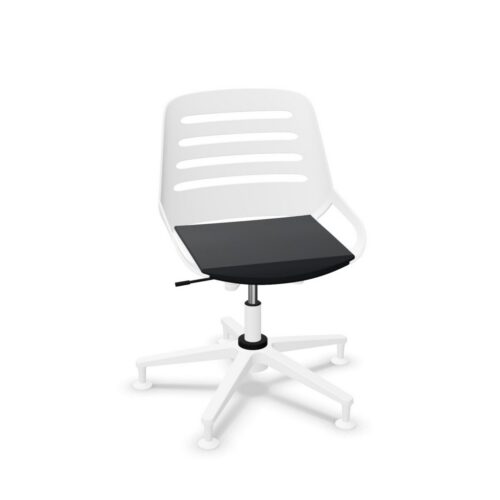
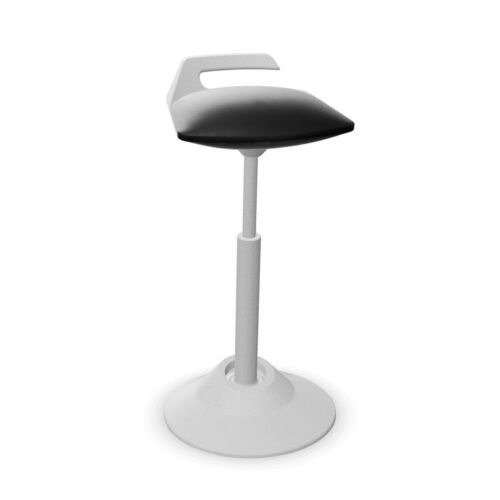
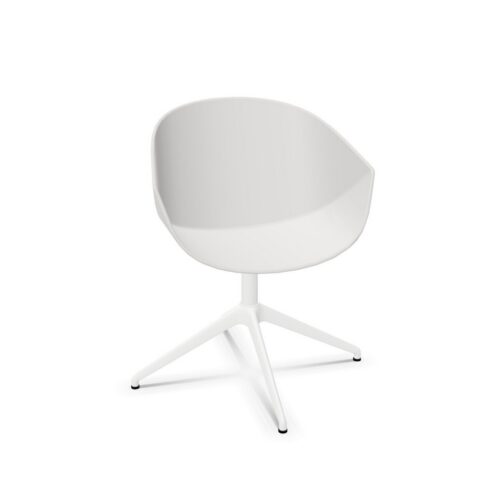
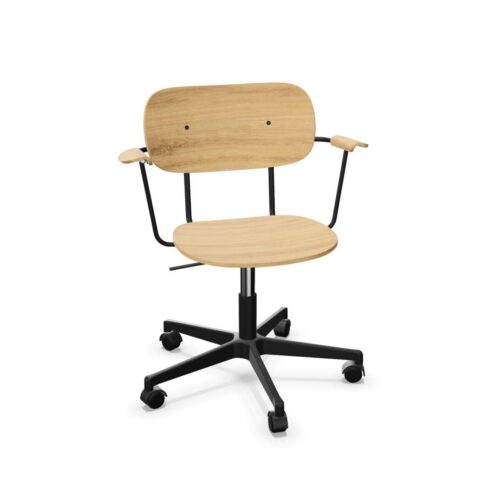
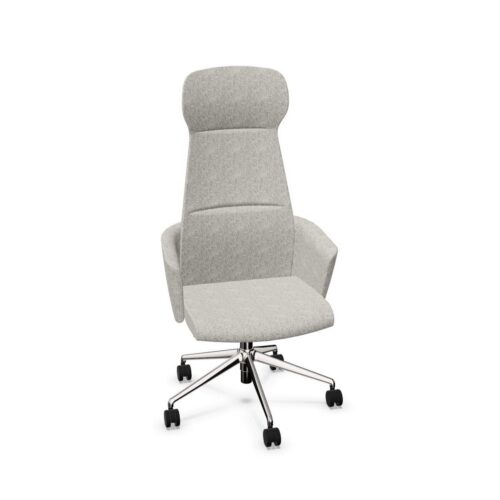
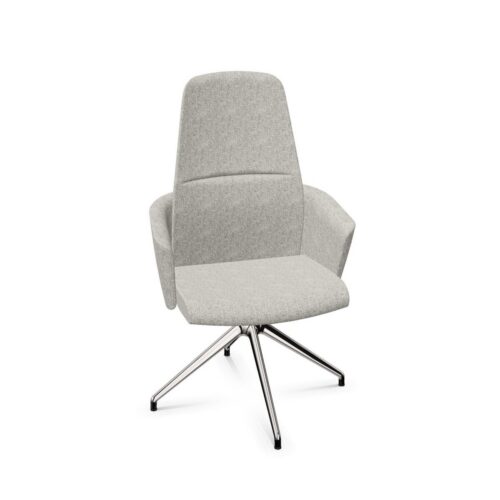
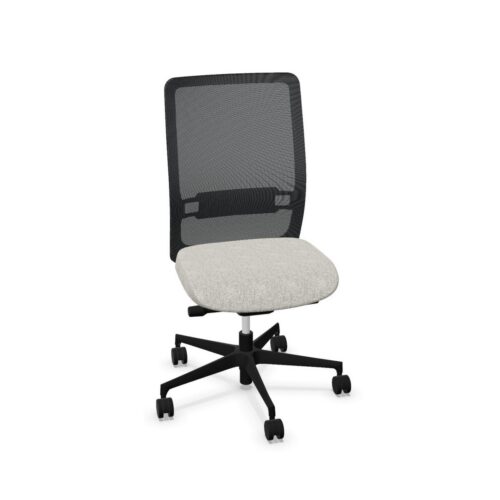
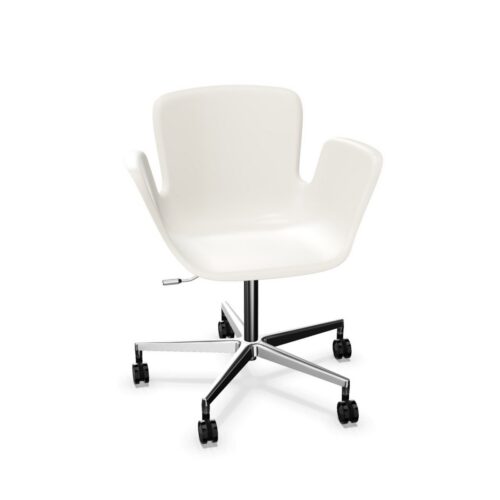
Ask which metal is used in the base and how the base is constructed. Establish whether the description applies to the complete base or particular components. This gives the specification a more precise foundation and prevents different constructions from being treated as equivalent simply because they share a broad material category. Record the information alongside the chair's other requirements.
Keep material identity separate from performance evidence. If the workplace has a defined load requirement or needs a particular seating standard, request confirmation for the complete chair. A metal base does not establish a rating by itself. The connection between the base and the rest of the chair also belongs in any relevant assessment of construction and intended use.
Map The Base Against Available Space
Review the base footprint in the actual workstation layout. Check its relationship with desk supports, storage units and neighbouring chairs. Allow for the positions people use when approaching, working at and leaving the desk. The seat can appear to fit while the base creates a different clearance requirement, so both parts should be considered during the practical review.
Ask representative users to check foot placement around the base in their usual working positions. Note where base members or floor contact components sit relative to their feet. If a footrest is needed, assess that arrangement too. These checks concern the geometry of the particular chair; the word metal cannot tell you how much usable space it leaves.
