

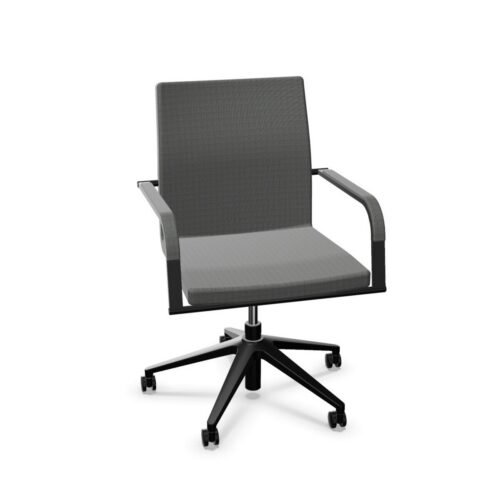
Transparent Office Chairs Without Specified Standards

Transparent office chairs without specified standards need an especially precise description before an office manager can assess them. Transparent is the stated upholstery appearance, but it does not identify the material, the construction or which parts of the chair share that appearance. Begin by clarifying those details and examining the actual seating. Avoid extending a description of the upholstery to the frame, base or complete chair without confirmation of each relevant component.

The standards position also needs clarification wherever the workplace requires supporting evidence. An unspecified standard is an absence of a stated designation, not a finding about testing or suitability. Practical assessment should therefore proceed through confirmed information: the chair’s dimensions, available functions, upholstery details and relationship with the intended workstation. Review its appearance in the actual room, then gather user observations separately. Together, these checks can establish a useful comparison while keeping uncertainty visible and preventing assumptions about transparency from becoming unsupported claims about how the seating will perform in everyday use.

2 models
From €12.83 p/m
2 models
From €35.51 p/m
3 models
From €10.09 p/m

Establish Exactly Which Surface Is Transparent

Ask for a clear description of the upholstery and identify the area to which transparent refers. Transparent office chairs without specified standards should not be treated as wholly transparent unless that has been established separately. Examine the complete chair and record the appearance of other components where relevant to the room scheme. This is a descriptive check before it is a design judgement. It gives everyone involved the same understanding of what is being assessed and avoids comparisons based on different assumptions about the seat, backrest or surrounding structure.

Assess The Appearance Against Its Background

View the seating where it is intended to stand, with the usual desk, floor and nearby furnishings in place. Consider the observed relationship between the upholstery and its background without assuming a particular optical effect from the description alone. Ask colleagues to assess the actual arrangement from normal working viewpoints. For office chairs, this contextual review should include the whole workstation rather than an isolated surface sample. Record the visual result you can observe, and distinguish it from effects or material characteristics that have not been confirmed during the assessment.

Clarify The Evidence Behind Seating Requirements

Any organisational requirement for a named standard needs its own document check. For transparent office chairs without specified standards, request relevant evidence and establish which exact configuration it covers. The absence of a stated designation does not prove that a chair has failed, passed or undergone a test. Keep these possibilities separate in the assessment record. If supporting information is unavailable, describe the requirement as unresolved rather than filling the gap with an inference based on appearance, construction assumptions or a favourable user response during a practical workplace trial.

Confirm Practical Details And Care Guidance

Request the upholstery material description before deciding how the seating should be maintained. Transparency does not establish plastic, glass or any particular cleaning method. Review the actual care instructions with the responsible team and confirm the features relevant to users at the intended desk. Compare dimensions with available space and observe ordinary tasks where possible. These checks give office chairs a practical context beyond their appearance. They also help an office manager identify which questions concern daily use, which concern maintenance and which require additional technical information before allocation.

Transparent Seating Assessment Questions

Does transparent upholstery mean the whole chair is clear?

No. The supplied description concerns the upholstery appearance. It does not establish the appearance of the frame, base or other components. Check the complete chair and clarify the scope of the description before making a room plan or comparing its visual relationship with surrounding furniture and workstation finishes.

Can the material be inferred from transparency?

No. An appearance description is not a material specification. Ask for the actual upholstery composition and applicable care instructions. Use those confirmed details when discussing maintenance, rather than assuming that the surface shares the properties or cleaning requirements of another transparent object already used elsewhere in the workplace.

How should an office manager compare these chairs?

Assess transparent office chairs without specified standards through clarified descriptions, direct observation, confirmed dimensions, user feedback and relevant documents. Keep each finding tied to its source. This creates a usable decision record while showing which aspects of the proposed seating arrangement still need an answer before final allocation.

Explore related selections