


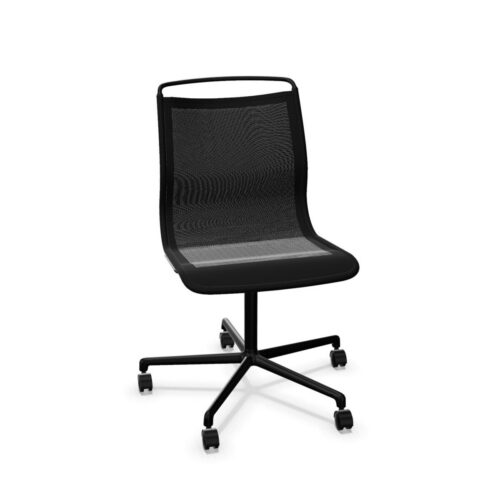


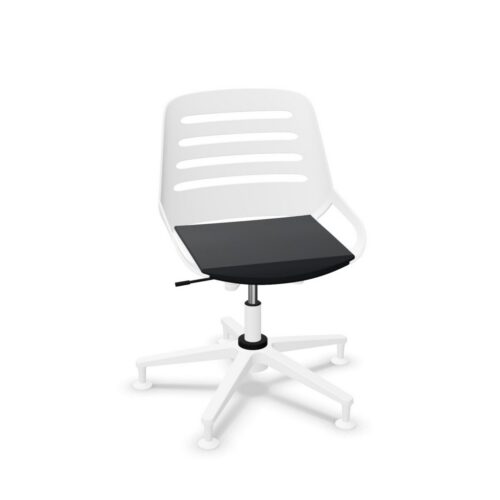


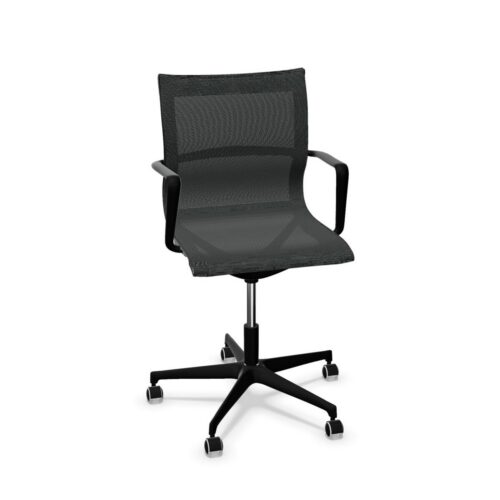


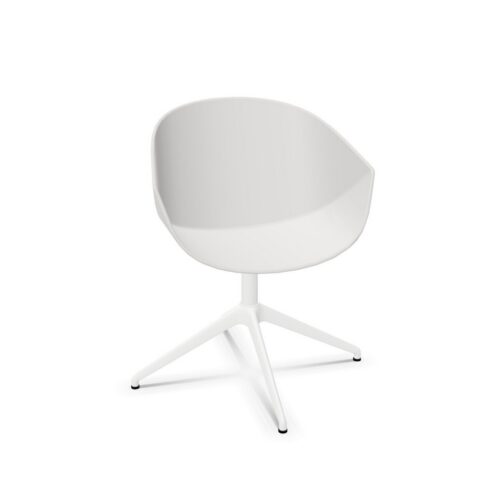





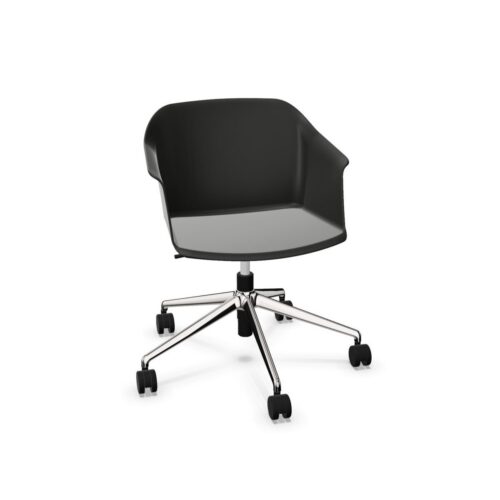
Define the Room's Activities First
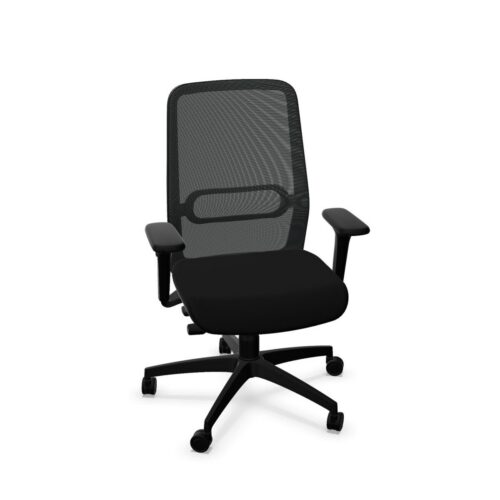
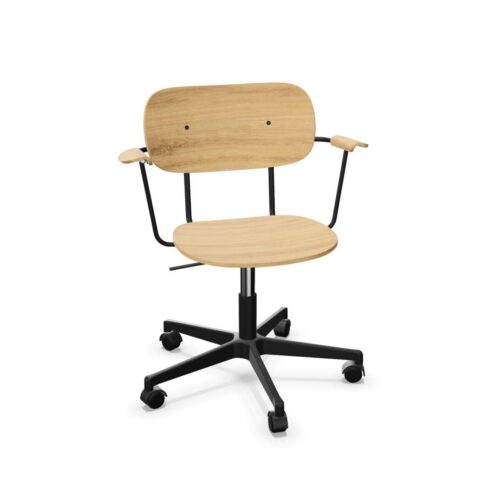
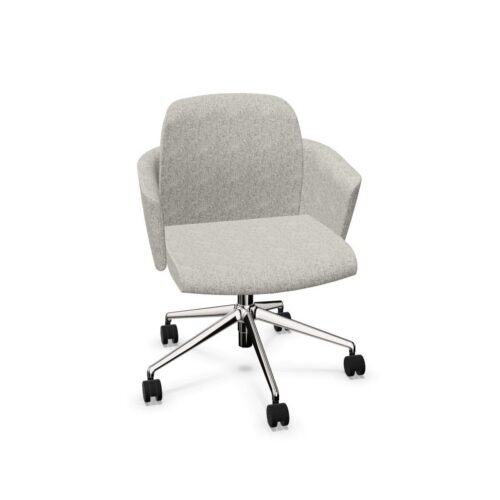
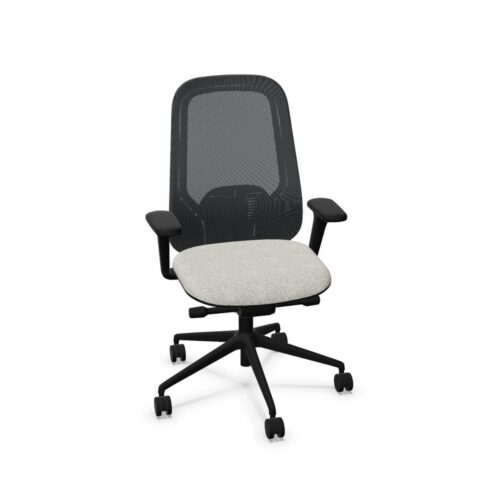
Write down what happens in the room before comparing individual chairs. Consider the working surface, the position of shared equipment and how people enter or leave their seats. Include the expected length and pattern of seated activities without assuming that a shorter meeting automatically makes any chair suitable. Fixed-height office chairs without lumbar support require a practical match to those conditions. Ask participants to perform representative actions, such as writing notes or using a laptop, rather than only sitting briefly. This establishes a clear purpose for the assessment and helps the office manager compare observations from different rooms consistently and fairly.
Check the Unchanging Seat Position
Because seat height is fixed, measure it and assess its relationship with the furniture already in place. Look at the person's feet, the space around their thighs and their reach to the working surface. Check the arrangement with the footwear normally worn in that setting. Where users vary substantially, include that variation in the trial instead of recording an average person's experience. Office chairs with fixed height need to be assigned with those differences in mind. If the furniture or an accessory is changed during assessment, document the complete revised arrangement so the result can be understood and repeated later.
