

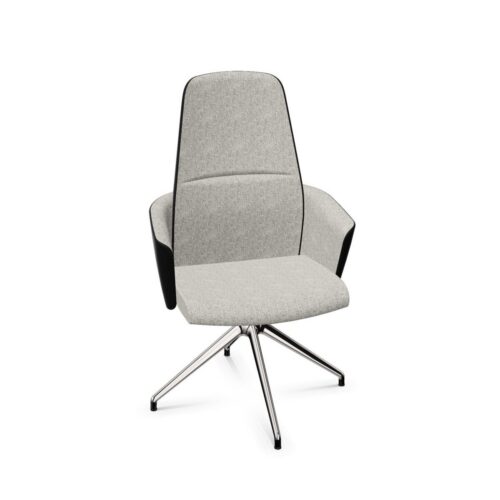
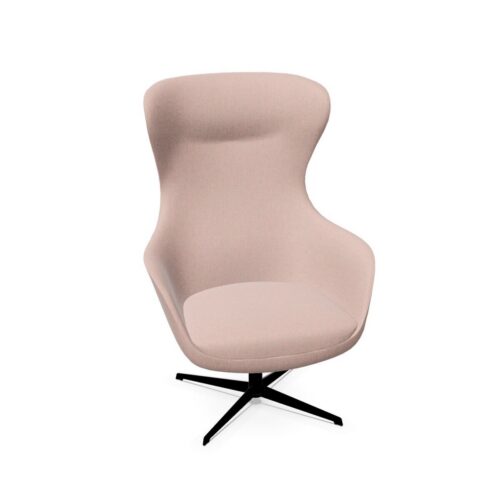
Lounge Furniture With Fixed Armrests Armrests and Metal Bases

lounge furniture with fixed armrests armrests and metal bases suits planning briefs that call for seating with a defined, fixed side arrangement. In a workplace lounge used for conversation, the armrests become part of the permanent outline around each seating position. The metal base is another element to consider when deciding how the group sits within the room and how people approach it.

Plan around the furniture as it will be used, with the fixed armrests included from the beginning. Their position matters when seats face one another, sit beside a shared table, or border a circulation route. Assess access from the front and at an angle, since the route into a seat may differ from the route through the lounge. Coordinate the metal bases visually, while evaluating each piece’s actual outline and relationship to neighboring seating.

3 models
From €30.91 p/m
2 models
From €36.84 p/m
3 models
From €27.02 p/m
4 models
From €17.07 p/m
7 models
From €66.27 p/m
4 models
From €33.37 p/m
5 models
From €43.95 p/m
2 models
From €52.93 p/m
4 models
From €84.08 p/m
3 models
From €7.28 p/m
2 models
From €34.03 p/m

Arranging lounge furniture with fixed armrests armrests and metal bases

Begin with the conversation pattern the room needs to accommodate. A facing arrangement creates different approach routes from a group placed at right angles. Sketch those routes before deciding where each seating position belongs. Fixed armrests remain part of the side boundary, so allow for them wherever someone turns into or out of a seat. Include the metal base in the same assessment. A plan should show the complete furniture outline and the intended circulation around it, giving equal attention to the places at the center and edges of the group.

Position shared surfaces around the seating

In a conversation setting, the relationship between a seat and a nearby table deserves a separate review. Check the actual reach from the seated position and how the fixed armrest relates to the table's edge. A surface that looks aligned in a drawing may not suit the intended activity. Consider whether people will set down a drink, refer to a document, or keep personal items nearby, then assess the arrangement accordingly. Preserve an approach to each seating position. Avoid allowing the shared surface to become an obstacle across the route into the group.

Use the base to organize visual repetition

With lounge furniture with fixed armrests armrests and metal bases, repetition can be considered at both seat and floor level. Review how the fixed arms outline the group, then look at the rhythm created by the visible bases. Compare their actual forms and finishes before deciding how closely the pieces should correspond. Metal alone does not describe the entire visual result. Assess the composition from a nearby work area as well as from within the lounge. The aim is a considered relationship among the seating, its surroundings, and the routes that connect them.

Evaluate the fixed arrangement in use

Review entry and exit with neighboring places occupied. Pay particular attention to an inner seat, a seat beside a wall, and any place approached around a corner. Assess whether someone can reach the intended position without crossing another person's immediate seating area. Where the lounge borders a working route, keep the group distinct from passing movement. Include personal belongings in the review so that the circulation plan reflects likely use. Document the agreed orientation of the seating and any placement constraints created by the fixed arms, rather than relying only on a general room sketch.

Frequently asked questions

How do fixed armrests affect a facing layout?

They establish a side boundary that needs to be included in the approach to each place. Review front and angled access, particularly where a shared table sits between facing seats or where another seat is positioned alongside.

Can the table be planned after the seating?

It is better to assess them together. The relationship between the table edge, fixed armrest, and seated position affects reach and access. Review the intended activity before settling the position of either element within the group.

What is most useful to compare first?

For lounge furniture with fixed armrests armrests and metal bases, start with the complete seating outline and approach routes. Then compare the visible metal bases and how their appearance relates to the rest of the conversation setting.

Explore related selections