



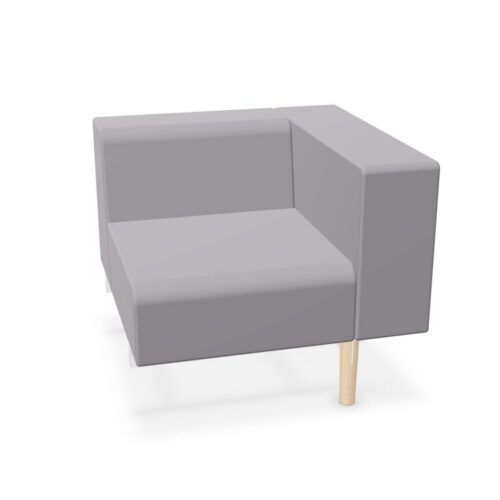
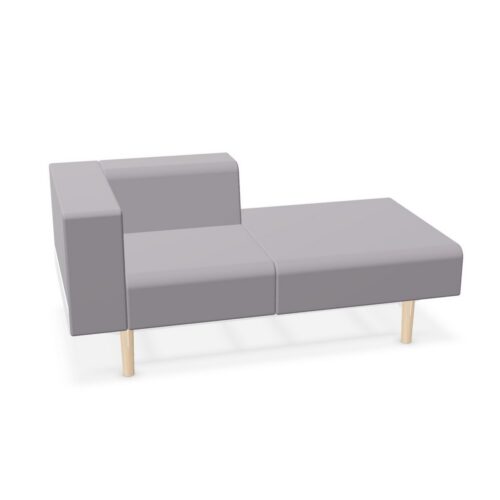


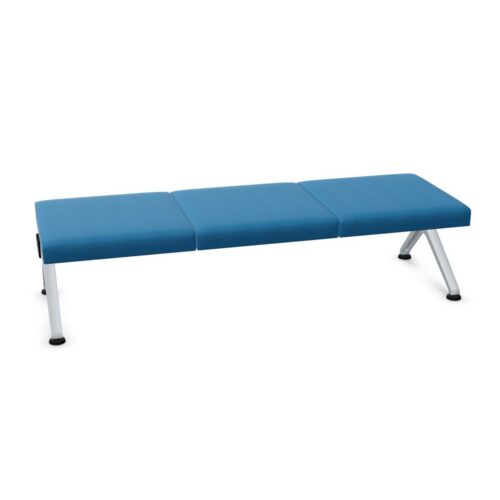
Reviewing lounge furniture with fixed armrests armrests and silver bases
Begin with the permanent outline created by the fixed arms. Decide which sides of the seating should frame the group and which should face the surrounding room. This establishes the arrangement before the silver appearance becomes a deciding visual detail in the comparison.
Trace how people reach each available place. A fixed arm remains a side boundary, so the intended approach should not depend on treating that edge as open. Review the layout from both the main entrance and any secondary route that brings people toward the seating.
Give the silver appearance a clear role
Decide whether the bases should create continuity with nearby details or stand as a separate visual element. Compare the actual silver appearance with the surrounding finishes before making that choice. The designation alone does not establish a particular level of shine, decorative treatment, or underlying material.
Consider visibility as part of the decision. A base seen across an open lounge may contribute more strongly to the composition than one viewed only at close range. Assess the proposed placement under the room's lighting, keeping the comparison focused on what can actually be observed.
Compare the complete arrangement consistently
Use the same room plan and principal viewpoints when assessing alternatives. This keeps attention on meaningful differences in arm outline, base visibility, and the relationship between seats. Include the view from adjacent routes, since fixed arms and silver bases may read differently from an angle.
Finish by reviewing the group as a visitor would encounter it. The seating area should have an understandable boundary and a clear approach to its available places. Its silver details should also relate intentionally to the interior, with no assumption that appearance establishes construction or additional furniture features.
