

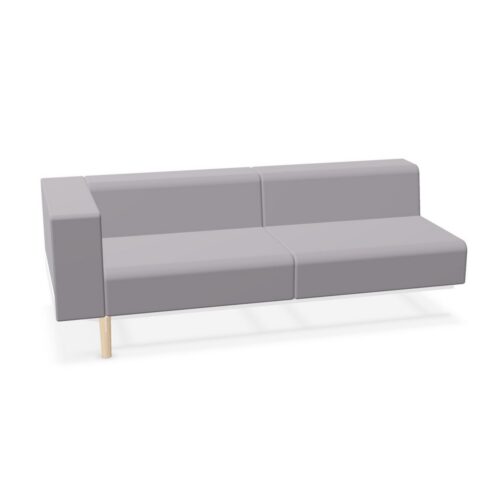

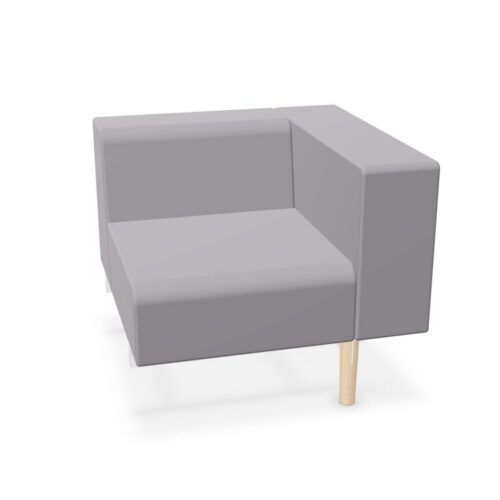
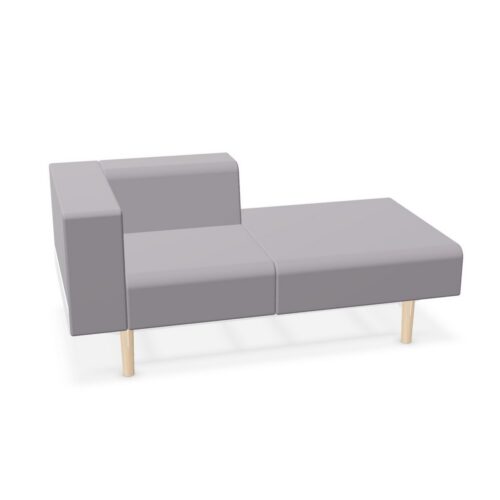
Lounge Furniture With Fixed Armrests and Wood Bases

lounge furniture with fixed armrests armrests and wood bases brings defined seating edges together with a wood base for reception areas, office lounges, and informal meeting spaces. The combination deserves attention at both seat level and floor level: fixed armrests establish the sides of the seat, while the base contributes to the furniture’s relationship with the surrounding interior. Plan the arrangement around how people approach, sit, and leave, particularly where seating stands beside a main route.

Start by deciding whether each seat should read as an individual place or form part of a larger conversation group. Fixed armrests make the ends of the seating especially relevant to that decision. Then compare the visible shape and appearance of the wood bases with nearby architectural details. A coordinated arrangement can use related visual cues without requiring every element in the room to match.

2 models
From €47.46 p/m
€36.84 p/m
3 models
From €27.02 p/m
4 models
From €17.07 p/m
8 models
From €32.51 p/m
2 models
From €52.93 p/m
3 models
From €7.28 p/m
2 models
From €34.03 p/m
2 models
From €25.28 p/m
3 models
From €42.33 p/m
7 models
From €22.84 p/m
3 models
From €26.33 p/m
9 models
From €25.45 p/m
6 models
From €41.85 p/m

Planning lounge furniture with fixed armrests armrests and wood bases

Begin with the way visitors enter the lounge. A fixed armrest creates a permanent side boundary, so the direction of approach matters when placing seating beside a doorway or circulation route. Position the furniture so its intended entry point is apparent and people do not need to negotiate an awkward corner.

Consider the whole group from the entrance as well as from within it. The arms define the seating above, while the wood bases establish a separate visual rhythm below. Check whether those elements help the group read clearly, especially where several seats face one another across an open central area.

Give the seat ends a clear role

Seat ends can face a route, frame a conversation area, or sit beside another furnishing. Decide which relationship matters before arranging the furniture. Fixed arms remain part of that boundary in every arrangement, so avoid treating the space immediately beside them as an interchangeable extension of the seat.

For a reception setting, examine how someone carrying personal belongings would approach an available place. For an informal meeting area, consider whether participants can enter and leave without interrupting the group. These observations provide a more useful basis for selection than judging the front view of the furniture alone.

Coordinate the wood base with the room

When comparing lounge furniture with fixed armrests armrests and wood bases, distinguish material continuity from exact visual matching. A wood base may relate to other wood elements in the room, but the selected material alone does not establish a particular color, surface appearance, or decorative treatment.

Review the actual base alongside the floor and adjacent finishes. Look at how much of it remains visible from the main viewpoints and whether its shape appears restrained or prominent within the arrangement. Let that observation guide the visual emphasis instead of assuming all wood bases create the same interior effect.

Test a complete seating arrangement

Evaluate the furniture as part of a specific layout. Include entrances, shared routes, and the places where people naturally pause before sitting. Fixed armrests may make a composition feel clearly divided into individual seats, but whether that suits the space depends on the intended social setting and the seating design.

Use a simple room plan to compare alternatives, then review the arrangement from the perspective of a first-time visitor. Keep the distinction between seating edges and circulation easy to understand. The strongest selection is one whose fixed sides and visible wood bases both support the planned composition of the room.

Frequently asked questions

Can fixed-arm seating sit beside a main route?

Yes, provided the route and the intended approach to the seat remain clear. Assess the complete furniture outline and how people enter the seating group, rather than considering only its position against a wall.

Must the wood base match other wood exactly?

No. Compare the actual appearances together and decide if you want a close relationship or a deliberate difference. The shared material can inform the composition without requiring identical visual treatment throughout the lounge.

What should determine the final comparison?

Assess lounge furniture with fixed armrests armrests and wood bases through its seat boundaries, approach direction, and relationship with the floor. Those considerations connect the selected attributes directly to the room's intended arrangement.

Explore related selections