

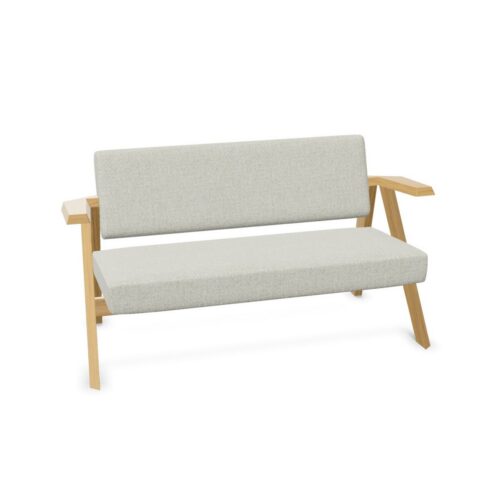
Era Lounge Furniture With Fixed Armrests

lounge furniture with fixed armrests armrests and era upholstery combines a defined arm arrangement with selected upholstery for workplace lounge settings. It is particularly relevant when the seating layout needs a clear relationship to nearby activities, such as informal discussion, visitor waiting, or a pause between meetings. Fixed arms remain part of the furniture outline, making their position important when reviewing approaches and neighboring tables.

Develop the arrangement around the purpose of the area rather than the upholstery designation alone. Consider where people face, how a new arrival joins them, and which route remains available around occupied seats. Review the actual Era upholstery appearance together with the seat, back, and arm profiles. Composition, care, and any additional characteristics need separate confirmation. The resulting plan should connect the selected combination with specific workplace activities and the practical movement of people through the lounge.

5 models
From €64.42 p/m
29 models
From €20.36 p/m
2 models
From €34.01 p/m
17 models
From €4.61 p/m
2 models
From €52.20 p/m
6 models
From €24.52 p/m
6 models
From €15.72 p/m
2 models
From €23.12 p/m
3 models
From €25.42 p/m
4 models
From €22.98 p/m
4 models
From €19.72 p/m
4 models
From €26.12 p/m
6 models
From €11.79 p/m
3 models
From €20.83 p/m
6 models
From €26.88 p/m
4 models
From €30.59 p/m
10 models
From €7.44 p/m
6 models
From €20.71 p/m
4 models
From €27.18 p/m
3 models
From €31.06 p/m
2 models
From €28.93 p/m
2 models
From €35.34 p/m
3 models
From €28.60 p/m
2 models
From €31.27 p/m

Zoning with lounge furniture with fixed armrests armrests and era upholstery

A lounge can sit beside several workplace activities without serving all of them in the same way. Start by identifying its primary purpose and the boundaries between seating, conversation, and circulation. Use the furniture arrangement to make those relationships understandable from the main approach.

Fixed armrests contribute to the complete outline that occupies the room. Review the arms alongside the seat and back when deciding how the lounge meets adjoining space. Their fixed position matters at the edges of a group, where someone may pass, turn toward a seat, or join people already using the area.

Choose Orientation Before Final Placement

Decide what occupants need to face. A discussion area may call for seats directed toward one another, while waiting places may need a clear view toward a doorway or host. Test these relationships against the actual room before refining the visual arrangement.

For lounge furniture with fixed armrests armrests and era upholstery, consider how the arm outlines interact when seats turn toward each other. The relationship between pieces should support the intended activity without leaving the approach unclear. Review an occupied setting as well as an empty one, including someone arriving while others remain seated. This gives a more useful basis for placement than appearance alone.

Bring Upholstery and Form Into the Same Review

The Era upholstery designation identifies a selected element of the combination, but the actual appearance needs direct assessment. Compare its color and visible surface with the room, then review how it works across the full furniture form. The seat, back, and fixed arms should be considered together.

A coordinated lounge can use repetition in upholstery appearance, seating orientation, or the relationship between pieces. Decide which of these matters most to the interior brief. Avoid assuming a particular composition or performance characteristic from the upholstery designation. Visual decisions and verified specifications should inform one another while remaining distinct parts of the selection process.

Review Shared Tables and Daily Routines

Establish what nearby tables are intended to do before fixing their position. Consider who needs to reach them and how they affect the route into each seat. Fixed arms remain in place during these movements, so the table and seating should be assessed as a relationship.

Walk through a typical use sequence with the people responsible for the workplace: arrival, sitting, conversation or waiting, and departure. Include personal belongings without assuming dedicated furniture features. Confirm the care guidance relevant to the actual upholstery and seating. This review connects the interior arrangement with daily operation and helps resolve details that cannot be established from arm configuration and upholstery designation alone.

Frequently Asked Questions

How can the lounge mark a separate activity area?

Use deliberate orientation and placement in relation to neighboring activities. Assess the complete seating outline and occupied space, keeping the main approach and route around the lounge understandable.

Why review tables with the fixed arms in place?

The arms remain part of the seating outline during use. Table position therefore needs to be assessed alongside the actual arm profile, seated reach, and route into or out of the seat.

What should a final workplace review include?

For lounge furniture with fixed armrests armrests and era upholstery, review orientation, group access, table relationships, and actual upholstery appearance. Confirm relevant care information and assess the complete seating position directly.

Explore related selections