

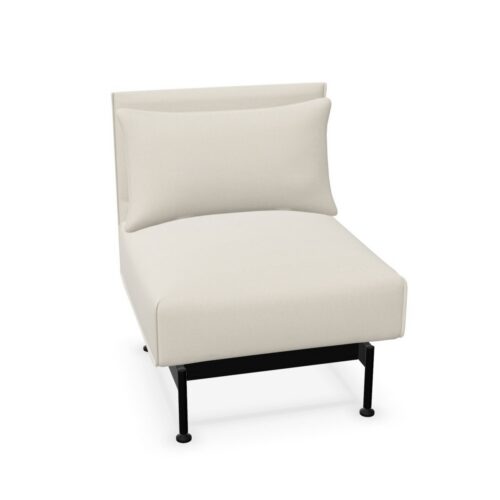
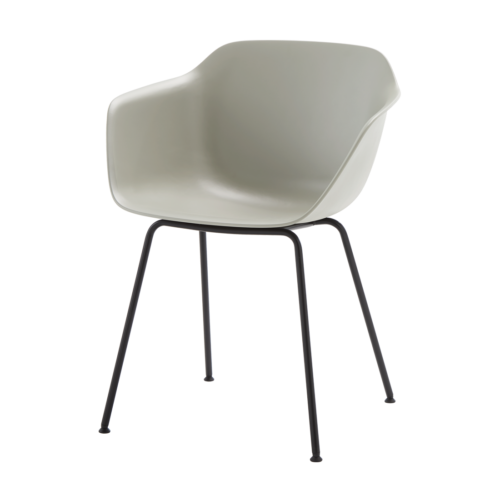
Lounge Furniture With No Armrests and Era Upholstery

lounge furniture with no armrests and era upholstery brings an armless seating outline and a specific upholstery choice into the same workplace setting. This combination is relevant when a lounge needs seating with open sides while following an Era upholstery brief. Start with how people will enter the area, where they will face, and which neighboring activities the arrangement should acknowledge. The absence of armrests changes the seat boundary, so placement deserves attention alongside the upholstery decision.

For reception lounges, informal meeting areas, and shared waiting spaces, consider each seat within the complete arrangement. Open sides should relate clearly to circulation routes, adjacent seating, and any nearby surface. Coordinate Era upholstery through an agreed reference rather than assuming its name establishes a particular color or composition. This keeps the planning discussion focused on the selected combination while leaving individual furniture details to be checked separately.

4 models
From €44.46 p/m
2 models
From €12.52 p/m
2 models
From €26.24 p/m
4 models
From €20.07 p/m
2 models
From €20.36 p/m
3 models
From €22.22 p/m
€25.73 p/m
2 models
From €12.97 p/m
3 models
From €16.82 p/m
3 models
From €17.87 p/m
2 models
From €16.82 p/m
2 models
From €7.12 p/m
2 models
From €22.22 p/m
29 models
From €20.36 p/m
2 models
From €29.19 p/m
10 models
From €32.06 p/m
15 models
From €17.67 p/m
17 models
From €4.61 p/m

Planning Lounge Furniture With No Armrests and Era Upholstery

An armless arrangement needs a clear relationship between the seats and the room around them. Establish the main direction of approach before deciding where seating should face. An open side beside a walking route may read differently from an open side facing another seat. Review those relationships from the entrance and from a seated viewpoint. Era upholstery provides the specified upholstery reference for this exercise, while the absence of armrests establishes the lateral outline. Neither attribute determines the shape of the back, the seating position, or the way separate pieces relate, so assess those details individually.

Give Open Sides a Clear Role

Decide whether the lounge should invite interaction across an arrangement or establish distinct places to sit. Armless furniture can be positioned for either intention, but the surrounding layout must make that intention legible. Consider the orientation of neighboring seats and the position of personal belongings during a visit. When assessing lounge furniture with no armrests and era upholstery, avoid treating an open side as spare circulation space. Review the complete occupied arrangement, including people approaching, sitting, and leaving. Keep the route through the lounge understandable even when every intended seating position is in use.

Coordinate Era Upholstery Across the Room

Use the Era upholstery reference consistently in the project brief, then compare the actual appearance of the proposed furniture in its intended setting. The name alone does not establish color, surface character, or composition. If upholstery coordination is central to the room, review an appropriate sample alongside the surrounding visual scheme under the planned lighting. Consider how much of the upholstery will be visible from the entrance and from nearby work areas. An armless outline exposes different edges of the seating form, making these viewpoints useful when judging the overall relationship between furniture and room.

Review the Arrangement Before Final Selection

Record the proposed seat orientation, neighboring objects, and main circulation route together. This makes it easier to assess whether the armless outline serves the intended use rather than simply repeating a preferred appearance. Check the individual furniture information for the back profile, base arrangement, and any other details that affect placement. Keep those checks separate from assumptions about Era upholstery. Where an existing lounge is being extended, compare the new arrangement with the established seating positions and visual references. A consistent upholstery brief can support coordination, but it does not establish that separate pieces connect or share the same form.

Frequently Asked Questions

Where should the open side face?

Relate it to the intended approach and conversation direction. Review whether the open side faces another seat, an adjacent surface, or a walking route. The best position follows the room's use and the individual furniture form.

Does Era identify a specific color?

Do not infer a color from the upholstery name alone. Use the confirmed upholstery reference and an appropriate sample when color coordination matters. Review that reference alongside the room's lighting and surrounding visual scheme.

Can this combination define separate seating places?

Yes, an arrangement of lounge furniture with no armrests and era upholstery can establish distinct places through orientation and spacing. Assess the complete layout, because the absence of armrests does not determine how seating positions should be organized.

Explore related selections