



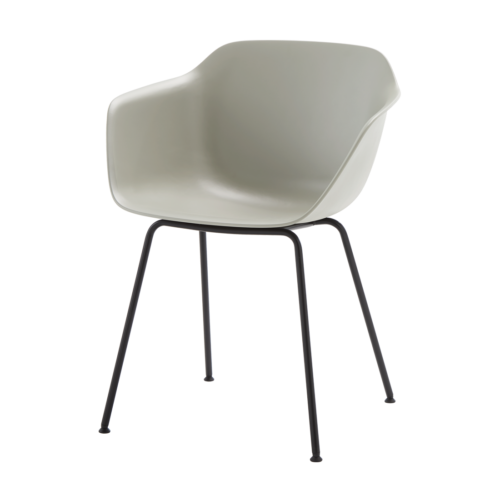

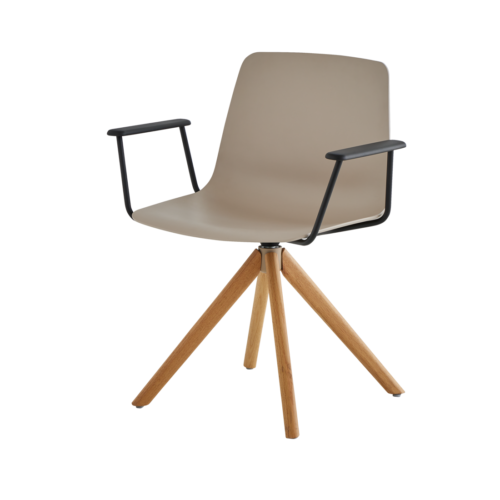
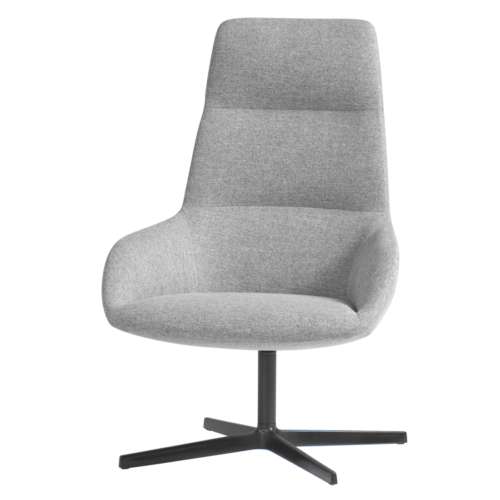
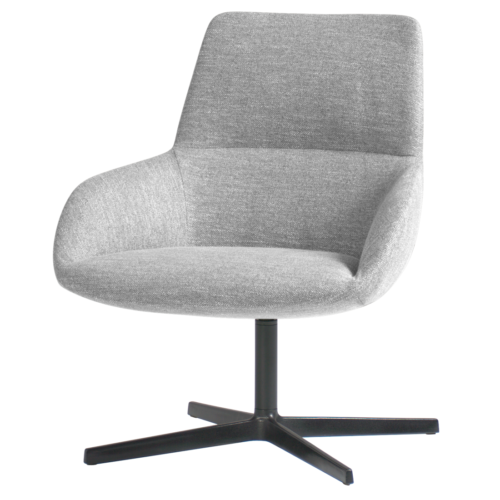
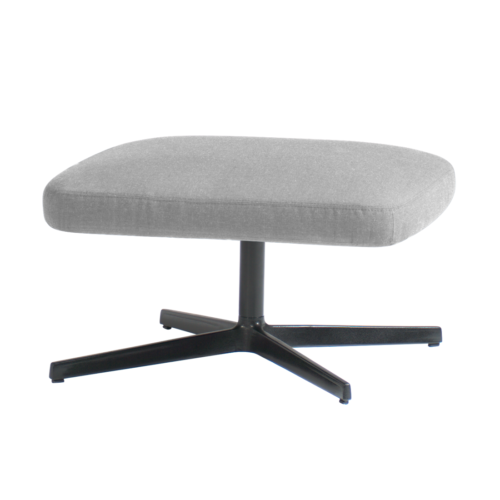

Viewing Lounge Furniture With Beige Bases and Aluminium Bases
Start at the main entrance and observe how the base contributes to the complete furniture outline. Beige may sit close to neighboring neutral colors or create a visible difference; the effect depends on the actual shade and background. Record what remains visible from this first approach.
Move to the side and rear views next. Open lounge arrangements expose more of the furniture than wall-based arrangements do. Assess whether the base maintains the intended relationship with the room as the background changes, particularly where adjoining areas use different colors.
Compare the Support With the Seat Above
The base and seat should be assessed as a visual relationship. Look at how the support meets the seating form, how far its outline is exposed, and whether it becomes a prominent element in the composition. These observations are more useful than assuming a particular appearance from aluminum alone.
Apply the same review to every piece intended for a group. Different seating forms may reveal different amounts of base. Decide whether those differences contribute to a coherent arrangement or introduce visual emphasis in places where the room brief does not call for it.
Coordinate Beige Across Connected Areas
When lounge furniture with beige bases and aluminium bases appears in several connected areas, review the beige relationship across all of them. A single base color can encounter different floors, wall colors, and lighting conditions. Check each setting rather than extending the first assessment automatically.
Use a common set of visual references to keep the discussion consistent. Record whether the intention is a close tonal relationship or a clearer outline against the background. That distinction helps the team assess the same furniture thoughtfully even when its immediate surroundings vary within the building.
