



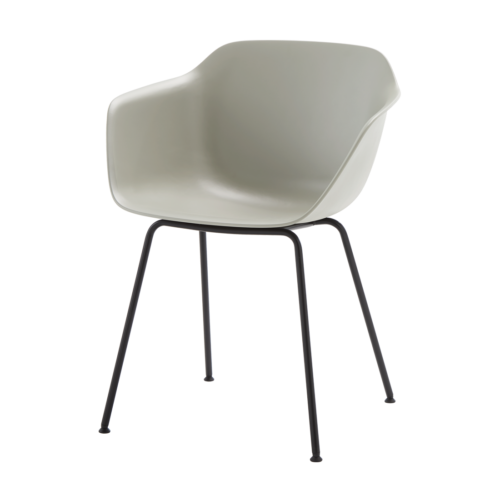

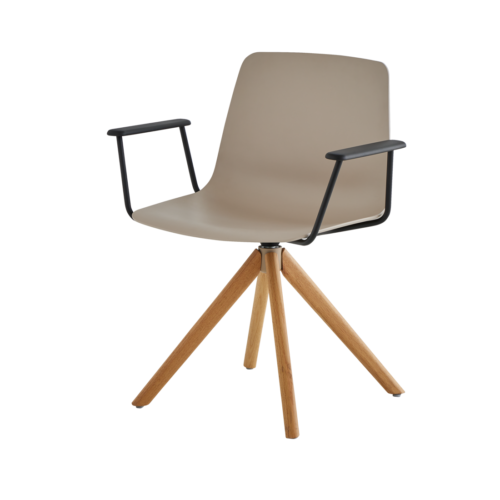
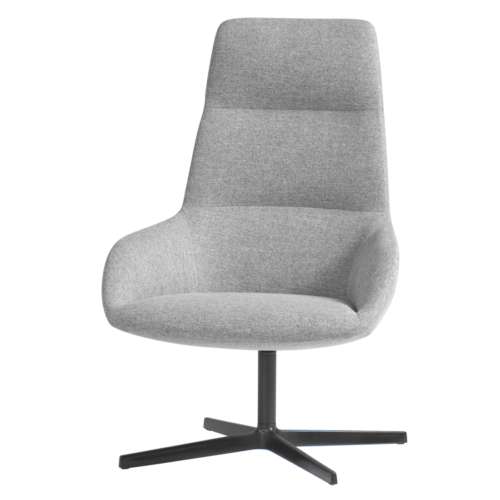
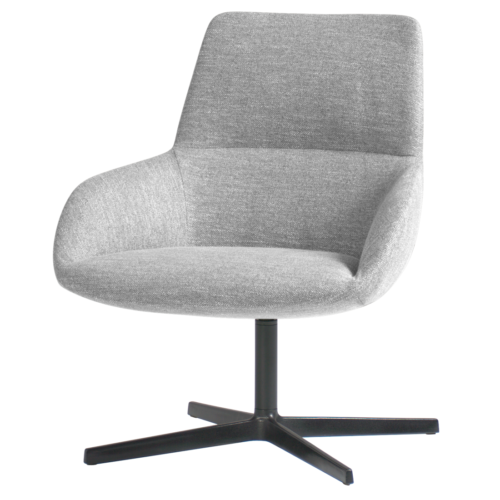
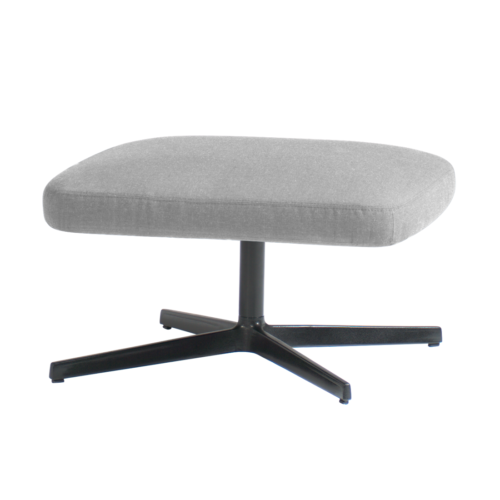

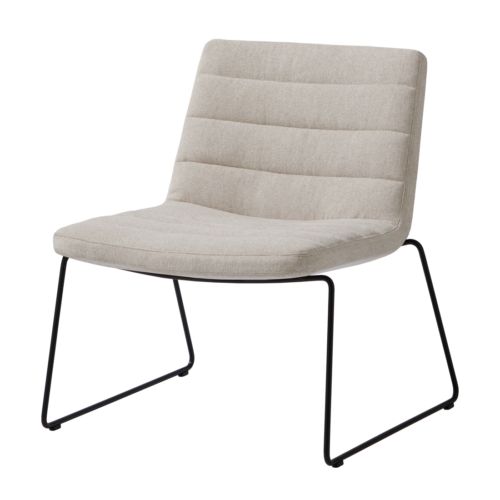
Viewing lounge furniture with brown bases and aluminium bases
Map the main sightlines before deciding how prominent the bases should be. Include the entrance, the route past the lounge, and views from neighboring work areas. A furniture piece can reveal different amounts of its base from each position. Review those differences using complete views of the seating, not isolated finish details. Decide whether the brown base should form a repeated outline or remain a quieter part of the composition. The answer may vary between an open reception lounge and a smaller conversation setting, even when both areas share the same color direction.
Keep Material and Appearance Distinct
Aluminum identifies the base material, while brown identifies its color. Avoid assuming that the material will have an exposed metallic appearance or a particular surface treatment. Confirm the actual finish and inspect how it meets the furniture above. Consider the base as a designed part of the complete piece: its outline, visible surfaces, and junctions all contribute to its appearance. These details also provide a more useful basis for comparison than a material name alone. Keep the assessment descriptive and specific, using confirmed information about the piece under consideration throughout the review.
Set a Brown Tone That Relates Across Views
With lounge furniture with brown bases and aluminium bases, the brown reference should make sense from several parts of the room. Compare it against the floor first, then bring nearby furniture and wall colors into the review. A close tonal relationship can suit one composition, while a clearer contrast can suit another. Use the room brief to decide which effect is appropriate. Where possible, examine a finish reference in the intended setting. Record the agreed color reference so that discussions about brown remain consistent as the seating arrangement and surrounding finishes are developed.
