



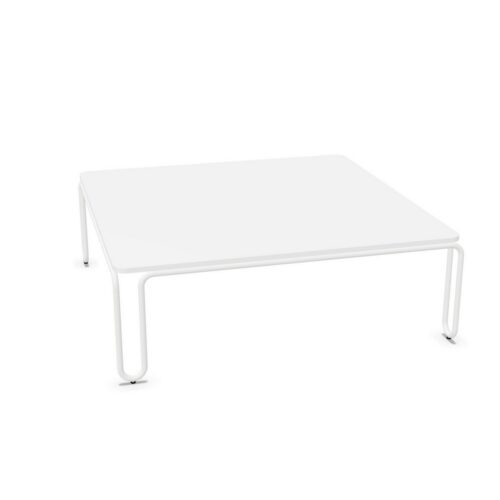


Planning Lounge Furniture With Beige Bases and Steel Bases
Treat the beige steel base as part of the complete seating composition. Its importance changes with the amount of visible structure beneath the seat and with the contrast between the furniture and the floor. Review the base at the viewpoints that matter in the room, including the entrance and adjacent circulation routes.
Decide whether the base should blend with the background or remain clearly outlined. That decision gives you a useful basis for comparing different forms without assuming that steel or beige alone determines how the furniture will look.
Read Beige Against the Surrounding Palette
Beige can appear different beside warm and cool neighboring colors. Compare the actual base color with the floor, walls, and other permanent elements before extending it across a lounge. A close relationship may look intentional, while a near match can draw attention to differences that were less obvious in isolation.
Include both daylight and the room's usual artificial lighting in the review. Look for changes in the apparent contrast around the base. Keep the broader palette restrained if you want the seating outline, rather than several competing colors, to organize the room visually.
Compare Base Form Without Material Assumptions
When assessing lounge furniture with beige bases and steel bases, distinguish material identity from the details of the individual design. Steel does not establish the shape of the support, its surface appearance, or how far it extends beneath the seating. Those details need their own visual review.
Check how the visible base relates to the seat above it. A more pronounced outline may become an important part of the composition; a less exposed base may contribute mainly through its color. Use the actual furniture appearance to guide the comparison, especially where several pieces will be seen together.
