


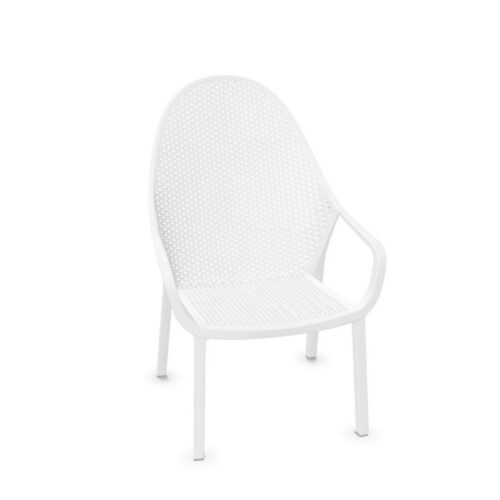
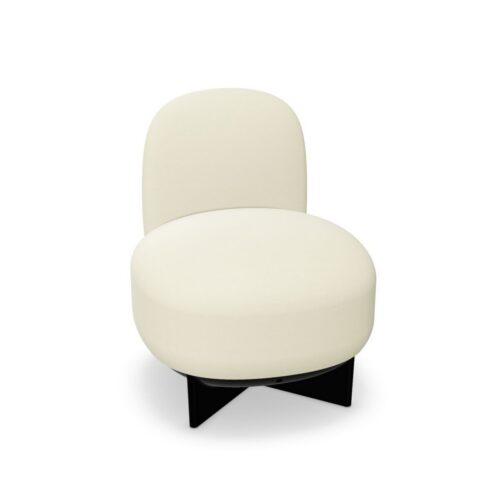
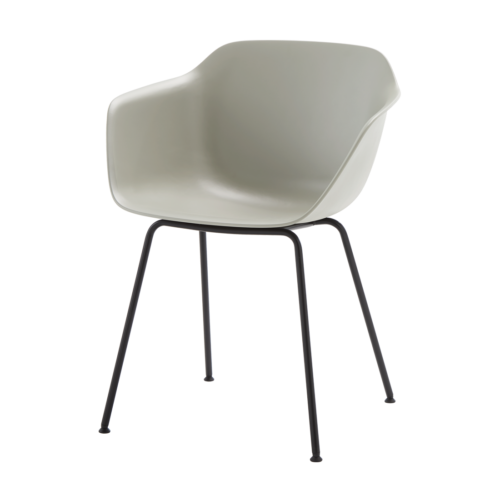
Lounge Furniture With Black Bases and Plastic Bases

Lounge furniture with black bases and plastic bases pairs a black lower color with a plastic base material. This combination calls for attention to the actual shape of the base and the way it meets the main seating body. In a reception or shared lounge, compare those transitions across the intended arrangement, particularly where different seating forms will be seen together from the entrance or an adjoining space.

A shared color and material do not establish a shared construction, texture or surface sheen. Review the confirmed appearance of each design before deciding how closely the pieces relate. Black may provide a recurring lower detail, but its prominence will depend on the amount of base visible against the floor. Start with the desired relationship between the seating bodies, then assess whether the plastic bases reinforce that direction through their outlines and placement within the room.

3 models
From €16.85 p/m
4 models
From €21.57 p/m
4 models
From €19.95 p/m
2 models
From €10.93 p/m
2 models
From €7.59 p/m
5 models
From €10.11 p/m
2 models
From €10.00 p/m
2 models
From €13.22 p/m
5 models
From €15.52 p/m
17 models
From €4.61 p/m
€12.34 p/m
2 models
From €13.10 p/m
3 models
From €49.16 p/m
2 models
From €40.10 p/m
4 models
From €50.73 p/m
10 models
From €17.02 p/m
4 models
From €79.58 p/m

Comparing Lounge Furniture With Black Bases and Plastic Bases

Focus first on where the base ends and the main seating body begins. This transition can be a prominent part of the form or a less visible detail, depending on the individual design. Examine it in the available front, side and angled views. Decide if you want a clearly distinct black foundation or a closer visual relationship between the upper and lower parts. Plastic identifies the base material without defining the shape or surface appearance. A useful comparison therefore considers the actual outline and its relationship with the complete seat, rather than treating the material as a visual style.

Give Shared Color a Clear Purpose

When considering lounge furniture with black bases and plastic bases, decide what the recurring black contributes to the group. It may connect seating bodies with different colors or repeat a detail already present in the room. Alternatively, it may simply establish a consistent lower color within one lounge area. Each intention creates a different basis for comparison. Look at how much black is exposed and whether its distribution feels balanced across the arrangement. If the bases differ substantially in outline, review those differences together. Shared color can be useful, but the complete relationship should remain clear without relying on the description alone.

Check Surface Appearance Without Assumptions

Plastic does not establish a particular texture, sheen or construction method. Black likewise does not tell you how the surface will appear under the room's lighting. Where these details affect coordination, confirm them for the individual design. Compare representative references under consistent conditions and alongside the proposed seat colors. Distinguish the confirmed attributes from characteristics that remain unknown. This is particularly useful when surrounding black details have a strong visual presence, since a close color description may conceal a noticeable difference in appearance. Decide whether that difference is intentional before using the base as a visual link to the rest of the room.

Review the Group Against Its Floor

Lounge furniture with black bases and plastic bases needs to be assessed against the intended floor as well as against neighboring seating. A strong color difference can emphasize the lower outline, while a closer tonal relationship can make other parts of the furniture more prominent. Review floor patterns and transitions near the proposed positions. Then trace the main approach to the lounge and consider how the visible bases relate from that angle. The group may look different from the side or from within the seating area. Include these views in the comparison so the arrangement follows a consistent visual direction throughout.

Frequently Asked Questions

Does plastic imply a particular base shape?

No. The material description does not establish the geometry or construction of the base. Examine the actual form, including its outline and transition to the main seating body, for each design under consideration.

How can different seating colors work together?

Use the shared black lower color as one possible connection, then compare the complete bodies and bases together. The relationship should be deliberate across the group, including the amount of black that remains visible.

What needs confirmation beyond color and material?

Confirm any surface texture, sheen or construction detail that matters to the plan. The black color and plastic material do not establish those characteristics or imply particular maintenance or performance properties.

Explore related selections