







Sofas With Plastic Bases

sofas with plastic bases suit a comparison centered on how the lower part of a sofa fits into a shared lounge arrangement. Begin with the activities intended for the area: a pause between meetings, a visitor conversation, or an informal exchange between colleagues. Each use suggests a different relationship between the sofa, surrounding furniture, and routes through the room. The plastic base is one defined material choice within that wider planning exercise.

For sofas with plastic bases, the next step is to establish the actual base shape and appearance. Plastic does not identify a particular color, texture, construction, or care requirement. Those details need individual attention, particularly where people approach the sofa from several sides. Compare the complete furniture arrangement with the way the room is used during an ordinary working day. This helps connect the selected base material to a practical interior decision without making assumptions about its characteristics.

3 models
From €33.95 p/m
2 models
From €23.96 p/m
4 models
From €19.95 p/m
2 models
From €10.93 p/m
2 models
From €7.59 p/m
5 models
From €10.11 p/m
2 models
From €24.95 p/m
2 models
From €10.00 p/m
2 models
From €13.22 p/m

Sofas With Plastic Bases in Shared Spaces

Organize the comparison around the most common interaction in the room. A sofa intended for colleagues talking together may face another seat, while a waiting position may need a clear relationship with a reception point. Sofas with plastic bases should be assessed within that intended arrangement from the outset. Mark the approach to each seat and the routes that continue beyond it. Then look at the base itself to establish where its outline sits relative to those movements. This gives the material choice a specific setting and makes differences between configurations easier to assess against a clear purpose.

Read the Base as Part of the Whole Sofa

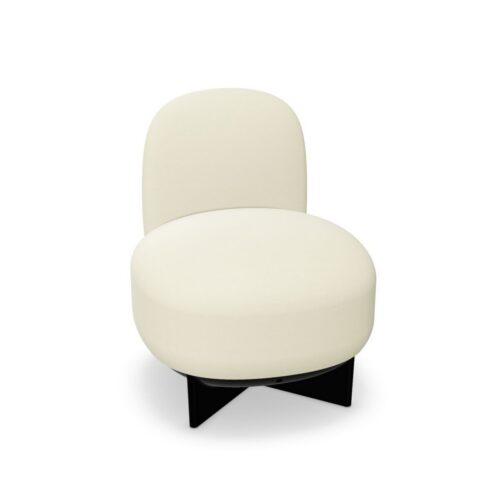
Look at the transition between the seating body and the plastic base. Consider whether the base is visually prominent, partially concealed, or most noticeable from the side. Its contribution to the room depends on those relationships, together with the documented color and finish. Compare views taken from positions people will actually occupy, including nearby seats and the entrance. Do not assume that a front view explains the complete outline. If the sofa will divide two activity areas, both sides become relevant to the interior composition, even when users approach primarily from one direction during the working day.

Plan Everyday Access Before Final Placement

In a shared lounge, routes often connect several destinations rather than ending at the sofa. Review movement toward adjacent seating, meeting rooms, and other regularly used areas. When assessing sofas with plastic bases, inspect the actual position of the base relative to the seat edge. Keep that outline visible in the room plan. Consider how people enter and leave the conversation area while others remain seated. Also account for access needed during routine room care. These checks concern the arrangement and the specific configuration; the selected material does not answer them on its own or establish how the sofa should be handled.

Build a Focused Comparison Brief

A useful brief identifies the lounge activity, intended sofa position, visible base surfaces, and neighboring furniture. Add the appearance you want the lower part of the arrangement to have, then compare documented details against that brief. For sofas with plastic bases, confirm care guidance and any handling instructions separately. Avoid treating the material name as evidence of weight, mobility, or suitability for a particular cleaning method. If the room arrangement may be reconsidered later, establish the requirements of those possible layouts now. Evaluate each configuration against the same scenarios so the comparison remains consistent and relevant to the space.

Frequently Asked Questions

Does a plastic base mean the sofa is easy to move?

The base material alone does not establish the weight of the complete sofa or how it should be moved. Confirm any handling instructions for the specific configuration before including relocation in the room's operating plan or assigning responsibility for that task.

How should the base relate to neighboring furniture?

Compare its visible outline, color, and finish with the surrounding pieces. Decide whether repetition or a considered difference serves the room best. Assess the result from the entrance and nearby seats, where the lower furniture details will be seen together.

What should be confirmed about routine care?

Establish the care instructions for the actual base and its finish. Do not select a cleaning method from the material name alone. Consider whether the planned furniture positions leave the access needed to follow those instructions within the shared lounge.

Explore related selections