



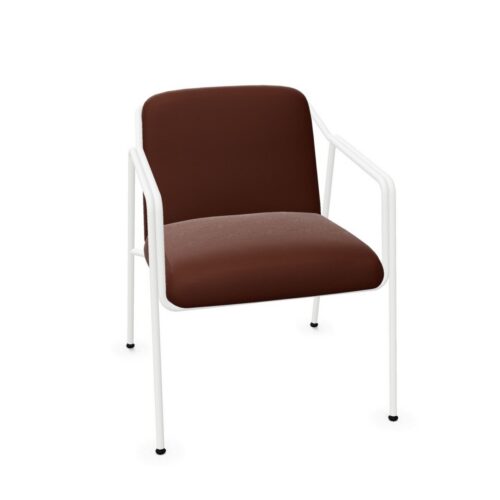


Positioning Lounge Furniture With Green Bases and Fabric Upholstery
Begin with the location of the seating area within the room. A lounge beside an entrance, a group within an open workplace, and seating along a room boundary create different contexts for a green base. Identify where the color will be most visible and how it relates to the surrounding palette. Then assess the proposed fabric upholstery within the same view. The aim is to decide how the complete furniture contributes to the room, with the green detail placed intentionally rather than considered after the seating arrangement has already been settled.
Decide Where the Color Should Repeat
Review any green elements already present in the interior and compare their actual appearance with the proposed base. A shared color name does not guarantee a close visual relationship. Decide whether repeating green helps connect the lounge to its surroundings or whether the base should remain a distinct detail. Consider the whole seating group and the neighboring furniture before extending the color further. A clear intention for repetition gives the palette structure and helps reviewers assess whether the upholstery and base work together within the room's existing composition and visual priorities.
Assess Fabric Without Assuming Its Appearance
When comparing lounge furniture with green bases and fabric upholstery, use the actual fabric reference to establish the upholstery's color and surface appearance. Review it alongside the base reference and floor color under the lighting expected in the space. Decide whether the upholstered form should remain closely related to the green detail or create a different visual emphasis. Confirm the specific composition and relevant care guidance separately, since fabric alone does not establish those details. Retain the agreed sample information so the team can return to the same reference during subsequent room reviews.
