



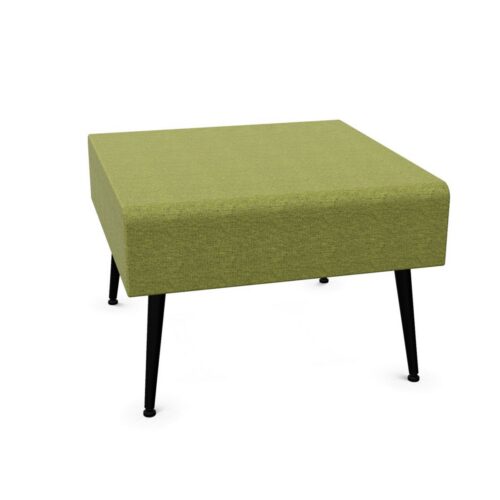


Comparing lounge furniture with grey bases and black base bases
Start by separating the desired room effect from assumptions about the furniture. Decide whether the lounge should have a clearly defined lower outline or a base treatment that sits more quietly against the floor. Then assess the actual grey and black appearance against that aim. With lounge furniture with grey bases and black base bases, clarity about color placement comes first. Once that is established, compare the whole seat rather than treating the base as an isolated detail unrelated to its upper form.
Follow the view from arrival to seating
Walk through the intended visual sequence of the room. The entrance may reveal the front of one seat and the back of another, while a person joining the group may see a different part of each base. Compare those views before settling the arrangement. Where grey and black appear differently around the furniture, check whether the change supports the composition. A plan view alone will not describe that effect. Include an eye-level view that shows the amount of base exposed along the main approach.
Give mixed seating a common visual rule
Use lounge furniture with grey bases and black base bases within a group that has a clearly stated priority. That priority might be similar base visibility, a consistent relationship with the floor, or a balanced distribution of dark details. Different seating forms can follow the same rule without sharing identical geometry. Compare the group from outside and within it. Check whether one seat appears visually detached because its base is more exposed or has a stronger color contrast than the pieces beside it.
