

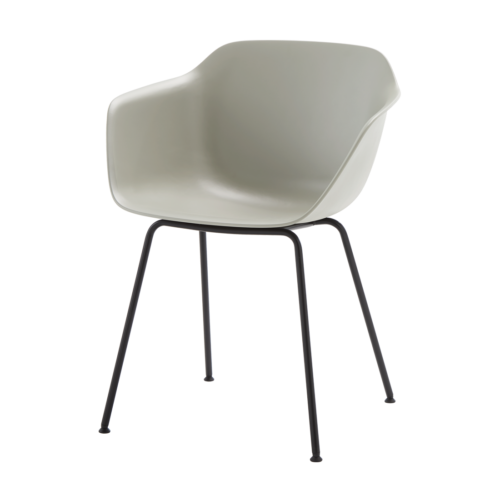
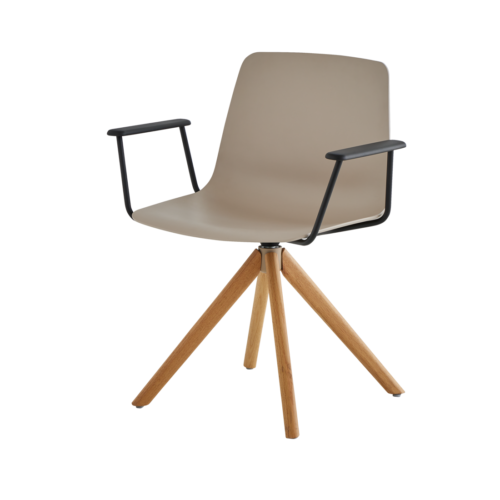
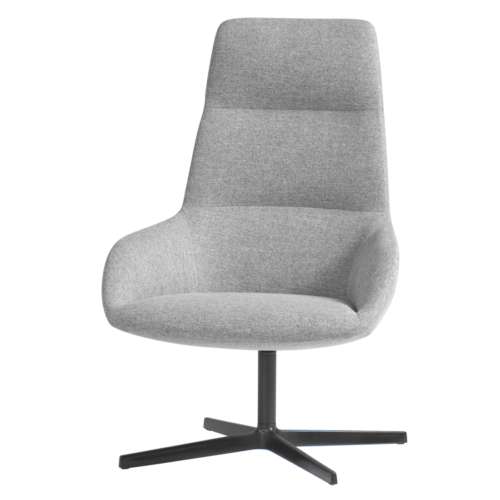
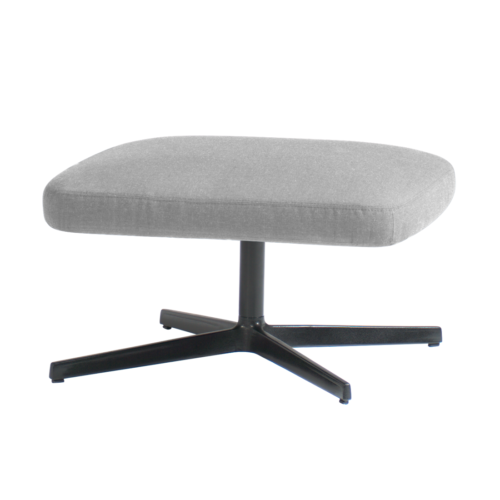
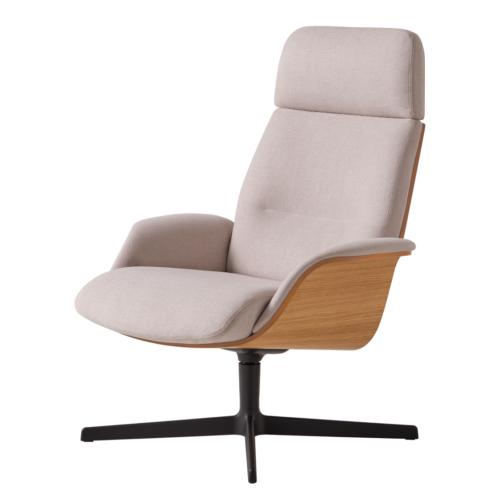
Lounge Furniture With Grey Bases and Aluminium Bases

lounge furniture with grey bases and aluminium bases combines a grey base color with aluminum as the base material. For workplace lounges, assess that combination through the visible supporting form and its relationship to the seat above. The material does not establish a particular profile, sheen, or weight, so the individual appearance should lead the design comparison. Start with the silhouette people will see when approaching the lounge.

Grey provides a useful reference for coordinating the lower part of a seating group, particularly when the surrounding interior already contains several neutral colors. Compare the bases with the floor and nearby furniture details under the room’s intended lighting. Then review how much of each base remains exposed from different directions. A clear brief connects these observations with the lounge arrangement, helping different seating forms contribute to one composition without assuming that a shared material will make them visually identical in the room.

3 models
From €16.85 p/m
4 models
From €26.96 p/m
3 models
From €15.62 p/m
8 models
From €27.67 p/m
4 models
From €21.57 p/m
€22.84 p/m
7 models
From €66.27 p/m
4 models
From €94.99 p/m
4 models
From €50.51 p/m
2 models
From €284.97 p/m
4 models
From €23.04 p/m
2 models
From €14.21 p/m
5 models
From €15.52 p/m
5 models
From €17.40 p/m
17 models
From €4.61 p/m
12 models
From €9.08 p/m
5 models
From €9.98 p/m
4 models
From €24.48 p/m
9 models
From €0.37 p/m

Comparing lounge furniture with grey bases and aluminium bases

Start with the relationship between the base profile and the room's main sightline. A form that is barely visible from the front may become prominent from the side or rear. With lounge furniture with grey bases and aluminium bases, compare those views before deciding where each piece belongs. Note how the grey outline relates to the seating above and to the floor below. This establishes the visual role of the aluminum base without assuming that the material produces a particular shape or surface appearance.

Distinguish material from surface appearance

Aluminum identifies the selected material, while grey identifies the base color. Neither establishes whether the visible surface appears glossy, matte, textured, or uniform. Assess those qualities directly where they matter to the room scheme. Compare the actual base appearance beside neighboring furniture details rather than relying on a general expectation of aluminum. If the interior includes other grey elements, decide whether the intended relationship is a close match or a coordinated difference. Both approaches need a clear reference under the same lighting conditions.

Balance repeated profiles in open arrangements

In an open lounge, lounge furniture with grey bases and aluminium bases may be seen from several directions at once. Review the complete group from the entrance, adjoining work areas, and the route past the seating. Compare the amount of exposed base beneath each form. Repeated outlines can become a noticeable part of the composition, especially where the floor provides a clear contrast. Decide whether that repetition should be a visible organizing element or remain secondary to the overall shapes and colors of the seats.

Create a consistent comparison sequence

Assess lounge furniture with grey bases and aluminium bases in the same order for each proposed arrangement. First review the silhouette, then the grey against the floor, and finally the relationship with adjacent seating. Add the surrounding walls and furniture to the view before finalizing the scheme. Keep planned routes around the group clear of the furniture outlines. Record the preferred base visibility and tonal relationship in the brief. This sequence makes comparisons more useful than judging material, color, and layout separately without a shared room context.

Frequently Asked Questions

Does aluminum mean the base will look shiny?

No. The material description does not establish sheen. Review the actual grey surface appearance under the intended lighting and compare it with neighboring furniture. Use that observation when deciding how much visual emphasis the base should have.

Which views matter in an open lounge?

Include front, side, and rear views wherever they are visible from nearby routes or work areas. The amount of exposed base can change between these positions. Assessing all relevant directions helps the complete seating group appear considered within its surroundings.

Can different aluminum base profiles share one scheme?

They can be assessed together through consistent grey tone, base visibility, and floor contrast. Compare the complete furniture forms in the intended arrangement. A shared material is useful context, but the final visual relationship depends on the individual silhouettes.

Explore related selections