







Coordinating Lounge Furniture With Grey Bases and Fabric Upholstery
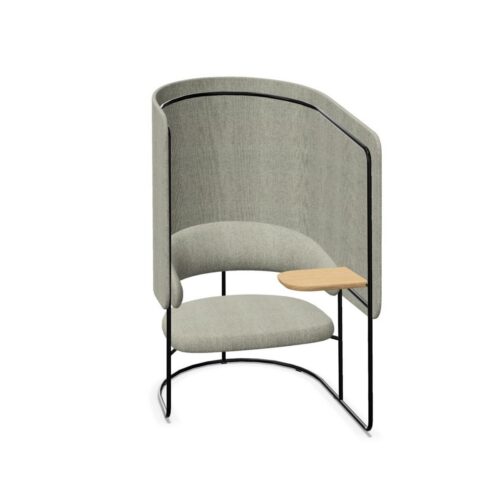
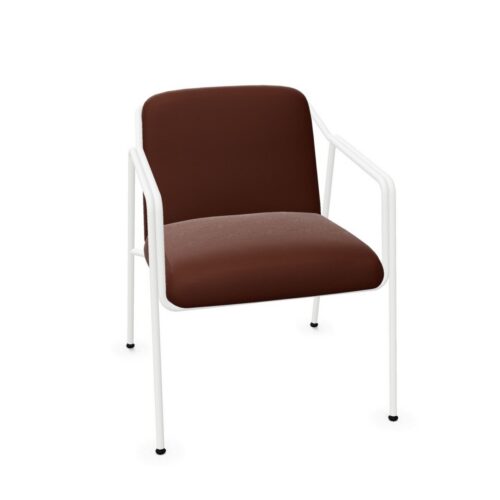
Use the actual gray base reference as the starting point for comparison. Place it within the room palette rather than treating gray as a universal visual match. Assess its relationship with the floor, surrounding furniture, and proposed fabric upholstery. Some combinations may appear closely related, while others create a more visible boundary between the base and its setting. Choose that relationship deliberately. The aim is to establish how the lower part of the furniture contributes to the complete room, with the upholstered form and base considered within the same design decision.
Distinguish Coordination From Exact Matching
A coherent lounge does not require every gray element to look identical. Decide where an exact visual relationship matters and where a considered difference can remain part of the composition. Review samples together under the same lighting, including any surrounding colors that influence the seating area. Assess both the immediate relationship between upholstery and base and the wider relationship with neighboring furniture. Record the intended result in practical terms so different reviewers understand the goal. This avoids a vague instruction to match gray without specifying which reference or room context should guide the assessment.
Bring the Fabric Into the Comparison Early
For lounge furniture with grey bases and fabric upholstery, the fabric reference belongs in the first palette review. Its actual color may change how the gray base appears in the composition, so deciding on each part separately can leave the final relationship unresolved. Examine the sample beside the base reference and intended floor color. Then review the complete furniture form from the main approach and adjoining areas. Confirm the specific upholstery composition and care guidance independently, since the selection of fabric alone does not establish those details or any particular performance characteristics.
