

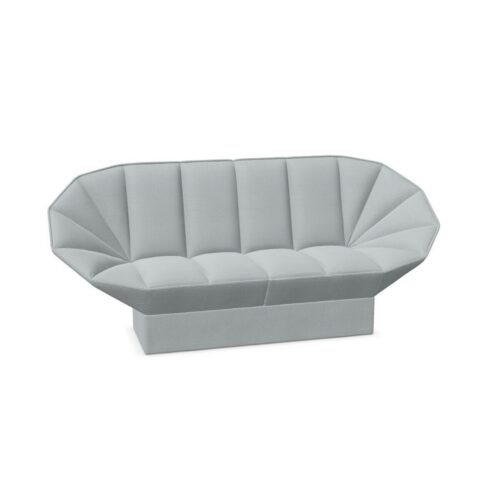
Lounge Furniture With Grey Bases and Leather Upholstery

lounge furniture with grey bases and leather upholstery suits a planning brief centered on relationships between neighboring colors. Grey can sit close to several elements in a workplace interior, yet its precise appearance still matters. The base may look lighter, darker, warmer, or cooler beside the floor and the leather upholstery. Treat the combination as a set of visible relationships rather than assuming grey will coordinate equally well with every surrounding palette.

For shared workplace areas, begin by identifying the surfaces that visitors will see directly behind and beneath the seating. These backgrounds influence how clearly the base separates from the upholstered form. Then consider whether the lounge should connect with nearby spaces or establish its own visual identity. The same base color can contribute to either approach, depending on the leather color and placement. A useful comparison therefore includes the whole arrangement, the main viewing positions, and the lighting in which the room is normally occupied.

4 models
From €47.95 p/m
2 models
From €71.71 p/m
3 models
From €14.35 p/m
2 models
From €26.69 p/m
2 models
From €40.10 p/m
21 models
From €15.97 p/m
2 models
From €20.01 p/m
4 models
From €61.43 p/m
6 models
From €13.26 p/m
2 models
From €33.31 p/m
2 models
From €58.96 p/m
2 models
From €71.10 p/m
2 models
From €89.47 p/m
4 models
From €41.00 p/m
4 models
From €41.23 p/m

Assessing lounge furniture with grey bases and leather upholstery

Start by placing the intended grey beside the actual room colors. A grey that looks neutral in isolation may show a warmer or cooler character next to another surface. Examine its relationship with the leather as well as with the floor. These comparisons help establish whether the base belongs to the surrounding palette or provides a subtle point of distinction. Avoid resolving the entire scheme through a single color label. The useful question is whether the particular grey and leather combination supports the visual hierarchy already planned for the reception area or shared lounge.

Decide what should draw attention

A lounge may need to register clearly from a corridor while remaining visually connected to adjacent work areas. Decide whether the leather surfaces, the furniture outlines, or the group as a whole should be most apparent. Position lounge furniture with grey bases and leather upholstery with that priority in mind. If the base closely resembles the floor, the upholstered form may dominate the view. If it contrasts, the lower outline becomes more noticeable. Use that difference deliberately instead of asking grey to serve as an undefined background color throughout the whole space.

Maintain coherence between different viewpoints

Shared areas are often approached from more than one direction. Review how the grey bases appear from the principal entrance, neighboring circulation routes, and the seating area itself. Details that are visible from the side may be less apparent from the front, changing the balance between leather and base color. Arrange the furniture so these changes still form a coherent composition. Where a lounge connects several destinations, keep routes legible through placement and orientation. The grey base can contribute to the palette, while the complete seating arrangement should communicate where the lounge begins and how people move around it.

Build a comparison around actual differences

Record the appearance of the grey, the leather color, the base outline, and the exposed views that matter to the project. These are more useful comparison points than a general preference for neutral furniture. When reviewing lounge furniture with grey bases and leather upholstery, distinguish confirmed attributes from details still needing clarification. Grey does not identify the base material, and leather does not establish a particular treatment or care requirement. Confirm the relevant finish and care information separately. Keep the final assessment tied to the room palette and intended arrangement so the chosen combination has a clear rationale.

Frequently asked questions

Why can the same grey look different beside leather?

Neighboring colors and lighting affect how a color is perceived. Compare the particular grey and leather together in the intended setting, especially when the room contains several similar neutral shades.

Should the base be lighter or darker than the floor?

Either relationship can support the scheme. A difference in tone makes the outline more apparent; a closer relationship may reduce that separation. Choose according to the intended visual emphasis.

How can grey bases connect separate lounge areas?

A consistent grey can provide a recurring visual reference. Check that its relationship with the leather and nearby colors remains coherent in each location, since lighting and backgrounds can change the effect.

Explore related selections