

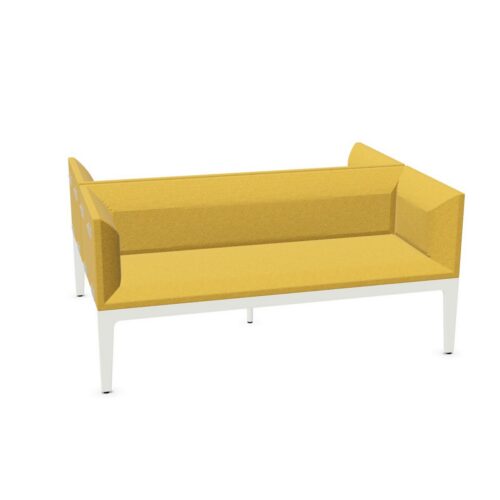
Sofas With Transparent Bases

Sofas with transparent bases call for close attention to what is visible through and around the lower part of the seating. The floor, nearby objects and viewing angle become part of the visual assessment. In a shared workplace lounge, this makes the relationship between the sofa body and its surroundings especially relevant. Begin with the intended position and the main views into the seating area before judging the base on its own.

When considering sofas with transparent bases, establish the actual appearance of the transparency and the outline of the base. Transparent does not mean invisible, and it does not identify a particular material. Edges and the surrounding light can influence how the base appears. Review the complete sofa against the intended floor, including any visible changes in pattern or color. This helps determine whether the lower detail supports the composition you want and whether neighboring furniture needs a closer visual connection.

3 models
From €34.69 p/m
5 models
From €31.41 p/m
4 models
From €55.20 p/m
€35.38 p/m
7 models
From €22.94 p/m
2 models
From €33.52 p/m

Reviewing Sofas With Transparent Bases

Start with the background rather than the base alone. Whatever can be seen through the base becomes part of its visual context, so the floor deserves a deliberate review. Look at changes in floor color or pattern around the intended sofa position and consider the view from the entrance. A transparent base does not remove the sofa's lower structure from the composition. Its edges and overall form may remain apparent. Examine the actual design to understand that balance. The aim is to establish how the base, sofa body and visible background relate in the place where people will encounter them.

Compare Visibility From Different Angles

Sofas with transparent bases may present different visual relationships as the viewing angle changes. Review the front and side as well as the diagonal approach into the lounge. Establish where the base outline is easy to distinguish and where the surroundings become more prominent through it. These observations should come from the particular design rather than a general expectation of transparency. Include the room's usual lighting conditions in the review. If the base appearance changes noticeably between viewpoints, decide whether that variation suits the intended arrangement. A single isolated image may not explain its relationship with the complete interior.

Consider What Remains in View

Pay attention to objects and floor details visible around the sofa's lower area. A transparent base can make their relationship with the seating more relevant to the composition. Review nearby furniture positions, floor pattern changes and any visible elements already present in the room. The purpose is to understand the complete view, not to assume that transparency creates a particular spatial effect. Consider the sofa body at the same time: its color and outline may become the principal visual anchor above the base. Assess whether that emphasis is appropriate within the lounge and beside the other seating forms.

Connect the Sofa With Its Neighbors

For sofas with transparent bases, coordination with neighboring furniture can begin with the main body rather than a shared lower color. Compare silhouettes, seat colors and the overall arrangement to identify a clear relationship. The neighboring bases do not have to be transparent for the seating group to feel considered. However, their visual prominence should be reviewed together, especially where different lower outlines sit close to one another. Look at the composition from across the room and from within the lounge. This helps establish whether the transparent base contributes the intended distinction without becoming disconnected from the surrounding furniture.

Frequently Asked Questions

Does transparent mean the base will disappear visually?

No. The base can remain visible through its outline, edges and interaction with surrounding light. Assess the actual design in context rather than assuming that transparency will make the lower structure visually absent.

Which floor details deserve particular attention?

Review pattern changes, color transitions and visible elements around the intended position. With sofas with transparent bases, these details can become part of the view through and around the lower structure.

Does transparency identify the base material?

No. Transparency describes an appearance, not a material specification. Establish the material separately and base any further assessment on confirmed information about the particular sofa and its construction.

Explore related selections