







Planning Lounge Furniture With Transparent Bases and Fabric Upholstery
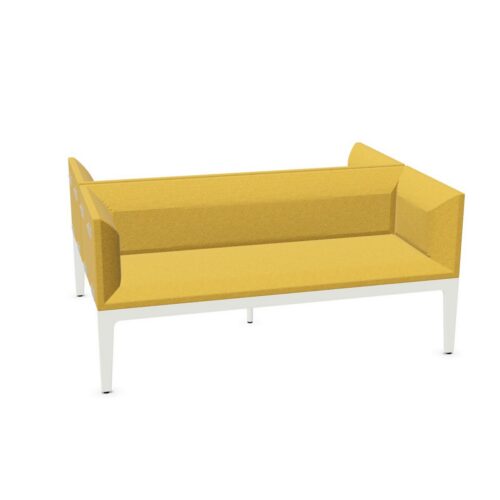
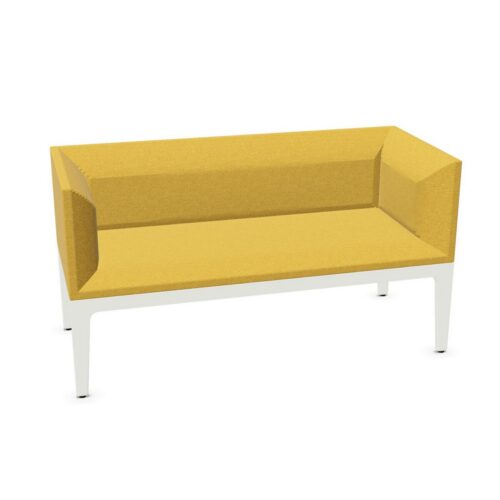
Treat the background as an active part of the visual review. Where the base permits a view through it, flooring and objects beyond may remain part of the composition. Check the actual appearance from the entrance, adjacent routes and seated positions. The base can still have a visible outline, so transparency should not be treated as disappearance. Decide whether the upholstered form has the intended emphasis when seen against the room. This assessment is especially useful where the furniture stands away from walls and is exposed to views from several directions.
Review the Flooring Beneath the Group
Look at the floor directly beneath and behind the intended seating positions. A pattern or color change may become part of the view through the base, depending on its actual appearance and the viewing angle. Review those relationships before finalizing the arrangement. If a floor boundary passes through the seating group, check whether it creates an intentional composition or an unwanted visual division. The question is how the furniture and background read together. Do not assume the same transparent base will have an identical visual presence in every part of a room.
Evaluate Overlapping Views
In a grouped arrangement, the view through or around a base may include neighboring furniture. Check these overlaps from the main approaches and from within the lounge. They can change the apparent separation between individual seats, depending on the actual furniture profile and background. Keep the arrangement organized around clear routes and the intended conversations. Once that layout works, review the visual relationships again. Record the agreed fabric, base appearance and surrounding floor together, since each contributes to the result. A close view of the furniture alone cannot resolve every aspect of this combination.
