

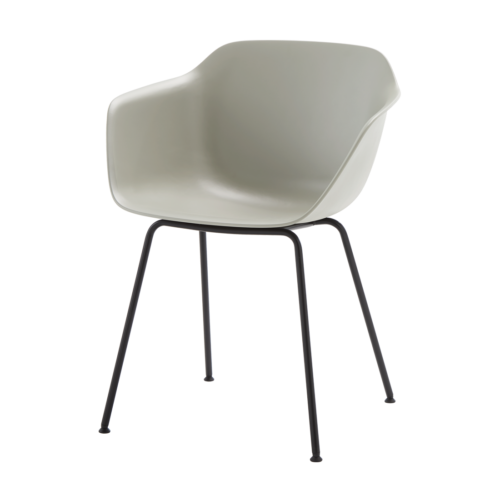
Lounge Furniture With White Bases and Black Base Bases

lounge furniture with white bases and black base bases needs an agreed description of the intended visible result. The white color requirement and the Black Base designation should be reconciled before the lounge palette is developed around them. Confirm the actual base appearance, including whether either term applies to a separate element, rather than assuming that the furniture presents a particular combination of white and black.

This is especially relevant when seating connects a reception area with nearby shared spaces. A clearly defined base appearance gives the project team a useful reference for coordinating floor contrast, surrounding colors, and the seating arrangement. Begin with the main view into the lounge and the amount of base exposed in that view. Then inspect closer views between seats and from adjacent routes. Keep the underlying material and construction as separate matters to confirm wherever they are relevant to the brief.

5 models
From €64.42 p/m
12 models
From €9.73 p/m
2 models
From €26.69 p/m
10 models
From €32.06 p/m
2 models
From €13.98 p/m
2 models
From €28.93 p/m
17 models
From €4.61 p/m
12 models
From €9.08 p/m
8 models
From €13.28 p/m
2 models
From €4.67 p/m
3 models
From €42.05 p/m
6 models
From €39.44 p/m
8 models
From €3.83 p/m
2 models
From €33.03 p/m

Defining lounge furniture with white bases and black base bases

Describe the desired furniture appearance in straightforward terms before making related interior decisions. Identify which visible areas should be white and what the Black Base designation means for the specific furniture. If the relationship is unclear, request a finish reference or another clear visual confirmation. Do not infer a two-color arrangement, a concealed component, or an underlying material from the wording alone. Resolving this point early gives the seating layout a dependable visual basis and prevents surrounding finishes from being coordinated with an appearance that has not been established.

Establish a Color Hierarchy for the Space

When considering lounge furniture with white bases and black base bases, decide whether pale or dark elements should guide the room's composition. That choice concerns the whole setting, including the floor, seating colors, walls, and nearby furniture. It does not require every element to repeat the same contrast. Once the actual base appearance is confirmed, assess its role within that hierarchy. A base can provide a supporting reference or a more noticeable outline, depending on its visible form and surroundings. Use the intended room composition to judge the relationship.

Compare Groups Across Connecting Areas

Where a lounge extends across reception and an informal meeting area, review the groups together before treating them as independent arrangements. Look for a shared relationship between the base appearance and the surrounding palette. The seating forms may differ while still belonging to the same visual scheme. Conversely, identical base colors may appear different against contrasting floors or backgrounds. Assess these conditions from the routes connecting the areas. The objective is a considered transition between spaces, with enough consistency to communicate the project intention and enough distinction to suit each setting.

Record the Details That Affect Placement

Once the finish question is settled, note the views in which the base will be exposed. Include the approach from reception, side views beside circulation routes, and rear views where the seating stands away from a wall. Use those observations when comparing orientations within each group. A small change in direction can alter which base details are visible without changing the intended activity of the area. Keep access to the seating central to the decision, and confirm any relevant construction or care requirements independently of the white and Black Base descriptions.

Frequently Asked Questions

Should Black Base be treated as a material?

The designation alone does not establish an underlying material. Confirm construction separately and obtain a clear description of the visible finish before using it to coordinate other furniture or surrounding surfaces.

Can the intended base appearance be assumed from white?

White identifies a color requirement, but its relationship with Black Base still needs clarification. Establish which visible elements the terms describe and review an appropriate finish reference before settling the palette.

How should the combination be handled in a project brief?

For lounge furniture with white bases and black base bases, record the confirmed visible appearance, the role of each designation, and the important room views. Keep those decisions clear when arranging related seating groups.

Explore related selections