

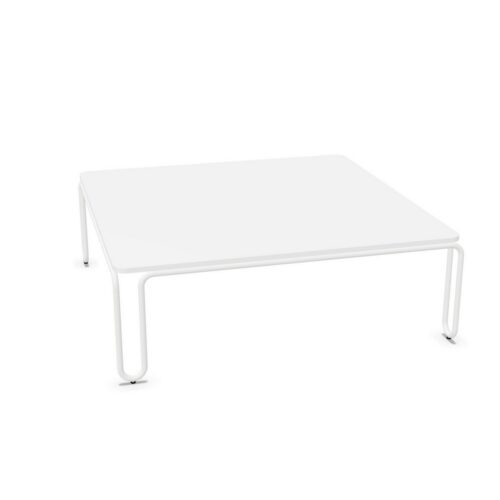
Sofas With White Bases

sofas with white bases place a light-colored detail beneath the seating, bringing the floor and nearby pale surfaces into the composition. This combination is relevant to reception areas and workplace lounges where the lower part of the furniture should relate to a lighter interior palette. Its appearance depends on the background: a white base can be clearly defined against a dark floor or more closely connected with a pale one. Review the whole sofa in its intended position before choosing that relationship.

For sofas with white bases, coordination involves more than identifying other white objects in the room. Differences between surrounding whites, the seat color, and the room’s lighting can change how the base appears. Compare these elements together and decide whether the lower outline should become prominent or remain visually restrained. That decision provides a useful starting point for the wider seating plan.

2 models
From €9.47 p/m
2 models
From €9.33 p/m
2 models
From €41.00 p/m
€11.58 p/m
€19.45 p/m
2 models
From €19.09 p/m
5 models
From €17.10 p/m
2 models
From €2.71 p/m

Positioning sofas with white bases

Identify the background that will be visible immediately behind and beneath the base. In an open lounge, this may include the floor, a nearby wall, and furniture beyond the seating group. A white base can relate differently to each of them, so judge the planned position from the main arrival route rather than from an isolated image. Decide whether the base should connect with pale architectural details or introduce a separate light accent. Keeping that purpose clear helps resolve later choices about orientation, adjacent furniture, and the distribution of lighter colors across the room.

Compare whites within the same setting

Review sofas with white bases alongside the white elements that will actually appear nearby. A shared color description does not guarantee that the appearances will align. Place references together under the room's lighting and assess them from the distance at which they will normally be seen. Small differences may be more noticeable when surfaces sit directly beside one another than when they are separated across the room. Choose the relationships that need close coordination, then allow other elements to remain distinct. This approach gives the base a considered place within the overall palette without demanding uniformity.

Decide how clearly the base should read

On a darker floor, sofas with white bases may create a pronounced lower outline. Against a pale background, the distinction may be subtler. Neither relationship determines the right answer for every reception area. Consider how much visual emphasis the seating needs relative to the reception point, nearby doors, and other furniture. Examine the actual base shape because the amount and arrangement of visible white will affect the composition. Also review the relationship between the base and the seat color, so the lower detail feels connected to the sofa as a whole.

Check the composition from shared routes

Use the layout to review sofas with white bases from routes that pass beside or behind the lounge. A base that appears discreet from the front may be more visible from another direction. Look at where its outline overlaps with neighboring furniture and where the floor provides an uninterrupted background. If the room connects to another seating area, consider whether the light base color should recur there or remain specific to this zone. Record the chosen relationship in the project brief, including the viewpoints that informed it, so the visual intent remains clear during planning.

Frequently asked questions

Must a white base match the walls?

Only if that close relationship is part of the intended composition. Compare the actual white appearances together. A clear distinction can be appropriate, while an attempted match should be reviewed under the lighting used in the room.

Can a white base work against a pale floor?

Compare sofas with white bases in the proposed setting and judge whether there is enough visual definition for your plan. Include the seat color and the visible base shape in that review, rather than assessing the floor pairing alone.

Which view is most useful for comparison?

Start with the main approach to the lounge, then check side and rear views along shared routes. These angles reveal how the white base relates to surrounding colors throughout the space, especially where the seating is visible from adjoining areas.

Explore related selections