



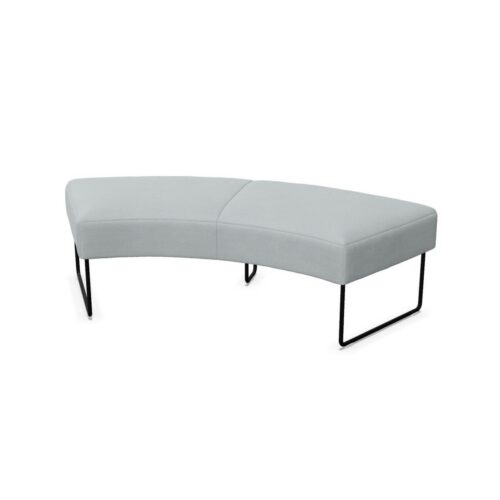


Assessing Lounge Furniture With Yellow Bases and Fabric Upholstery
The floor is the immediate background for a yellow base, so begin the comparison there. Look at the contrast in both color and lightness. If the floor and base are close in tone, the base may be less distinct; a greater difference may make its outline more apparent. Neither outcome is automatically preferable. Decide whether the yellow should draw attention to the seating group or remain a quieter detail beneath it. Review this relationship from standing and seated positions, using the actual room lighting wherever possible.
Give the Fabric a Clear Role
Fabric upholstery can either connect the seating to the surrounding palette or establish another point of contrast. Define that role before comparing individual colors. If yellow is already repeated elsewhere, consider how the fabric will prevent the group from becoming visually crowded. If the base provides the room's main color accent, assess whether the upholstery should take a more restrained position. Examine the actual fabric appearance alongside the yellow base. Small color differences can matter when these surfaces meet directly, so viewing them separately may leave an important relationship unresolved.
Organize Shared Areas Through Repetition
Use lounge furniture with yellow bases and fabric upholstery to establish a recurring detail within a defined area. This can be useful when a reception lounge includes several conversation settings that should feel related. Decide whether the same base and fabric relationship should continue throughout, or whether the fabric will distinguish individual groups. Keep that decision intentional. Too many unrelated upholstery colors can weaken the connection supplied by the yellow bases. Position the seats according to how people will approach and use the area, then assess whether the repeated accent is visible enough to connect the arrangement.
