



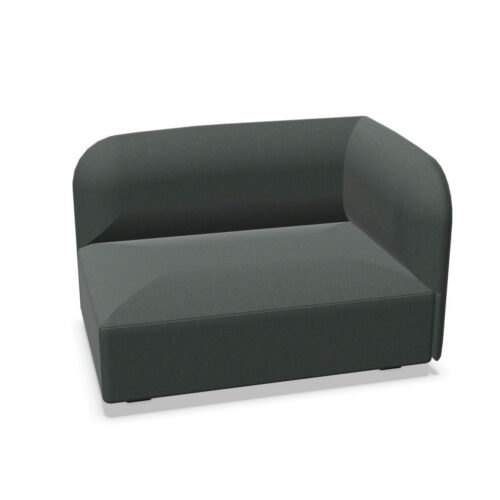


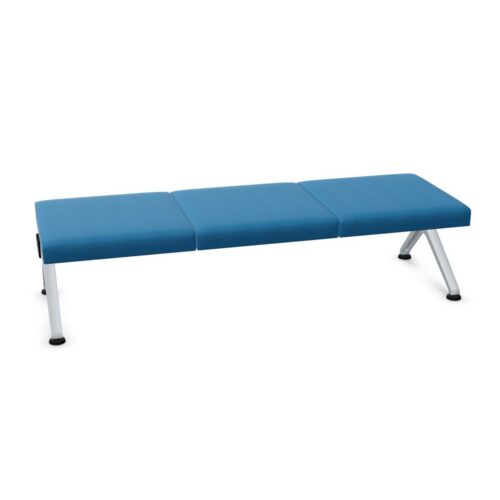


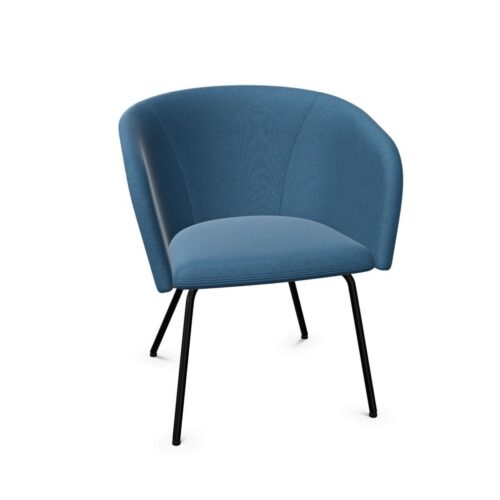


Reviewing lounge furniture with aluminum bases and silver upholstery
Separate the two selected attributes before assessing their combined effect. Aluminum establishes the base material, while silver establishes the upholstery color. They do not necessarily share the same visible tone, and their relationship should be checked directly rather than assumed.
Look at the base and upholstery together against the intended background. Decide whether their appearances should form a close tonal relationship or remain visually distinct. This decision gives the lounge a clearer design direction and helps establish which surrounding colors belong beside the seating.
Create Definition Within a Restrained Palette
When nearby colors sit close to silver, the furniture's outline becomes especially relevant to the composition. Review how clearly the seat forms separate from the floor and background. Assess this from the main entrance before focusing on details visible only at close range.
Consider the space between pieces as part of the visual arrangement. Distinct seating groups should remain understandable through their placement and orientation. A restrained palette can still support clearly organized areas when the plan establishes their boundaries and their relationship to adjoining destinations.
Examine Exposed Aluminum From Several Angles
For lounge furniture with aluminum bases and silver upholstery, base visibility deserves a separate review. Check the front, side, and rear of the individual piece, then consider how those views repeat across the group. The amount of exposed base affects its role in the overall composition.
Confirm the visible treatment where coordination matters. Aluminum alone does not establish a polished appearance, a particular color, or a specific sheen. Compare the actual base with the silver upholstery and any nearby elements that are intended to share a similar visual direction.
