

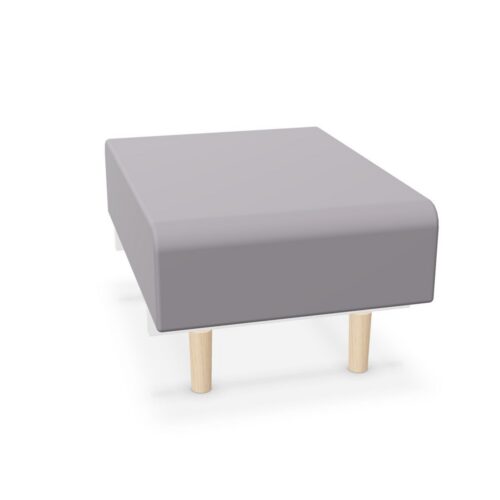
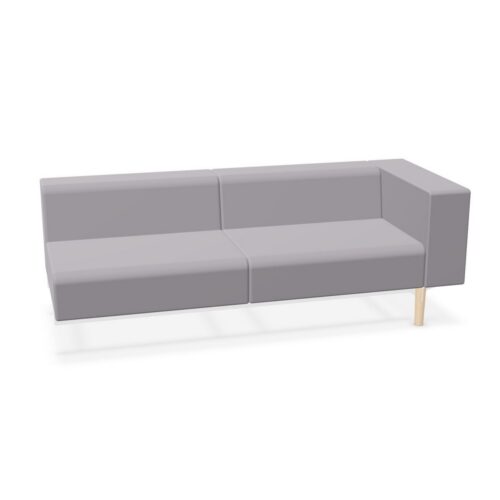
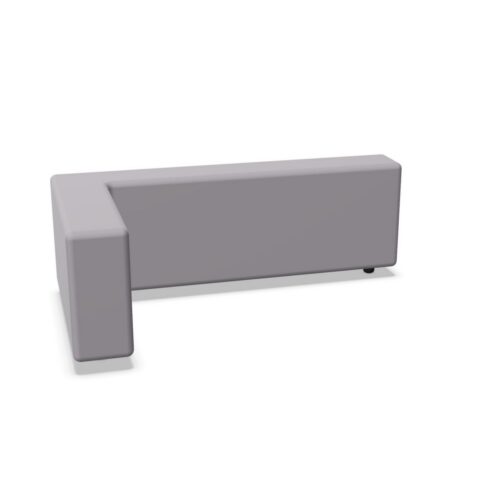
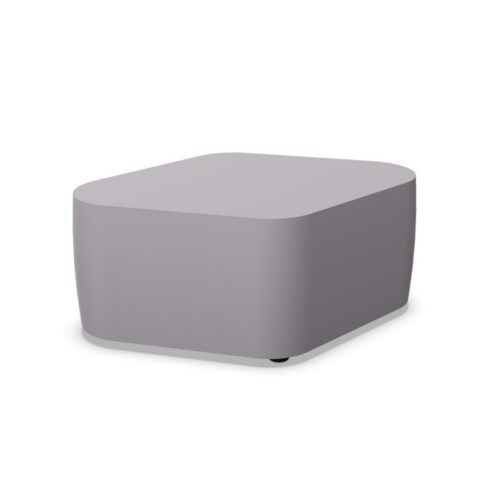
Sofas With Aluminum Bases

sofas with aluminum bases bring the base material into the planning of reception areas, visitor lounges, and informal meeting spaces. The useful starting point is how much of the base people will see, particularly from entrances and nearby seating. A base that appears discreet from the front may become more prominent when the sofa stands away from a wall. Consider the complete outline alongside the surrounding furniture before deciding how the aluminum element should contribute to the room.

When comparing sofas with aluminum bases, separate the material decision from questions about shape, finish, and placement. Aluminum identifies the base material; it does not establish its color, surface appearance, or configuration. Review those details individually, then assess the relationship between the sofa and its setting. This approach is especially useful where visitors see the furniture from several directions and the lower part of the sofa remains visible across an open reception area.

10 models
From €16.65 p/m
3 models
From €125.11 p/m
2 models
From €31.82 p/m
5 models
From €10.11 p/m
2 models
From €37.49 p/m
2 models
From €36.35 p/m
4 models
From €16.63 p/m
2 models
From €18.29 p/m
3 models
From €5.43 p/m

Planning Around Sofas With Aluminum Bases

Start with the view that introduces the lounge to its users. From the entrance, note whether the sofa base sits against a plain background, overlaps other furniture, or disappears beneath the seating outline. Sofas with aluminum bases deserve the same attention from the side and rear when they occupy the center of a room. Draw the intended arrangement with the sofa facing its actual conversation partner or reception point. Then review the exposed base within that arrangement. This makes the comparison relevant to the room rather than dependent on an isolated impression of the sofa.

Coordinate the Lower Part of the Room

The base shares a visual field with nearby furniture legs, floor patterns, and the lower edges of surrounding fittings. Decide whether these elements should repeat a common appearance or provide a deliberate difference. Matching materials alone will not settle that question because their visible finishes can differ. Compare the actual appearance of each element under the lighting planned for the space. Where several base styles are already present, assess their combined effect from a seated position. A clear visual relationship can come from proportion and alignment as well as from a similar material or color.

Check the Arrangement From Every Approach

For sofas with aluminum bases in reception settings, map the route from the entrance to the welcome point and onward to the seats. Include the paths people take when approaching from adjacent rooms. Position the sofa so that its base does not become an overlooked obstacle within those routes. Assess the actual base outline rather than assuming that it follows the edge of the seat. Also review how nearby furniture changes the available approach. A useful plan shows both the intended seating arrangement and the everyday movements that must happen around it without disrupting the conversation area.

Keep Material and Configuration Decisions Separate

A productive comparison records the aluminum base as one decision and the remaining characteristics as separate questions. Establish the intended sofa position, the visible sides, and the relationship to neighboring pieces before evaluating individual configurations. For sofas with aluminum bases, confirm the base form and finish directly rather than inferring either from the material name. Ask for relevant care information when planning routine upkeep. Once those details are established, revisit the room plan to see whether the chosen configuration supports the intended arrangement. This sequence keeps the comparison focused on documented characteristics and the requirements of the space.

Frequently Asked Questions

Will an aluminum base always look the same?

No. The material alone does not establish color, surface appearance, or base shape. Compare the documented finish and visible configuration of each sofa, especially when the base will sit beside other exposed furniture supports in the same room.

What matters when the sofa stands centrally?

Review the side and rear views as carefully as the front. Check how the base sits within circulation routes and how its outline relates to nearby furniture. A central position can make details visible that a wall position would conceal.

Should every nearby base use aluminum?

That depends on the intended interior relationship. Compare visible finish, proportion, and placement before deciding whether repetition is useful. Different materials can belong in the same arrangement when their appearances and positions have been considered together within the room.

Explore related selections