

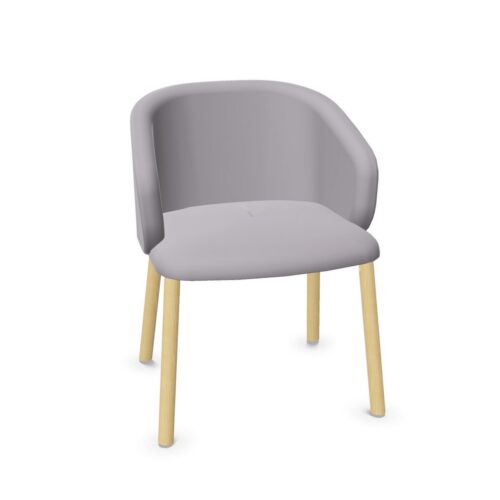
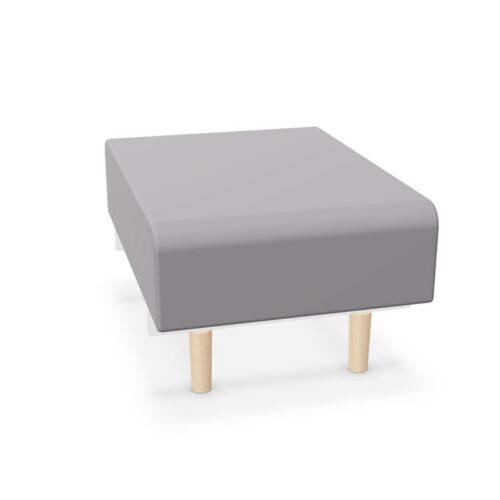
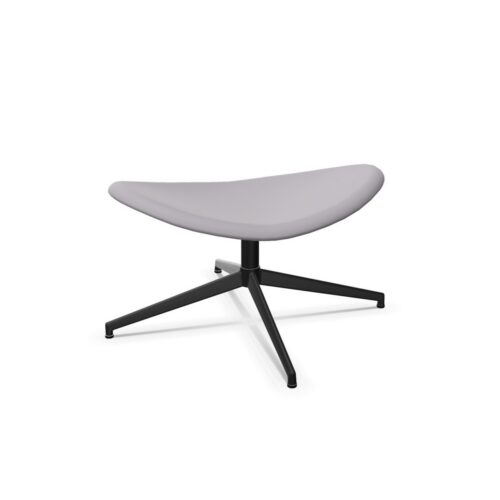
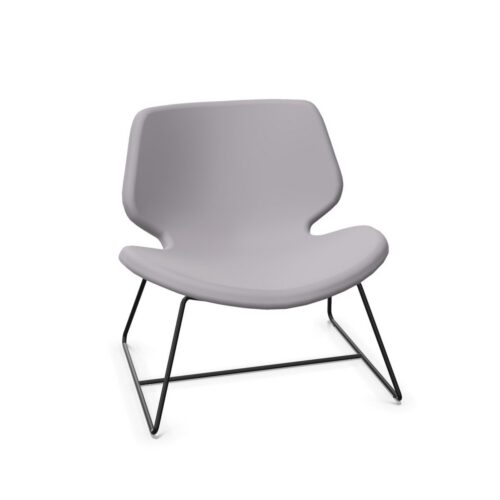
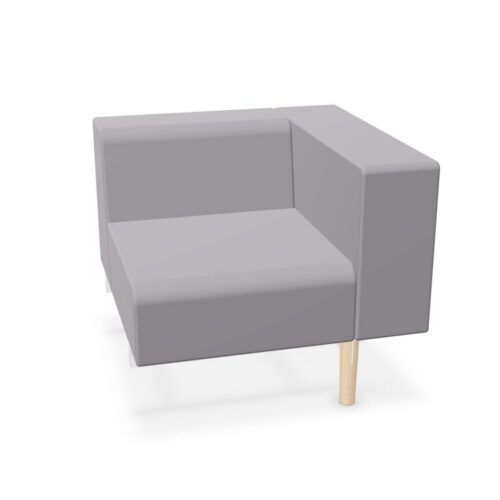
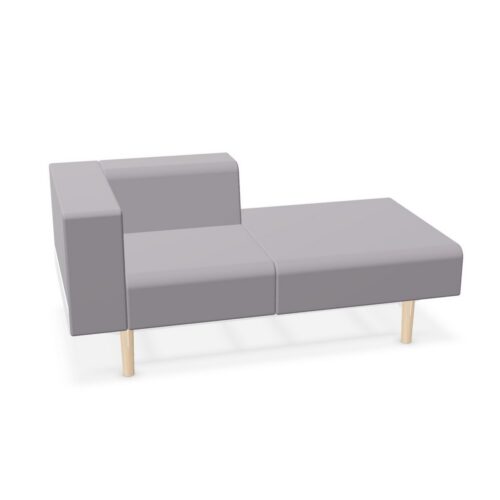

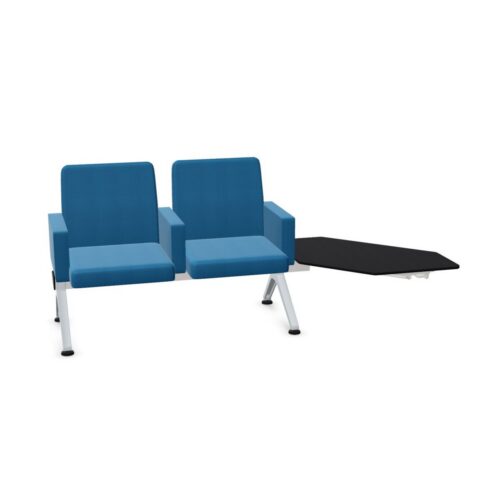
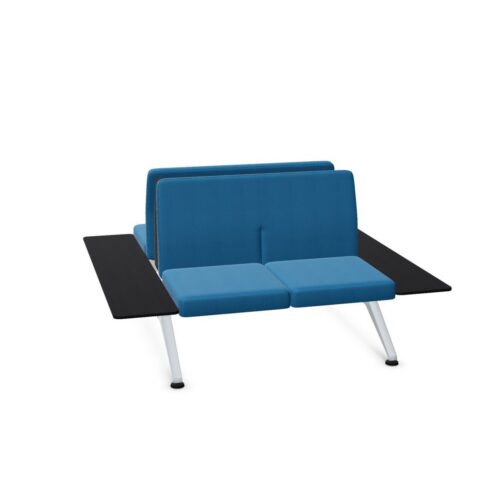
Brown Upholstery, Silver Base Material Lounge Furniture

lounge furniture with silver bases and brown upholstery brings two distinct visual elements into the same seating scheme: brown across the upholstered body and silver at the base. For a reception lounge or shared meeting area, the useful question is how clearly those elements should contrast. A visible silver base can become a repeated detail across the arrangement, while the brown upholstery establishes the larger area of color within each piece.

Begin by reviewing the floor and the main views into the room. The relationship between a silver base and its background may be more noticeable from an entrance than from a seated position. Compare the actual appearance of the base, the specific brown tone and the proportion of upholstery to exposed base. This gives the scheme a clear visual logic before you consider how individual seating forms should be arranged for waiting, conversation or informal meetings.


Assessing lounge furniture with silver bases and brown upholstery

Use contrast as the starting point for the room plan. The brown upholstery and silver base occupy different parts of the silhouette, so their relationship changes with the viewing angle. Look at the seating from the main entrance, across the lounge and from nearby circulation routes. Decide whether the base should be an obvious shared feature or a quieter supporting detail. This decision helps establish how closely different seating pieces need to relate, without requiring every upholstered form to look identical.

Read the Base Against the Floor

A base is always seen in relation to what sits behind and beneath it. Assess the silver appearance against the intended floor rather than considering it in isolation. Check whether the outline remains clear and whether repeated bases create the visual rhythm you want across the group. Silver does not, by itself, specify a particular material or surface treatment. Review the confirmed base details independently, especially where a precise relationship with existing interior elements is important to the overall design brief.

Give Brown a Defined Role

Decide whether brown will be the main lounge color or an accent within a broader room scheme. If it is the main color, compare the upholstery with both the floor and the wall behind the seating. If it is an accent, identify which surrounding colors should remain visually quieter. When planning lounge furniture with silver bases and brown upholstery, this distinction prevents the base and upholstery from competing for attention without a clear purpose. Review the composition as a whole before concentrating on individual details.

Arrange Repetition Around the Visitor Journey

In reception, repeated silver base details can help visually connect separate seating positions. Use that relationship thoughtfully: a group near the entrance and another farther inside the room may need continuity without appearing to form one continuous waiting area. Establish which seats belong together through orientation and spacing, then assess the repeated base detail. Review the brown upholstery from the visitor's approach, checking whether each group has a clear relationship with reception. Keep the main passage understandable through the arrangement rather than relying on color alone.

Frequently Asked Questions

Does silver identify the base material?

The silver designation alone is not enough to establish the underlying material or a specific finish. For lounge furniture with silver bases and brown upholstery, confirm those details separately whenever they matter to coordination with the rest of the interior.

How can I compare the brown and silver contrast?

Assess both elements together against the intended floor and wall colors. Include an entrance view and a closer view from within the lounge. A contrast that seems prominent in isolation may read differently when the full room is visible around it.

Can separate seating groups share this combination?

Yes, a common upholstery color and base appearance can provide a visual connection. Give each group a clear orientation and purpose, then decide whether its shapes should repeat or differ. The shared combination should support the room plan rather than determine it entirely.

Explore related selections