



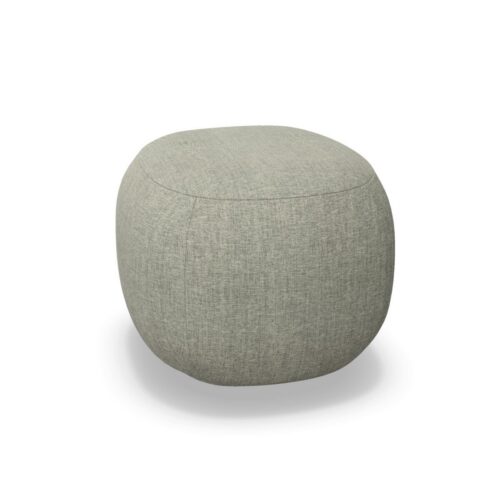


Balancing lounge furniture with wood bases and beige upholstery
Start with the relationship between the two selected attributes. The wood base and beige upholstery may sit close together tonally or create a more visible difference, depending on their actual appearances. Decide which relationship the room needs before comparing individual seating forms. Assess the combination against the intended floor and the main background surface. Include both an entrance view and a closer view from within the lounge, so the decision reflects the full room composition as well as the details of each piece.
Compare Wood Tones Deliberately
Wood is the base material, but it does not establish a particular species, color or finish. Confirm those details separately where they matter to the interior brief. If other wood elements are already present in the room, decide whether the seating bases should closely coordinate with them or create a planned difference. Review the actual appearances together. A clear decision about tonal relationships is more useful than treating every wood element as automatically compatible, especially when the bases and surrounding interior details share the same view.
Keep Beige Connected to the Wider Palette
Assess the upholstery beside the floor, wall and confirmed wood base appearance. Decide whether beige should be the main color of the seating area or a link to the surrounding room scheme. When planning lounge furniture with wood bases and beige upholstery, compare those relationships together instead of resolving the base and upholstery independently. If the room already contains several similar colors, check that the group still has a clear visual identity. Its arrangement and the distinction between upholstery and base can help establish that identity.
