

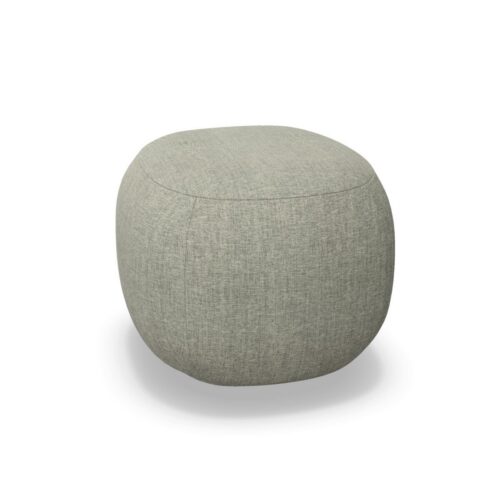
Gray Upholstery With Wood Lounge Bases

lounge furniture with wood bases and grey upholstery brings together a named base material and a versatile upholstery color for workplace seating areas. The useful comparison lies in the relationship between the actual wood appearance and the chosen gray. Neither element should be assessed in isolation: the base may connect with surrounding details, while the upholstery establishes a separate tonal relationship with the room. Wood alone does not specify a species, color or surface treatment.

This pairing can be considered where a reception lounge needs to relate to adjoining spaces without repeating their entire palette. Start by gathering the relevant room colors, then compare the base and upholstery references alongside them. Decide which visual connections matter most and which differences are intentional. A defined approach prevents the wood base from being treated as an automatic match for every other wood element and gives the gray upholstery a clear role in the composition.

5 models
From €34.91 p/m
3 models
From €34.69 p/m
5 models
From €31.41 p/m
2 models
From €47.46 p/m
3 models
From €33.95 p/m
2 models
From €23.96 p/m
4 models
From €55.20 p/m
2 models
From €104.98 p/m
2 models
From €64.77 p/m
Price on request
Price on request

Coordinating lounge furniture with wood bases and grey upholstery

Use the actual base appearance as the starting point for coordination. Wood is a material category, so its name alone cannot establish a visual match with another element in the room. Put the base reference beside the upholstery reference and examine their relationship before introducing the wider palette. For lounge furniture with wood bases and grey upholstery, this creates a precise foundation for the scheme. Decide whether the wood should provide a close connection to nearby details or appear as a distinct element within the seating group, then assess that choice in the intended setting.

Give existing wood elements a clear hierarchy

If the room already includes visible wood elements, identify which ones dominate the view. Compare the proposed base with those first, rather than trying to match every detail equally. A deliberate relationship can involve similarity or a clear difference, depending on the overall composition. What matters is that the decision remains understandable when the pieces are seen together. Review the base from the doorway and from within the lounge, where different elements may become more prominent. Keep the agreed references available so that later decisions do not introduce unintended relationships into the palette.

Use gray to connect adjacent spaces

Consider what the upholstery is being asked to connect. It may need to relate to a reception background, a nearby meeting area or a wider workplace palette. Compare the actual gray against each relevant color, then choose which relationship takes priority. Do not assume a gray that works in one room will appear identical in another setting. Assess the upholstery under the intended lighting and against the background immediately behind it. This makes the color decision specific to the lounge and helps establish how much distinction the seating should have from the adjoining spaces.

Arrange the furniture around visual connections

When positioning lounge furniture with wood bases and grey upholstery, look for viewpoints that reveal the intended relationship between the base and its surroundings. Avoid making that connection depend on a single close-up view. Check the group from the normal approach and consider how people will move around it. The seating should form an understandable area beside the main routes. Review the relevant care guidance for the wood base and upholstery separately, then confirm that the planned routines address both. Material coordination and practical planning are related decisions, but each needs its own evidence.

Frequently Asked Questions

Must the wood base match other wood elements exactly?

An exact visual match is one approach, but a deliberate difference can also form a coherent scheme. Compare the actual references together and decide which relationship supports the room's most prominent elements.

How should the gray tone be evaluated?

Place the upholstery reference beside the wood base and the main background colors. Review the group in the intended lighting, paying attention to whether the upholstery should integrate with the room or remain clearly distinguished.

What does the wood selection establish?

For lounge furniture with wood bases and grey upholstery, it establishes the base material. It does not establish a species, color, surface treatment or care method; confirm those details through the relevant furniture information.

Explore related selections