


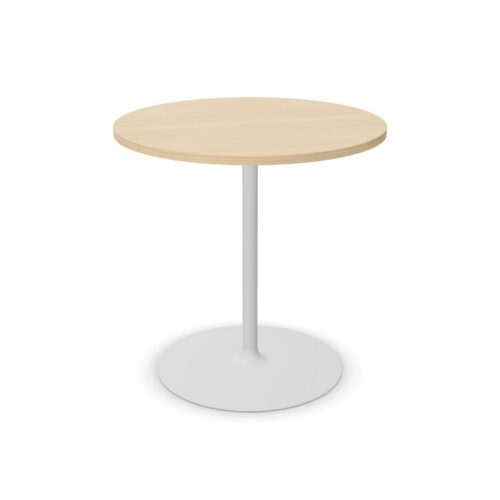
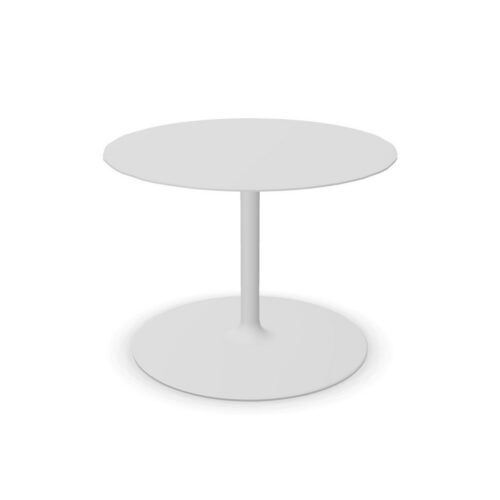


Centering lounge furniture with round tops and pink bases
Establish the center through the seating relationships rather than through the room alone. Draw the positions of the surrounding seats and identify where the shared surface needs to sit. Lounge furniture with round tops and pink bases offers a circular perimeter, but that geometry does not guarantee an equal relationship to every chair. Review each position individually. If one seat sits noticeably apart from the group, consider adjusting the seating before moving the table away from everyone else. The aim is a coherent gathering point within the actual arrangement.
Keep the approach into the group legible
A circle can be approached from different directions, yet the surrounding seats still determine where people enter. Identify the intended opening into the lounge group and keep its relationship to the table clear. Follow the route from reception to a seat, then from that seat toward the next destination. Check nearby furniture throughout the sequence. Avoid treating the absence of tabletop corners as a substitute for circulation planning. The full arrangement establishes whether people can understand the route, and the table should sit within that arrangement with a defined purpose.
Review pink from several directions
For lounge furniture with round tops and pink bases, a single presentation view may give an incomplete impression of the color. Walk around the proposed group and assess how much of the base is visible from the entrance, adjacent seating, and nearby routes. Compare pink with the colors immediately around it, particularly the floor beneath the furniture. Decide whether the base should mark the center of the group or contribute a subtler accent. That decision can guide the surrounding palette without requiring every other piece in the room to repeat pink.
