

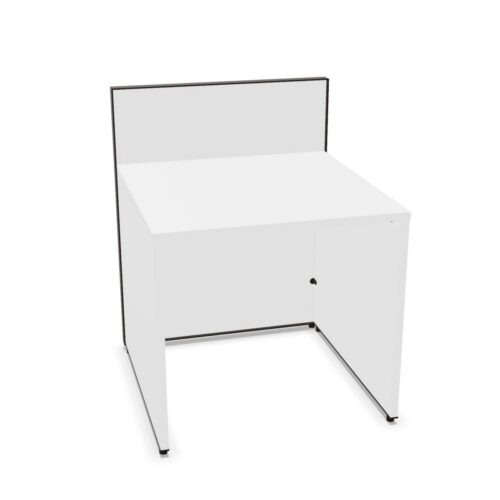
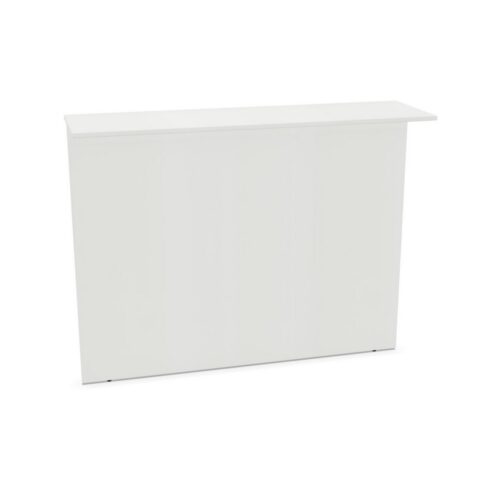
Lounge Furniture With Straight Blade Tops and Beige Surfaces

lounge furniture with straight blade tops and beige surfaces offers a specific combination for lounges organized around clear furniture lines and a considered neutral palette. The straight blade top shape needs a deliberate relationship with the seating direction, while beige should be assessed against the actual colors surrounding the surface. Together, these decisions establish how the table sits within the room composition.

When comparing lounge furniture with straight blade tops and beige surfaces, start with the seating line and the routes beside it. Then review whether the surface is visually distinct enough from the floor and nearby elements. Beige can vary in its relationship to adjacent shades, so a color name alone cannot establish agreement across the palette. Examine the actual appearance under the lighting used in the space, and assess alignment from seated positions as well as from the entrance.

3 models
From €18.78 p/m
10 models
From €6.68 p/m
12 models
From €6.72 p/m
3 models
From €2.58 p/m
2 models
From €12.89 p/m
8 models
From €3.44 p/m
3 models
From €18.57 p/m
41 models
From €50.03 p/m
3 models
From €6.13 p/m
6 models
From €0.86 p/m
7 models
From €6.40 p/m
5 models
From €0.90 p/m

Coordinating Lounge Furniture With Straight Blade Tops and Beige Surfaces

Use the principal seating direction to establish an initial table position. Review how the straight blade outline relates to that line, then assess the arrangement from the entrance and from the seats it is intended to serve. A visually aligned proposal still needs a practical check of access to the surface and movement out of the group. Give particular attention to seats near the ends of the arrangement, where the table may have a different relationship to the user. Keep alignment as a planning reference while allowing the occupied layout to determine the final position within the lounge.

Compare Beige With Neighboring Neutrals

A neutral room can contain noticeable differences between colors that appear similar when viewed separately. Place the actual beige surface appearance alongside the surrounding palette and compare both lightness and undertone. Review it against the floor, seating, and nearby background rather than relying on a single isolated comparison. An exact match is unnecessary, but the relationship should be deliberate. Decide whether the table should visually connect neighboring elements or remain more distinct. Repeat the comparison under the room's usual lighting, particularly where daylight and artificial light create different conditions during the periods when the lounge is occupied.

Make Circulation Clear Through Placement

Where the table follows a seating line, check that it does not also occupy the route people naturally take through the room. Trace the approach to each seat and the path onward to other destinations. A beige surface may relate closely to a light background, so review the tabletop boundary from the direction of movement. With lounge furniture with straight blade tops and beige surfaces, visual contrast and physical placement should be assessed together. Keep the route understandable through the arrangement itself, then confirm that the surface remains distinguishable against the colors immediately around it from the main approaches.

Review the Room as an Occupied Composition

Bring the intended use into the final comparison. Consider where people will place personal items, which seats need direct use of the tabletop, and how someone joins an existing group. Assess the straight blade outline from these positions without assuming that a line aligned to the room works equally well for every user. Then step back to review the complete palette from the entrance. The beige surface should have the same visual intention in the occupied arrangement as in the initial color comparison. Adjust furniture positions and palette relationships together when a change affects how the table appears within the lounge.

Frequently Asked Questions

Does beige need to match other neutral surfaces?

No. Compare the actual colors together and establish a deliberate relationship. Close shades may differ in undertone or lightness, so assess them within the complete room palette.

How should the straight blade top relate to seating?

Begin with the main seating line, then check each occupied position. Confirm that alignment supports access to the surface and allows people to enter and leave the group.

What if the beige surface resembles the floor?

Review the tabletop boundary from the main approaches under normal lighting. Consider placement and surrounding color relationships together so that the table remains distinguishable within the arrangement.

Explore related selections