


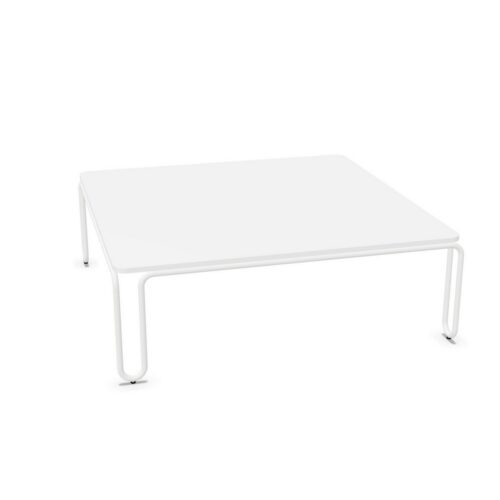


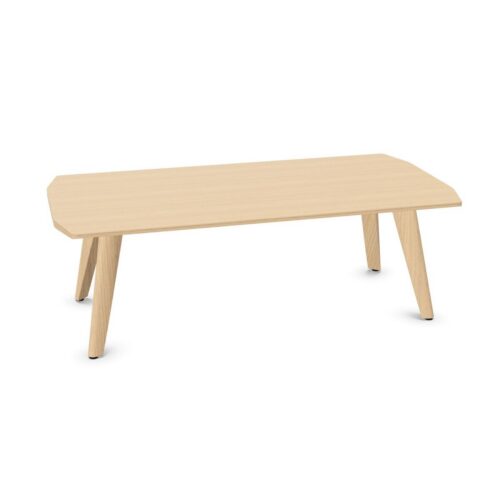








Aligning Lounge Furniture With Rectangular Tops and Beige Surfaces
Use the principal seating line to establish the first table position. Place a long edge in relation to that line, then check the arrangement from the opposite seats and from either end. This reveals whether the rectangle supports the whole group or primarily one side. Alignment can provide a clear visual order, but it should follow the intended use of the lounge. Where different seating groups share a room, establish which group the table belongs to before aligning it with walls or other architectural features.
Account for the Ends and Corners
A rectangular top has end edges and corners that need deliberate placement. Identify where people turn into the seating area and where they stand before sitting. Review those positions with the seats occupied, especially when the table sits near an entrance or a through route. Do not assess circulation solely from a view taken above an empty arrangement. The useful question is whether the planned furniture positions support the actual sequence of arrival, seating, conversation, and departure without requiring repeated adjustments to the room.
Coordinate Beige Across a Structured Layout
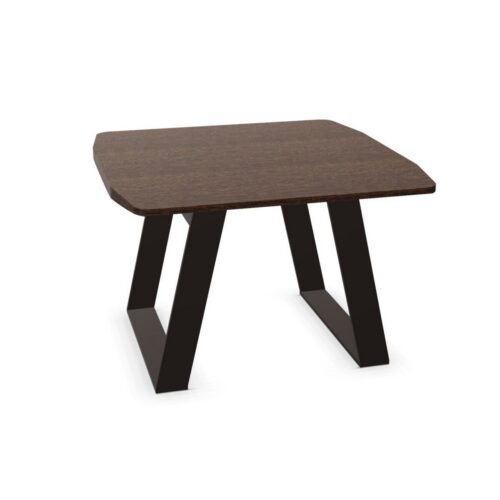
For lounge furniture with rectangular tops and beige surfaces, the color decision can reinforce the relationship between separate seating elements. Compare the beige tone with the colors already repeated across the room. Decide whether the table should continue that repetition or introduce a distinct neutral reference. Look at the full rectangular surface in the room composition rather than judging a color reference in isolation. Beige does not identify a particular material or surface treatment, so keep those characteristics separate from the decision about how the color works with its surroundings.
