

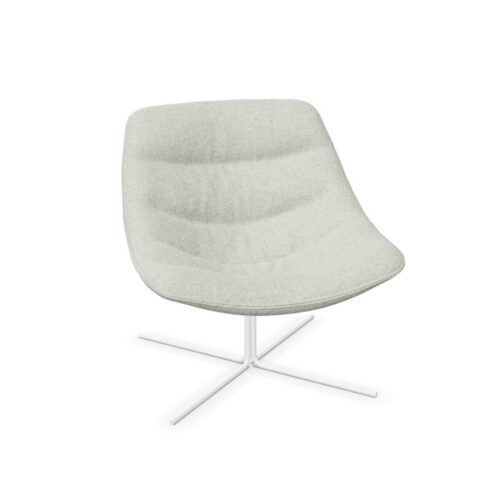
Era Lounge Furniture With Metal Bases

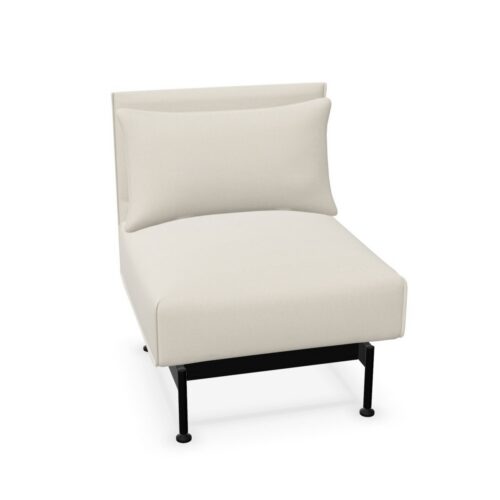
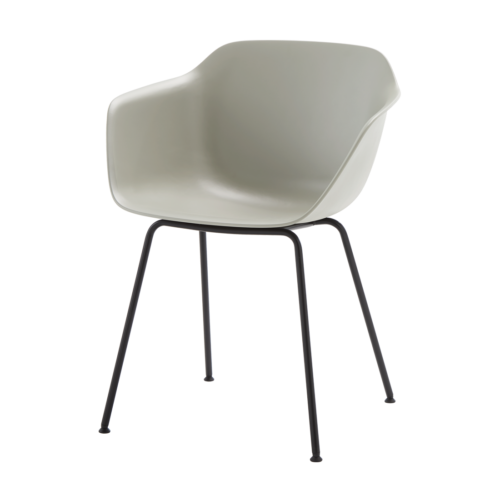
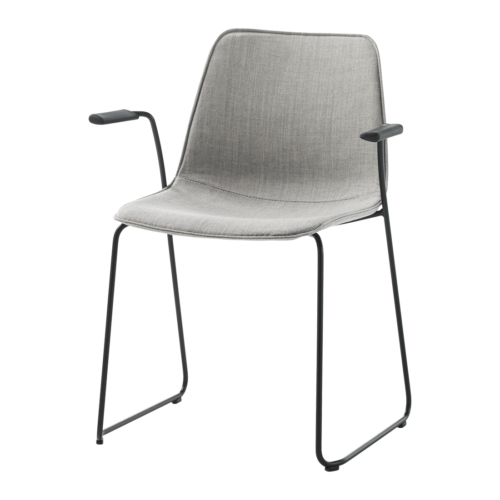
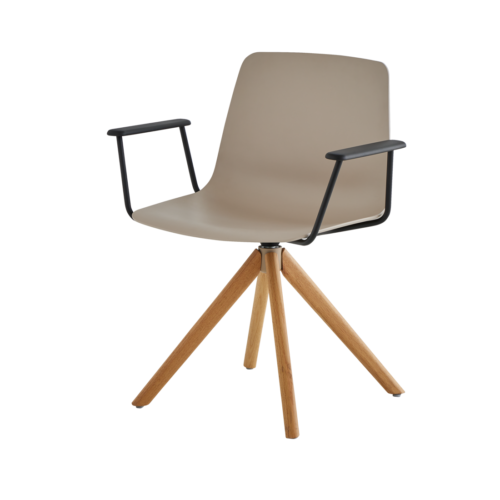
lounge furniture with era upholstery and metal bases brings an upholstered form and a metal base into the planning of an informal project lounge. For a setting beside meeting rooms or a shared project area, assess how the combination establishes a recognizable place for conversation. The Era upholstery contributes to the upper visual composition, while the base appearance influences the outline beneath each piece and the relationship to the floor.

Plan the arrangement around the intended exchange before resolving smaller visual details. Consider how colleagues approach, where they face and which nearby activity remains within view. Then assess the upholstery and metal base as a complete pairing in that arrangement. Neither the Era name nor the metal material establishes a specific color, composition or finish. Base comparisons on the actual appearance and confirmed details of the individual furniture, with particular attention to how separate pieces read together.

5 models
From €64.42 p/m
4 models
From €20.07 p/m
7 models
From €15.76 p/m
3 models
From €22.22 p/m
€25.73 p/m
2 models
From €22.22 p/m
29 models
From €20.36 p/m
10 models
From €32.06 p/m
15 models
From €17.67 p/m
2 models
From €34.01 p/m
17 models
From €4.61 p/m
2 models
From €8.34 p/m
5 models
From €9.98 p/m
5 models
From €19.35 p/m
2 models
From €52.20 p/m
6 models
From €24.52 p/m
2 models
From €9.43 p/m
2 models
From €70.55 p/m
3 models
From €15.11 p/m
2 models
From €23.12 p/m
3 models
From €25.42 p/m
4 models
From €20.93 p/m
4 models
From €22.98 p/m
10 models
From €12.40 p/m
10 models
From €16.79 p/m
4 models
From €19.72 p/m

Grouping lounge furniture with era upholstery and metal bases

An informal project setting needs a clear relationship between the people using it. Establish whether the furniture should face inward for a shared exchange or have a more open orientation toward the surrounding area. This decision affects how the upholstered forms and metal bases appear together. Look at the gaps between pieces and the direction of their outlines. A collection of related furniture can still appear fragmented when its orientations are unresolved. Review the setting from the approach route and from within the group so that the arrangement supports the same spatial intention from both perspectives.

Distinguish the lounge from adjacent activity

Locate the group where its boundaries remain understandable beside meeting rooms or project spaces. Avoid placing the main approach through the center of the arrangement. Consider what people see when they leave a nearby room and whether the lounge immediately reads as a separate destination. The Era upholstery and metal bases should be reviewed against those backgrounds, including views where the bases are more exposed. This is a visual and spatial assessment; the upholstery and base descriptions do not establish privacy or acoustic characteristics. Keep the arrangement grounded in the room's actual layout and intended everyday use.

Assess the complete color relationship

When reviewing lounge furniture with era upholstery and metal bases, compare the actual upholstery appearance with the selected base finish and the surrounding interior. Metal does not identify a particular color or surface treatment. Establish whether the base should provide a noticeable distinction beneath the upper form or connect more closely with other details in the room. Include the floor in this assessment, since it is the immediate background to the base. Keep the chosen relationship clear enough that other visual decisions can follow it without requiring every element in the project lounge to match.

Make comparisons consistent across the team

Use the same room views and furniture references when gathering comments from colleagues. Include a view showing the whole arrangement and another that clearly reveals the relationship between upholstery and base. Ask reviewers to consider orientation, visual grouping and the approach into the lounge as connected decisions. Record which elements establish the group's identity and which relate it to the surrounding project area. This creates a practical basis for resolving differing preferences. It also helps distinguish an objection to the furniture's appearance from a concern about its position or the way the pieces have been arranged together.

Frequently Asked Questions

What should be reviewed first in a project lounge?

Start with the furniture orientation and the intended conversation. For lounge furniture with era upholstery and metal bases, establish how the group sits together before refining the relationship between upholstery, base appearance and the surrounding interior palette.

Does Era upholstery establish acoustic characteristics?

The upholstery name alone does not establish acoustic characteristics. Assess the room's requirements separately and confirm relevant information for the individual furniture. Keep visual decisions about upholstery and bases distinct from unverified assumptions about the setting's performance.

How can separate pieces read as a group?

Use deliberate orientation, consistent relationships between pieces and a clear visual connection. Assess the complete outlines, including the metal bases. Shared appearance helps, but the arrangement also needs to make the relationship between the pieces understandable.

Explore related selections