

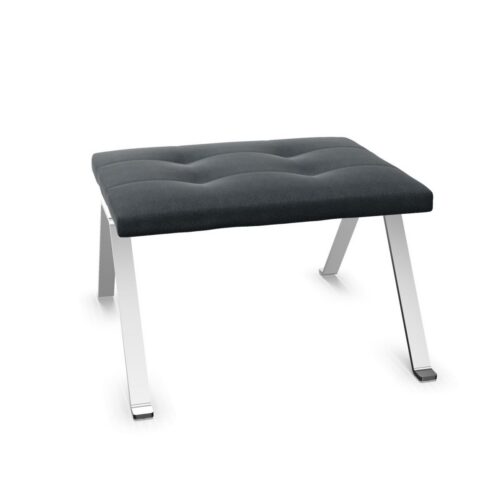
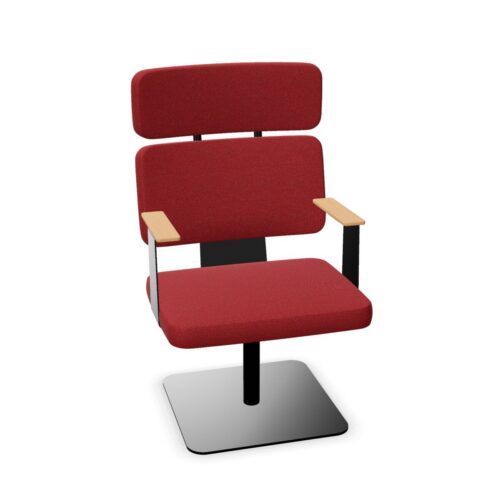
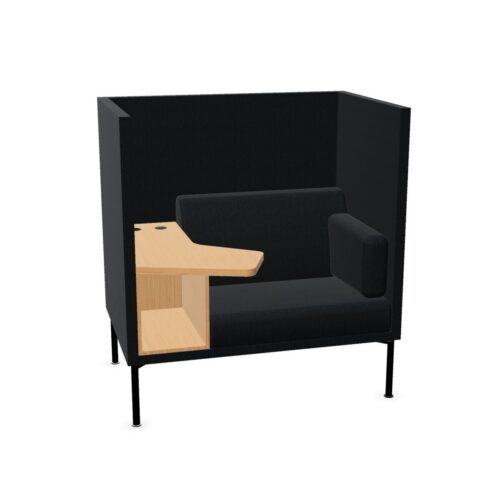
Leather Lounge Furniture With Metal Bases

lounge furniture with leather upholstery and metal bases brings two distinct material elements into a reception or workplace lounge. The leather defines the upholstered part of the seating, while the metal base contributes to its outline and relationship with the floor. Compare these elements together, paying attention to the amount of visible base and the way its lines support the overall composition. Neither material name establishes a particular color, surface appearance, or construction.

For lounge furniture with leather upholstery and metal bases, start with the character and purpose of the visitor area. Consider whether the seating should face an arrival point, form a conversation group, or occupy a quieter part of a shared space. Then review the leather and metal appearances against the surrounding interior. This connects the material decision with a clear spatial role instead of treating the pairing as a purely decorative choice.

4 models
From €17.24 p/m
4 models
From €17.07 p/m
2 models
From €52.93 p/m
2 models
From €34.03 p/m
€23.58 p/m
3 models
From €98.55 p/m
3 models
From €23.86 p/m
2 models
From €31.28 p/m
3 models
From €15.95 p/m
3 models
From €13.30 p/m
€13.82 p/m
€13.30 p/m
3 models
From €14.35 p/m
2 models
From €26.69 p/m
2 models
From €27.59 p/m
2 models
From €83.36 p/m

Planning lounge furniture with leather upholstery and metal bases

Visitor seating should have an understandable relationship with arrival. Identify where people first see the lounge and where they are likely to pause before choosing a seat. Orient the group so that access is clear without making the seating area part of a through route. Review the leather upholstery and metal bases from that first viewpoint. Their relative visibility helps shape the initial impression of the group. A composition that looks balanced from the front may appear different from the entrance, particularly where the base is more exposed from the side.

Compare the Two Material Appearances

Assess the leather and metal as a pairing rather than making each decision independently. Look at their colors, surface appearances, and relationship to the overall seating form. These details need individual confirmation; leather does not establish a particular grade or finish, and metal does not identify a particular metal type or treatment. Decide whether the materials should create a distinct contrast or a quieter relationship. Review the proposed pairing alongside the room's existing visual elements, then consider how that relationship changes when the same combination is repeated across a larger group.

Organize Waiting and Conversation

Waiting and conversation can place different demands on the arrangement. Visitors arriving independently may need an obvious place to sit without entering another group's discussion. Colleagues meeting together need a composition that makes their shared setting clear. Establish which activity takes priority, or define separate areas where both are needed. Compare seating orientations before refining the material coordination. Keep routes around the group apparent and check access from each likely approach. The furniture pairing can connect the areas visually, while the layout explains how each area is intended to be used.

Build a Useful Comparison Brief

When assessing lounge furniture with leather upholstery and metal bases, record the intended use, the visual relationship between materials, and the required direction of the seating. Use these points to compare complete compositions. Ask for the specific care information relevant to the leather upholstery and metal bases being considered, then review it against the workplace's established routines. Avoid assuming shared care requirements from the broad material descriptions. Bring the spatial and appearance decisions together before finalizing the group, so that a strong individual detail does not outweigh the needs of the whole reception area.

Frequently Asked Questions

Does leather upholstery mean a particular surface finish?

No. The material description does not establish its finish, grade, or color. Review those details for the specific seating being considered and compare the actual appearance with the metal base and surrounding room.

Should metal bases match every nearby metal detail?

An exact match is optional. Decide which relationships matter most in the room, then compare actual appearances. A deliberate difference can be appropriate when it supports a clear and coherent overall composition.

What should a reception team review in the layout?

Check how visitors approach, recognize the waiting area, and reach a seat. Also review the routes used by staff so that regular movement does not pass directly through an occupied seating group.

Explore related selections