

Lounge Furniture With Plastic Upholstery and Black Upholstery

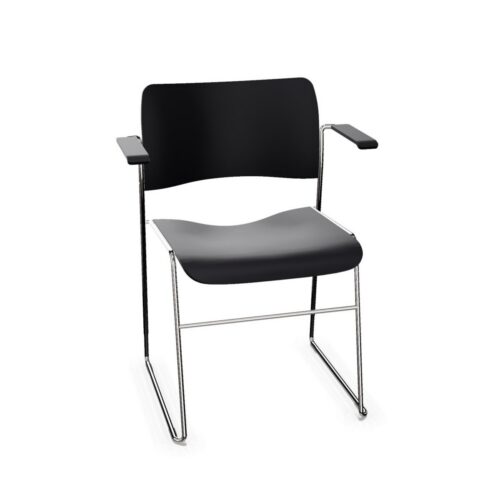
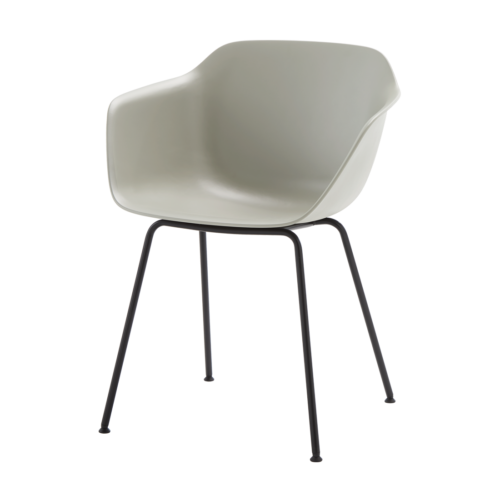
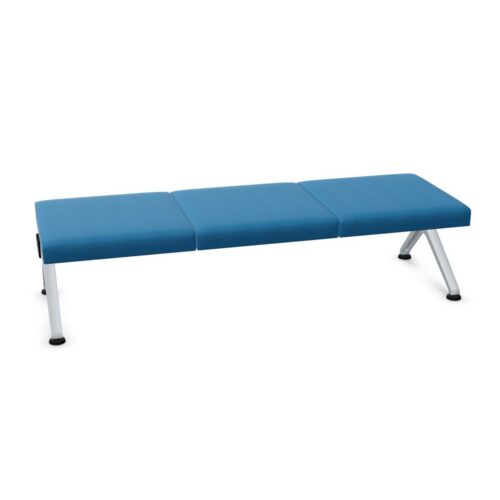
lounge furniture with plastic upholstery and black upholstery places material placement and silhouette at the center of the planning process. For an informal workplace lounge or shared arrival area, compare where plastic is visible and how black contributes to the furniture’s overall outline. The combination does not establish a particular surface finish, construction method or seating experience. Those details need their own assessment before the furniture becomes part of a room plan.

Consider the furniture from the routes people actually use. Black forms may become prominent against a lighter background, while a darker setting can make their edges less distinct. Examine the relationship between adjacent seats, surrounding interior features and the open areas needed for movement. This gives the material and color a practical context. It also keeps the comparison focused on the proposed lounge rather than assumptions that plastic automatically means a particular weight, maintenance routine or application.

Price on request
2 models
From €12.20 p/m
14 models
From €8.26 p/m
12 models
From €6.09 p/m
5 models
From €5.06 p/m
17 models
From €4.61 p/m
6 models
From €49.16 p/m
40 models
From €5.39 p/m
3 models
From €6.87 p/m
17 models
From €9.51 p/m
43 models
From €22.39 p/m
79 models
From €31.57 p/m
2 models
From €33.03 p/m
4 models
From €5.64 p/m
3 models
From €28.87 p/m
9 models
From €5.30 p/m
€9.65 p/m
15 models
From €6.15 p/m
4 models
From €7.77 p/m
22 models
From €4.90 p/m
6 models
From €4.88 p/m
12 models
From €7.24 p/m
7 models
From €6.95 p/m
2 models
From €3.26 p/m

Comparing lounge furniture with plastic upholstery and black upholstery

Begin by locating the plastic elements and the black areas on the furniture. Their relationship should be clear before other interior decisions depend on it. Examine the seat, back and other visible parts individually where relevant, without assuming they share the same composition. The overall shape is equally important: compare how it reads from the approach, from neighboring seats and from the opposite side of the room. A material and color combination becomes useful to a project when its actual visual contribution is understood across these different viewpoints.

Choose a clear arrangement for shared spaces

In a lounge used by several teams, make the intended seating area easy to understand. Position the furniture so people can identify where to approach and where a conversation takes place. Compare a group directed toward a shared center with an arrangement that faces outward into the room. Consider whether people arriving alone should join the main group or have a separate place within the same setting. Check these decisions against nearby doors and regular walking routes. The black color can connect the composition visually, while orientation establishes how the group works spatially.

Review surfaces without assigning properties

When assessing lounge furniture with plastic upholstery and black upholstery, distinguish visible appearance from material performance. Plastic does not establish whether a surface is glossy, matte, textured or smooth. Nor does it establish a care method or suitability for a particular environment. Confirm any detail that matters to the project rather than filling gaps with familiar expectations. If the room has strong lighting or large areas of contrast, inspect how the confirmed surface treatment appears there. Keep those observations specific to the furniture being considered and the intended setting.

Connect the black forms to the interior

Decide where black should repeat and where the room needs visual separation. Repetition can connect seating to existing interior details, but extensive dark areas may change the balance of the space. Review the lounge from neighboring work areas, particularly when furniture sits away from a wall. Compare the gaps between pieces as carefully as the pieces themselves. Those open areas influence the composition and the routes around it. Record the intended orientation so that later layout decisions preserve the relationship between the seating group, its background and the main approaches.

Frequently asked questions

Does plastic imply that furniture is easy to move?

No. Material alone does not establish furniture weight or how it should be handled. If movement is part of the room brief, confirm the relevant requirements separately before planning changes to the arrangement.

Can this combination be specified for an outdoor lounge?

The selected material and color do not establish outdoor suitability. Assess the requirements of the proposed setting and confirm suitability directly. Do not infer it from the presence of plastic or from the black appearance.

How should similar black pieces be compared?

For lounge furniture with plastic upholstery and black upholstery, compare confirmed material placement, silhouette and surface appearance. Then review each proposed arrangement against access routes and the way people are expected to gather in the lounge.

Explore related selections