

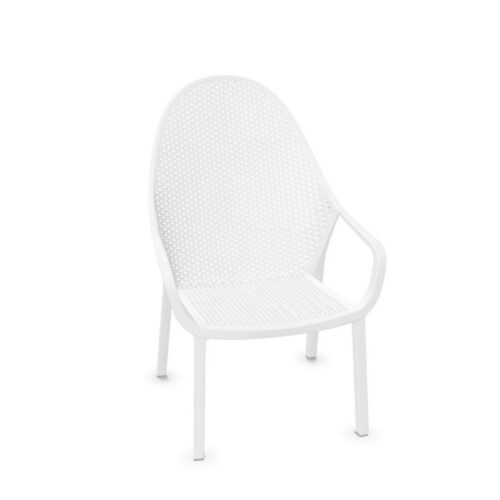
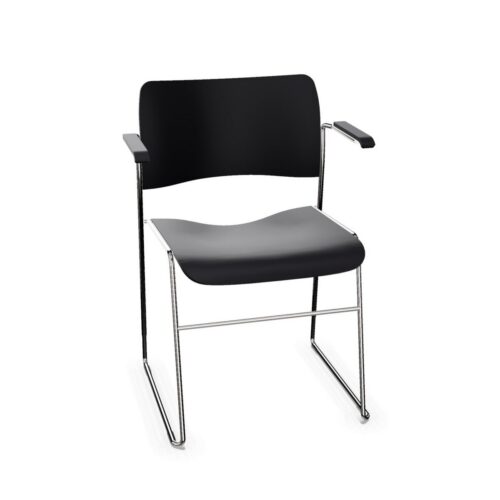
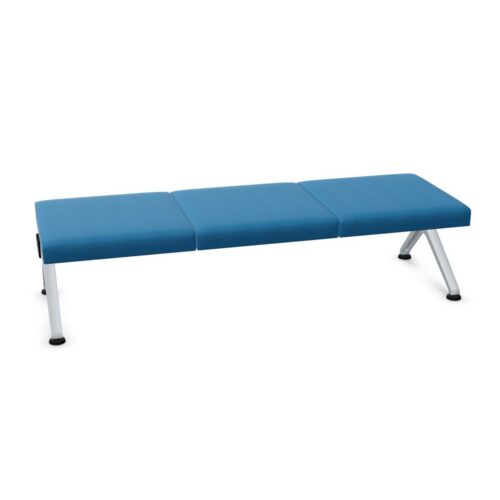
Plastic Upholstery for Sofas

plastic upholstery for sofas calls for a close look at how the specified surface relates to the complete piece and its setting. For reception seating and shared workplace lounges, begin with the visible treatment, the areas where plastic appears, and the sofa’s position in the room. These details provide a more useful starting point than broad expectations attached to the material name.

Assess the proposal from both standing and seated viewpoints. A sofa beside the entrance will be encountered differently from one within an enclosed conversation area, so its orientation deserves early attention. Compare the actual finish under the intended lighting, then review the seating arrangement around it. Keep appearance, care requirements, and the experience of sitting on the complete sofa as separate questions. This produces a clearer brief and helps the team resolve practical details without attributing unverified qualities to plastic.

2 models
From €12.20 p/m
2 models
From €8.26 p/m
4 models
From €50.73 p/m
10 models
From €17.02 p/m
3 models
From €6.87 p/m
17 models
From €9.51 p/m
43 models
From €22.39 p/m
79 models
From €31.57 p/m
2 models
From €33.03 p/m
3 models
From €5.00 p/m
4 models
From €5.64 p/m
6 models
From €7.24 p/m
10 models
From €4.67 p/m
2 models
From €3.26 p/m

Assessing plastic upholstery for sofas in Context

Place the proposed sofa within a room plan before judging its appearance. Identify the entrance view, the route past the seating, and the background against which the piece will be seen. The same visible surface can play a different visual role depending on its location and the surrounding interior.

With plastic upholstery for sofas, review the actual surface treatment rather than imagining a standard appearance. Examine an agreed sample or the complete piece where possible. Record the finish as observed, including any differences between photographs and the physical reference, so the brief rests on something the team has reviewed.

Separate Surface Choice From Seating Layout

A material preference does not determine how a lounge should be arranged. Establish whether the seating supports waiting, conversation, or a pause between activities. Then position the sofa in relation to the relevant destination, neighboring seats, and circulation route. This sequence gives the furniture a clear place in the room.

Evaluate plastic upholstery for sofas within that arrangement. Check how people enter the seating area, where they direct their attention, and how they leave without crossing another conversation. Review surrounding furniture at the same time, keeping the sofa’s material description separate from decisions about its configuration.

Resolve Contact Areas and Care Questions

Ask which surfaces are intended for direct contact during normal seating and which are primarily visible from outside the arrangement. Review the transitions between those areas on the actual proposal. Surface placement should be explicit, particularly where drawings or images leave parts of the sofa unclear.

For plastic upholstery for sofas, establish the applicable care instructions from the complete specification. Do not infer a cleaning method or maintenance outcome from the material alone. Share the confirmed guidance with the team responsible for the space and resolve any conflict with existing routines before approving the finish.

Use a Consistent Visual Reference

When several people assess a proposal, an agreed reference helps prevent different expectations. Use the same physical sample and photographs throughout the discussion. Note where the sample was reviewed and which room finishes were placed beside it. These simple records make later decisions easier to explain.

Keep the brief for plastic upholstery for sofas focused on confirmed observations: where the material appears, the approved surface appearance, and the intended room arrangement. Any additional requirement should be stated independently and checked against the proposed sofa. This avoids allowing a material label to stand in for a complete seating specification.

Frequently Asked Questions

Can the material name establish the surface appearance?

No single appearance should be assumed. Review the proposed finish directly and record the agreed reference. Photographs can help communicate the decision, but the project team should understand which physical surface those photographs represent before using them for approval.

How should plastic seating relate to the entrance?

Consider what visitors see first and where they need to go next. Orient the sofa so the seating area is understandable within that route. Then assess the visible surface against its actual background, including views from nearby occupied seats.

What should be confirmed before agreeing on care?

Confirm the instructions applicable to the specified surface and complete sofa. Discuss the intended routine with whoever manages the lounge. Any proposed method needs its own verification; the word plastic does not establish which treatment is appropriate.

Explore related selections