Pink office furniture includes acoustic screens and dividers, storage and seating elements. In this general color category, pink may belong to a fabric cover, a padded seat component or a cabinet finish. A product’s color label does not tell the whole material story. Identify which part is pink, how large it will appear in the room and what practical role the product plays. Then build a scheme that supports the activity.
Use acoustic pieces as room boundaries
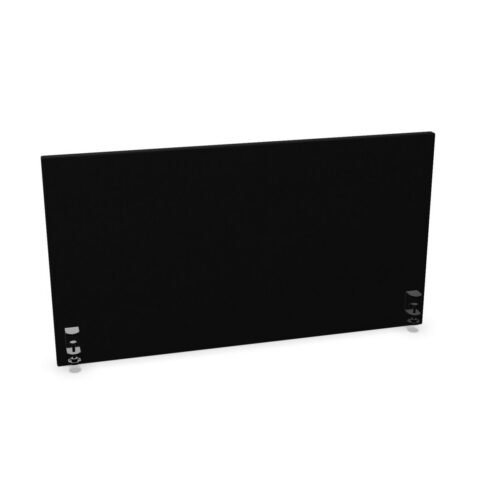
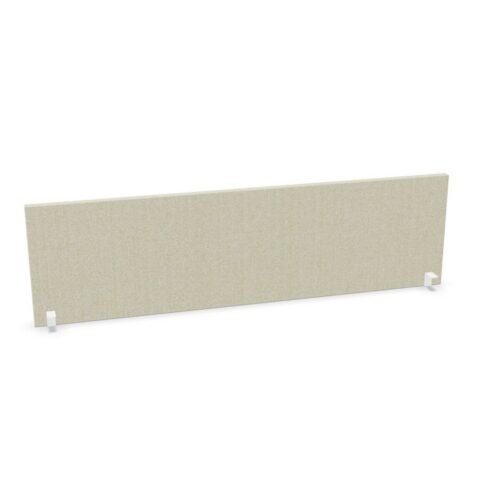
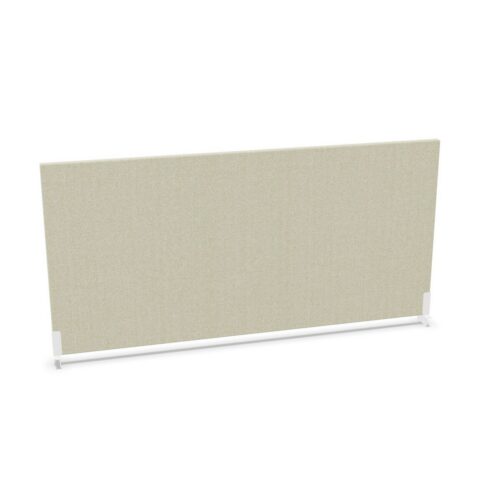
Desk screens can make individual work positions more legible, while freestanding dividers can shape a larger conversation or focus area. A pink fabric panel may read softly against a neutral desk, yet its height and placement still determine whether it is useful. Check sight lines from seated positions. Leave a path around any floor-standing element and consider whether it blocks light.
Pink office furniture in acoustic categories should be assessed through product specifications when sound control is expected. A desk screen and a wall panel have different relationships to the room. Select the type that addresses the location of the distraction. Color can help connect them visually, but it does not replace performance information.
Consider upholstered components carefully
A padded seat component in pink may be used with a storage pedestal or another base. Check the complete product assembly and the task it supports. A casual perch can make a shared work area more flexible, but it needs enough room around it and a suitable height relationship to nearby surfaces. Avoid treating the colored pad as if it describes the entire furniture piece.
Pink office furniture can also include lounge seating and chairs. Determine whether the pink is upholstery, a shell or frame finish. Use seating according to posture and duration: a conference chair belongs beside a working table, while a pouf may support a short informal exchange. The color choice follows that functional fit.
Place storage where it is needed
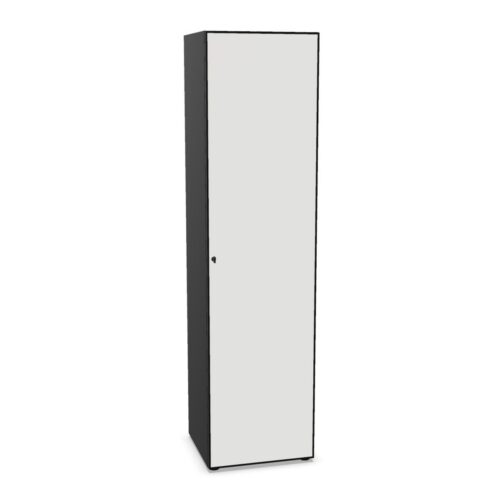
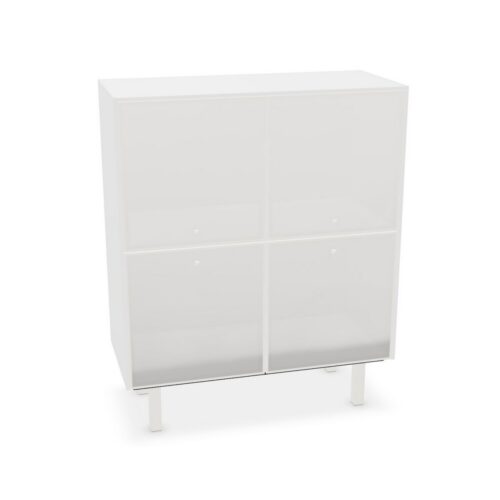
Cabinets in a pink finish can mark a shared resource point or create a strong backdrop. Put them near the people and materials they serve. Draw doors and drawers open, and check the space for someone to stand in front. A color-led storage plan that blocks a route will be frustrating to use.
Pink office furniture in storage categories may have a different sheen and texture from upholstered panels. Compare samples in the actual room light. If the finishes are adjacent, decide whether they should match closely or contrast clearly. A deliberate difference can look more composed than two near-matching surfaces.
Control the amount of visible color
Pink can appear on large acoustic surfaces or as a small accent. Decide which area deserves emphasis. A single divider may identify a quiet zone, while repeated pink pieces across a floor can form a wayfinding thread. Look at the whole plan rather than one product at a time. Large surfaces have a stronger effect than small samples suggest.
Pink office furniture can be balanced with neutral desks, storage or walls without losing its presence. Review the color at different times of day. Fabric and laminate can shift differently under warm and cool artificial light. Record the actual finishes selected so future additions do not rely only on a broad color name.
Check the occupied layout
Show chairs pulled out, screens in place and cabinets open. Make sure the colored pieces still leave clear circulation and usable work surfaces. Consider cleaning and maintenance for fabric panels, padded seats and storage fronts. The right color placement should make the space more legible without making daily tasks harder.
Pink office furniture is most effective when each piece has a defined job. Choose the screen for the boundary, the cabinet for its contents and the seat for its posture. Then refine how their actual pink components relate in the room. Function and finish should work together. When the room changes purpose, revisit the position of movable screens and seats before adding more color.






Bralco