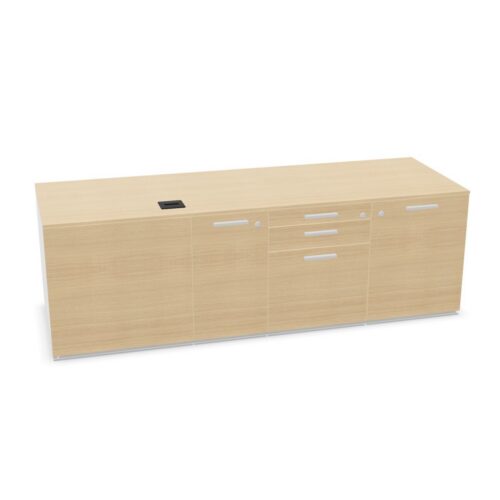
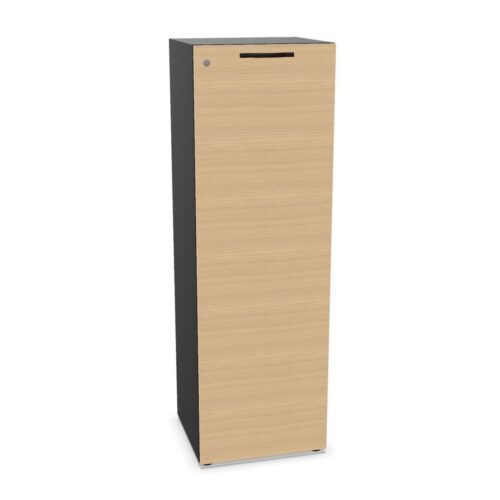
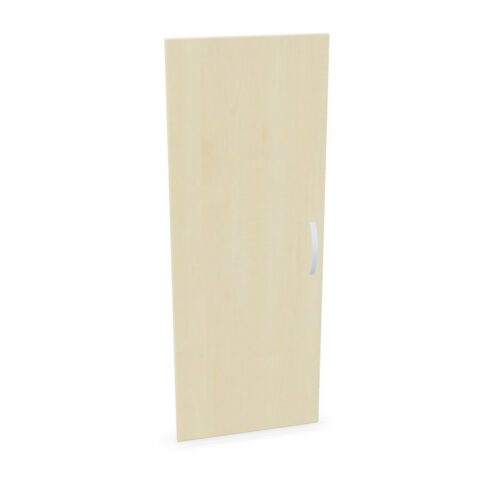
Office cabinets with plastic doors bring attention to the material of the front and its supporting components. This is a separate choice from the cabinet body’s construction and the way its interior is organized. The selection includes rolling-door and other storage formats, so begin by reviewing the actual product configuration. Consider how the front opens, what the cabinet holds and where people use it within the office.
Review the front and the whole cabinet
Check which door or front components use plastic in the selected product. The relevant material information may sit alongside a different body, frame or internal structure. Keep those details separate in the comparison so that a front-material choice is not mistaken for a description of the entire cabinet.
Office cabinets with plastic doors can differ in their opening arrangement and the other materials supplied. Review the exact configuration and any related product information. A shared material designation should lead to a more specific assessment of how the cabinet is built and used.
Consider rolling-door arrangements
Rolling or tambour-style fronts are represented in the storage selection. Where that format is being considered, look at how the front moves and how access to the interior changes as it opens. Review the operation of the actual cabinet rather than assuming every rolling-door design uses an identical arrangement.
Think about the person using the storage. Consider their approach, the position of the gripping points and the space in front of the cabinet. Include neighboring desks, chairs and circulation routes so that the opening format is assessed within an occupied furniture layout.
Match the interior to its contents
When comparing office cabinets with plastic doors, review the shelves, drawers or other interior provision supplied with the model. Files, shared supplies and other resources can have different storage requirements. Identify the actual contents and assess how they will be placed, retrieved and returned.
Where shelves can be repositioned or internal fittings are optional, check those details in the chosen configuration. Keep the complete storage arrangement clear, especially when related cabinet versions have a similar exterior. The front material does not establish which interior is included. Check whether a matching finishing panel or top belongs to the intended cabinet arrangement before completing the component schedule.
Place storage around its users
A unit serving one workstation should relate to the user’s everyday routine. Review the route from the chair and the way the cabinet is opened in that position. Frequently used material needs a practical place without the storage repeatedly interrupting the main working surface.
Office cabinets with plastic doors can also form part of shared storage areas. Consider who approaches the unit and how the access affects surrounding activities. Give shared contents a clear organization so that several people can use the cabinet without depending on one person’s knowledge of its interior.
Compare visible finish and relevant care
Review the actual front color, texture and finish in relation to the body and nearby furniture. A storage scheme can connect cabinets, desks and other pieces through a repeated visible detail while allowing each unit to retain the interior required by its task.
Check the relevant care guidance for the selected front, body and opening mechanism. Use the manufacturer’s information for the actual materials and components. A broad plastic label does not establish identical surface treatment or maintenance requirements across every cabinet configuration.
Confirm the functions required in the office
Establish whether the project needs a lock, a particular installation arrangement or other specified feature. Confirm those functions on the chosen product and keep the supporting information with the furniture schedule. The material of the front is one detail within that wider storage specification.
Choose office cabinets with plastic doors through a complete comparison of front construction, door movement, interior and access. Review the actual unit beside its surrounding furniture, then refine the visible finish. This gives the front-material choice a clear purpose within a practical workplace storage arrangement.



Archiutti